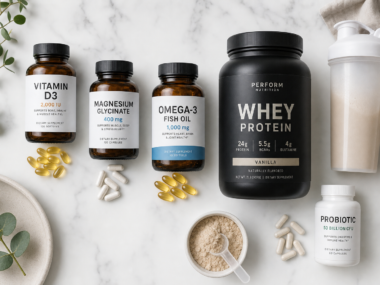
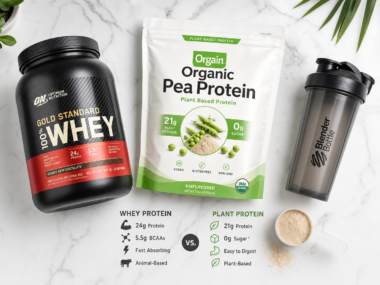
A complete protein supplements guide — whey vs casein vs plant protein, how much you need, when to take it, and how to choose the best product for your goals.
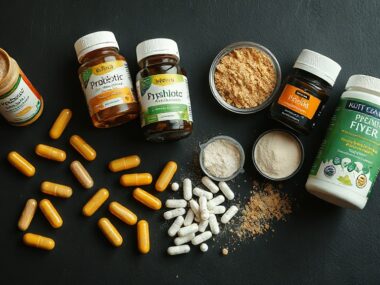
A complete evidence-based guide to supplements — what they are, who needs them, how to choose quality products, key safety considerations, and the most important supplements by category.
Discover how sleep affects your energy, mood, weight, immunity, and long-term health, plus practical tips to improve your sleep routine and sleep quality.
Build better sleep with these essential sleep hygiene habits — consistent timing, bedroom setup, wind-down routines, and the daily behaviours that make or break sleep quality.
Learn how to lose weight fast the safe way with practical food, exercise, sleep, and habit strategies. Discover what actually works and how to get real results without crashing your health.
Learn how to protect your heart, improve cardiovascular health, and reduce your risk of heart disease with practical diet, exercise, and lifestyle steps.
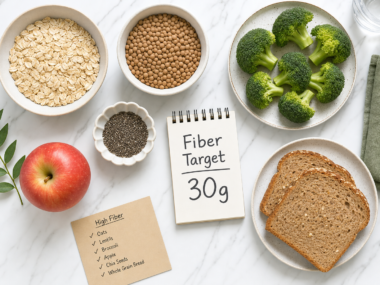
Discover how dietary fiber shapes your gut microbiome — feeding beneficial bacteria, producing butyrate, increasing diversity, and protecting against chronic disease.
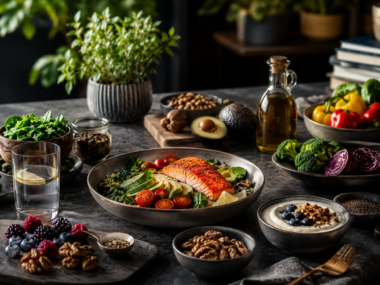
Discover what nutrition scientists and health experts actually eat — the consistent dietary patterns that emerge from a career of studying the evidence on food and health.
Learn how digestive enzymes work, what happens when they’re insufficient, and which enzyme supplements actually have evidence — from lactase and alpha-galactosidase to pancreatic enzymes.
Ashwagandha has solid evidence for stress and cortisol reduction, reasonable evidence for sleep, and limited evidence for testosterone. Here’s the honest breakdown — including dose, timing, and who it’s not for.
Know the early warning signs of type 2 diabetes — from increased thirst and fatigue to blurry vision and slow-healing wounds — and when to get tested before it’s too late.
Understand telomeres and longevity — what shortens them, what protects them, and the lifestyle habits with the strongest evidence for maintaining telomere health and slowing biological aging.
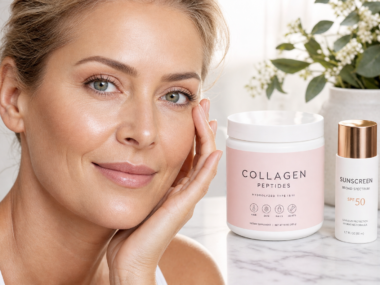
Daily sunscreen, retinoids, and vitamin C have the strongest evidence for skin aging. Collagen supplements are more complicated. Here’s what actually works and what doesn’t.
Creatine is one of the most researched supplements in existence. The strength and performance evidence is definitive. The brain and aging evidence is promising but less certain. Here’s the full picture.
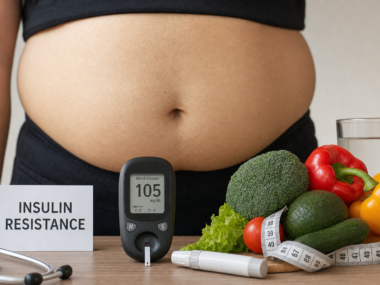
Understand what insulin resistance is, what causes it, and the most effective science-backed strategies to reverse it naturally through diet, exercise, sleep, and lifestyle change.
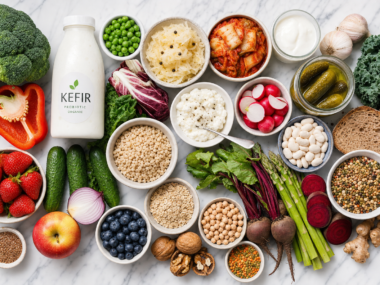
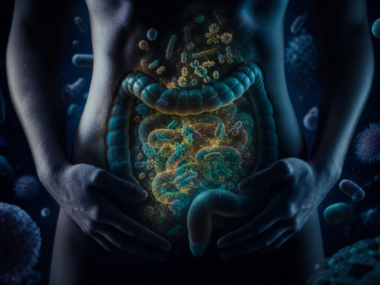
Learn how to improve gut health naturally with evidence-based food, lifestyle, and supplement strategies. Explore digestion, microbiome balance, bloating relief, gut barrier support, and daily habits that actually work.
A practical fitness guide covering workouts, weekly activity targets, nutrition basics, recovery, and how to build a routine you can actually stick to long term.
Some foods reliably cause bloating for most people. Others only affect certain individuals. Here’s what causes it, which foods are the biggest culprits, and what actually helps.
The complete guide to healthy aging — the seven pillars of aging well, from nutrition and movement to sleep, stress, brain health, and social connection.
Everything you need to know about blood sugar — what it is, what healthy glucose levels look like, how your body regulates it, and the best habits to keep it stable for life.
Mitochondria are the hidden engines of aging. When they falter, fatigue and disease accelerate. Learn how to boost your cellular powerhouses for energy and longevity.
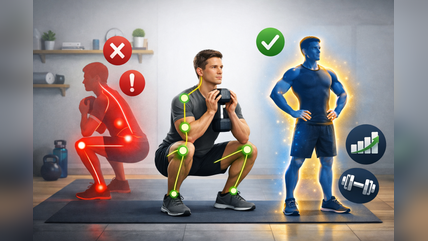
Never lifted weights before? This guide makes beginner strength training simple. Learn proper form, get proven workout plans, and discover how to progress safely—no gym confusion required.
Yes — probiotics increase bowel movement frequency, particularly for constipation. Here’s exactly how they work, what to expect in the first weeks, and the best strains.
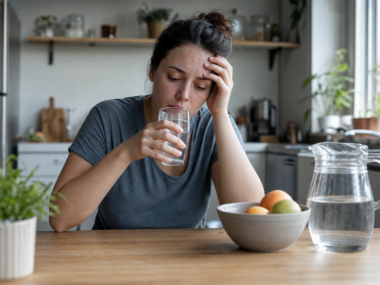
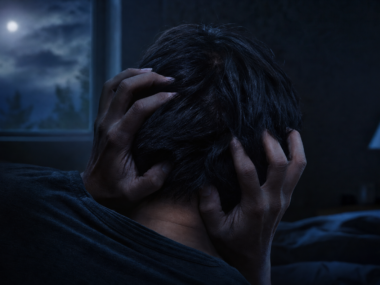
Yes — sleep deprivation causes headaches through serotonin disruption, cortisol, adenosine buildup, and a lowered pain threshold. Here’s how to treat them.
 Sarah Mitchell