 Sarah Mitchell
You started taking probiotics and your bathroom schedule changed. Maybe you’re going more often. Maybe things are moving faster. Or — if you were constipated — you’re finally going at all. Is this the probiotics? And is it normal?
Short answer: yes — probiotics can make you poop, and for many people that’s exactly what they’re designed to do.
Can Probiotics Make You Poop?
Yes — probiotics directly and indirectly influence bowel movement frequency, consistency, and ease. The strongest evidence is for constipation: a 2019 meta-analysis of 14 randomised controlled trials found that probiotic supplementation significantly increased stool frequency by an average of 1.3 bowel movements per week and reduced whole gut transit time. The strains with the most evidence include Lactobacillus rhamnosus, Bifidobacterium lactis, and Lactobacillus casei.
How Probiotics Affect Bowel Movements
Short-Chain Fatty Acid Production
When probiotic bacteria ferment dietary fibre, they produce short-chain fatty acids (SCFAs) — particularly butyrate, which is the primary fuel for colonocytes (colon cells) and directly stimulates intestinal motility. More butyrate means more regular, more efficient peristalsis.
Serotonin Signalling
Approximately 90% of the body’s serotonin is produced in the gut. Certain Lactobacillus strains increase gut serotonin production by colonocytes — and serotonin is a key regulator of intestinal motility and colonic transit time.
Displacing Methane-Producing Bacteria
When pathogenic bacteria dominate the gut, they produce methane and hydrogen sulfide gases that slow colonic motility — a major driver of constipation in people with gut dysbiosis. Probiotics compete with these bacteria, reducing the gases that slow gut transit.
What to Expect When You Start Probiotics
| Timeframe | What Might Happen | Why |
|---|---|---|
| Days 1–3 | Increased gas, bloating, possibly looser stools | Gut microbiome adjusting to new strains |
| Days 4–14 | Symptoms settle; bowel movements begin to normalise | New strains establishing themselves |
| Weeks 2–4 | More regular, easier bowel movements | SCFA production increasing; motility improving |
| Month 1+ | Sustained improvement in gut regularity | Microbiome diversity improving long-term |
Best Probiotic Strains for Constipation
- Bifidobacterium lactis BB-12 — most studied strain for constipation; consistently increases stool frequency and improves consistency
- Lactobacillus rhamnosus GG — excellent evidence for both constipation and IBS symptom management
- Lactobacillus casei Shirota — found in Yakult; multiple RCTs show constipation relief
- Bifidobacterium longum — reduces gut transit time; good evidence for older adults
Frequently Asked Questions
Yes, particularly for people with constipation. A meta-analysis of 14 RCTs found probiotics increased stool frequency by an average of 1.3 bowel movements per week through SCFA production, serotonin signalling, and displacing methane-producing bacteria that slow the colon.
Most people notice initial changes in bowel habits within 3–7 days. Full effects typically develop over 2–4 weeks as the microbiome adjusts. The first few days may include temporary bloating and gas as the gut adapts.
Yes, temporarily. In the first few days some people experience looser stools as the gut microbiome adjusts. This usually resolves within a week. If loose stools persist beyond 7–10 days, discontinue the probiotic and consult a healthcare professional.
For antibiotic-associated or traveller’s diarrhoea, yes — Lactobacillus rhamnosus GG and Saccharomyces boulardii have excellent evidence. For IBD or IBS-D, consult a healthcare provider first as strain selection matters considerably.
This article is for informational purposes only. Consult a healthcare provider for persistent digestive symptoms.
Related Articles
- Is Kimchi Good for Gut Health? What the Research Actually Shows
- Synbiotics vs Probiotics: What’s the Difference and Which Is Better?
- Gelatin for Gut Health: Benefits, Research, and How to Use It
Related reading: Probiotics Guide, Probiotics for Women, Best Probiotic Strains, Synbiotics vs Probiotics.

 Sarah Mitchell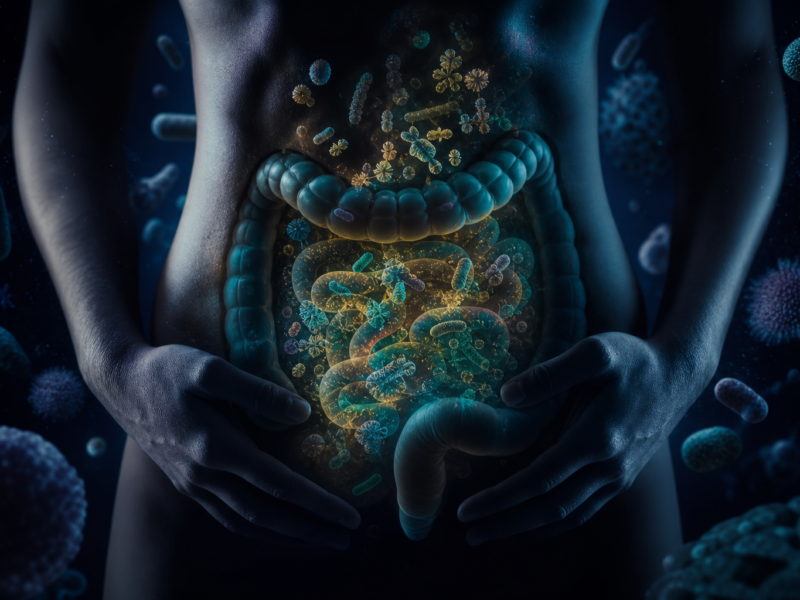
 Dr. Maya Chen
 James Hargreaves
 Rachel Summers