 Sarah Mitchell
Introduction
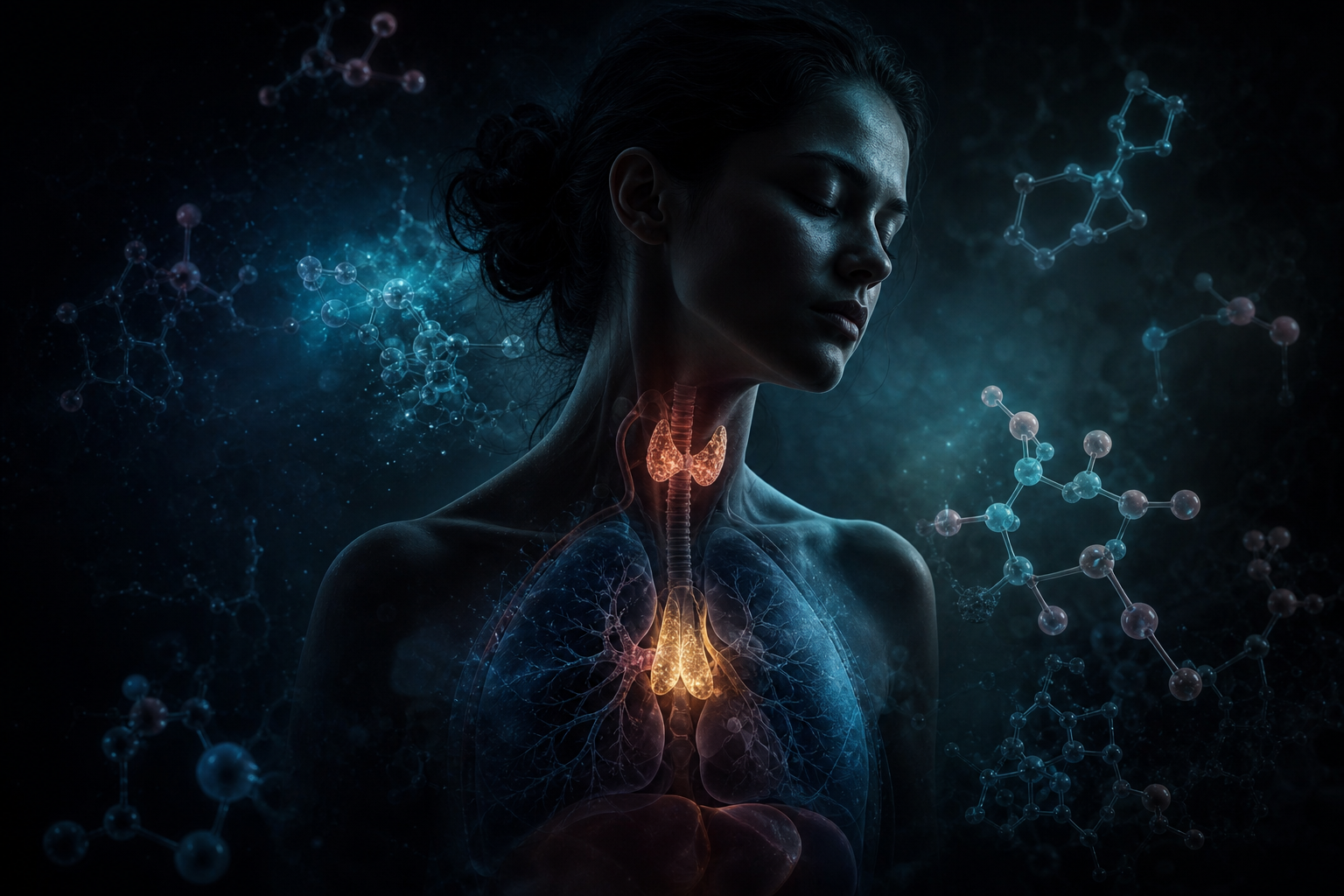
We often think of aging as wrinkles, gray hair, or slower movement. But beneath the surface, hormones quietly dictate how fast we age. Estrogen, testosterone, and cortisol don’t just regulate sex drive or stress — they influence bone strength, muscle mass, brain health, fat storage, energy, and even lifespan.
In 2025, researchers are calling hormone balance one of the most critical yet overlooked factors in longevity science. The good news? You can influence how your hormones behave through diet, lifestyle, and targeted interventions.
This article dives into the surprising role of hormones in aging, with practical steps to optimize them for a longer, healthier life.
Why Hormones Are the “Conductors” of Aging
Hormones act like chemical messengers, orchestrating everything from metabolism to mood. When balanced, they promote vitality. When imbalanced, they accelerate decline.
-
Estrogen protects bones, the brain, and cardiovascular health.
-
Testosterone preserves muscle, energy, and metabolic function.
-
Cortisol manages stress but can trigger inflammation if chronically elevated.
The shifts in these hormones after midlife often explain why aging feels sudden: fatigue, stubborn fat, weaker muscles, mood swings, and memory lapses.
The Science of Hormones & Aging: Balance Testosterone, Estrogen & Cortisol
Estrogen: The Protector Hormone
How Estrogen Shapes Aging
Estrogen is not just a “female hormone.” It protects bones, blood vessels, and the brain. After menopause, when estrogen plummets, women face higher risks of osteoporosis, Alzheimer’s, and heart disease.
Signs of Low Estrogen
-
Hot flashes & night sweats
-
Vaginal dryness & low libido
-
Memory issues & mood swings
-
Rapid bone density loss
How to Support Healthy Estrogen
-
Phytoestrogens: Foods like soy, flaxseed, and chickpeas gently support estrogen balance.
-
Strength training: Builds bone density and improves estrogen receptor sensitivity.
-
Medical support: Some women benefit from hormone replacement therapy (HRT) under medical supervision.
Authority Link: Mayo Clinic – Estrogen and Health
Testosterone: Energy, Strength, and Longevity
The Role of Testosterone
Often seen as the “male hormone,” testosterone is vital for both men and women. It maintains muscle mass, energy, confidence, and motivation. Low testosterone is linked with frailty, weight gain, and shorter lifespan.
Signs of Low Testosterone
-
Fatigue and low drive
-
Increased belly fat
-
Loss of muscle mass
-
Irritability and brain fog
Boosting Testosterone Naturally
-
Strength and HIIT training → naturally raise levels
-
Adequate sleep → testosterone is produced during deep sleep
-
Healthy fats (avocado, olive oil, nuts) → provide raw material for hormone production
Authority Link: Harvard Health – Testosterone and Aging

Cortisol: The Stress Hormone That Ages You
The Good and the Bad
Cortisol helps you wake up, focus, and handle emergencies. But when it stays elevated (chronic stress, poor sleep), it drives inflammation, weight gain, insulin resistance, and premature aging.
Symptoms of High Cortisol
-
Belly fat storage
-
Anxiety and sleep issues
-
High blood pressure
-
Lowered immunity
How to Lower Cortisol
-
Mindfulness practices: Meditation, breathing, and prayer reduce cortisol.
-
Sleep hygiene: 7–9 hours lowers stress hormones.
-
Balanced meals: Avoid blood sugar spikes that trigger cortisol surges.
Lifestyle Strategies for Hormone Balance
-
Prioritize Protein and Healthy Fats – Hormones are built from cholesterol and amino acids.
-
Strength + Cardio Training – Exercise balances testosterone, estrogen, and cortisol.
-
Circadian Alignment – Going to bed and waking at consistent times optimizes hormone release.
-
Limit Toxins – Plastics (BPA, phthalates) mimic estrogen and disrupt balance.
-
Stress Reset – Yoga, cold showers, or nature walks lower cortisol.

FAQs
Q: Can supplements really balance hormones?
Some, like ashwagandha (cortisol), zinc (testosterone), and flaxseed (estrogen support), may help — but they work best alongside lifestyle changes.
Q: Should men worry about estrogen?
Yes. Men need estrogen in small amounts for bone health and libido. Balance is key.
Q: Is HRT safe?
Hormone replacement can be safe under medical supervision, but it’s not for everyone. Lifestyle foundations always come first.
Summary Checklist
✅ Eat hormone-supportive foods (healthy fats, phytoestrogens)
✅ Train your body (strength + cardio)
✅ Sleep 7–9 hours for hormone recovery
✅ Reduce stress to lower cortisol
✅ Avoid toxins that mimic hormones
Editor’s note:
If your goal is steady fat loss and better energy, this quick video walks through a plan that may help support metabolism and appetite control. It pairs well with the checklist above.
Aging and Hormones: Your Questions Answered
How Do Key Hormones Change With Age?
- Testosterone — peaks in early 20s, declines ~1-2% per year after 30 in men; women also decline from 30s onward
- Estrogen — drops sharply at menopause (~age 51), accelerating bone loss, cardiovascular risk and cognitive changes
- Cortisol — dysregulates with age; stays elevated longer after stress, driving abdominal fat, poor sleep and inflammation
- DHEA — peaks around 25, declines ~80% by age 70; precursor to sex hormones
- Growth hormone — declines from the 30s, reducing muscle mass and recovery capacity
How do aging and hormones affect each other?
Hormonal decline drives many hallmarks of aging — muscle loss, fat redistribution, cognitive decline, reduced bone density and lower energy. Poor sleep, chronic stress and inflammatory diet also accelerate hormonal decline, creating a feedback loop that speeds biological aging.
Can you slow hormonal aging naturally?
Yes. Resistance training is the most evidence-backed intervention for maintaining testosterone and growth hormone. Quality sleep drives overnight hormone restoration. Stress management, ashwagandha supplementation, and reducing ultra-processed foods all support hormonal balance with age.
What are the signs of hormonal aging?
Unexplained fatigue, reduced muscle mass despite exercise, increased abdominal fat, poor sleep, brain fog, reduced libido, mood changes, and slower recovery from exercise. Blood testing is the only reliable way to confirm hormonal changes.
Does cortisol increase with age?
Cortisol regulation becomes less precise with age — the body is slower to return cortisol to baseline after stress. This contributes to chronic low-grade inflammation, disrupted sleep, and abdominal fat accumulation in older adults.
Related reading: Biological Age, Longevity Supplements, Ashwagandha Benefits for Women.
Related: Hydration and Longevity: How Water Intake Shapes Energy, Skin, and Aging


 Sarah Mitchell
 Emma Thornton
 Daniel Brooks
 James Hargreaves