Cordyceps improves VO2 max, ATP production, and endurance — with a growing evidence base across athletic performance, fatigue, immunity, and blood sugar. Here’s what research shows.
Reishi mushroom has over 2,000 years of traditional use and a growing modern evidence base. Here’s what research shows about its immune, sleep, liver, and anti-cancer properties.
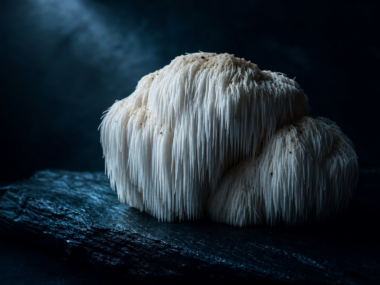
Lion’s mane produces acute focus effects within days, but significant cognitive improvements build over 4–16 weeks. Here’s a week-by-week timeline based on clinical research.
Lion’s mane is the only food that stimulates Nerve Growth Factor — the protein that maintains neurons. Here’s what clinical research shows for memory, Alzheimer’s, and brain health.
Sea moss gel has a mild, subtly oceanic flavour — close to neutral when properly prepared. Here’s exactly what to expect and the best ways to take it without tasting it.
1–2 tablespoons of sea moss gel daily is the generally safe range for most adults. Here’s how to adjust by form and goal — and why iodine content makes this more important than it seems.
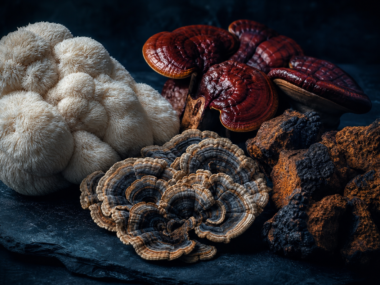
Lion’s mane, turkey tail, reishi, cordyceps, chaga — each has distinct evidence-backed benefits. Here’s a complete guide to functional mushrooms and what the science actually shows.
Chaga has among the highest antioxidant scores ever recorded, plus strong mechanistic evidence for immune support and anti-inflammation. Here’s what the science shows.
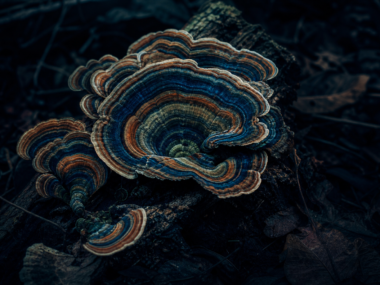
Turkey tail’s PSK is an approved cancer adjunct in Japan. Human trials show it improves immune function, NK cell activity, and gut microbiome diversity. Here’s the evidence.
Human RCTs show lion’s mane reduces anxiety scores at 4 weeks. Here’s the mechanism — NGF stimulation, neuroinflammation reduction, and gut-brain axis effects — and how to use it.
Lion’s mane stimulates Nerve Growth Factor (NGF), making it unique among foods for brain health. Here’s what clinical research shows for cognition, anxiety, and neuroprotection.
Sea moss provides iodine, prebiotic fibre, immune-supporting polysaccharides, and anti-inflammatory compounds. Here’s what the evidence actually shows — and what to be cautious about.
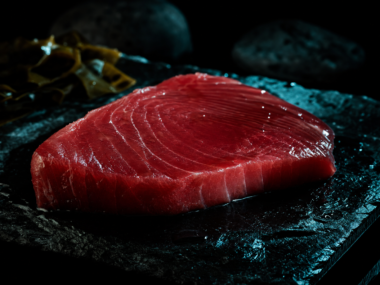
Yes, tuna contains omega-3 fatty acids — but the amount varies significantly by species and whether it’s canned in oil or water. Here’s the exact breakdown and how it compares to salmon.
The secret to great lion’s mane is pan-searing at high heat until deeply golden — giving it a seafood-like crab texture. Here’s the complete guide to preparing and cooking it.
Reishi mushroom is not psychedelic — it contains no psilocybin and produces no high. Here’s what it actually does and why people confuse it with magic mushrooms.
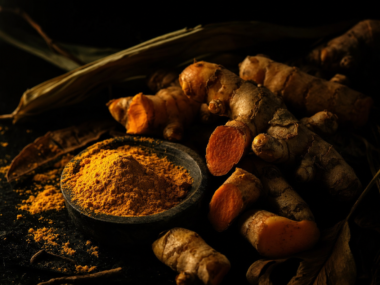
Yes, dogs can have turmeric — it’s safe and has anti-inflammatory, antioxidant, and cancer-supportive benefits. Here’s the right dose, how to make golden paste, and key precautions.