 Sarah Mitchell
What Are Supplements?
Dietary supplements are products designed to add nutritional value to the diet — providing vitamins, minerals, herbs, amino acids, enzymes, probiotics, or other bioactive compounds in concentrated form. They come as capsules, tablets, powders, gummies, liquids, and bars. Unlike prescription medications, supplements are not designed to treat, cure, or prevent disease — but a well-chosen supplement, taken for the right reason by the right person, can meaningfully address genuine nutritional gaps and support health.
The global supplements market exceeds $150 billion annually, and most adults in Western countries take at least one supplement regularly. Yet the majority of supplementation decisions are made without professional guidance, based on marketing claims, social media, or word of mouth. This guide exists to change that — giving you the evidence-based framework to make smarter, safer, and more effective supplement decisions.
Types of Supplements
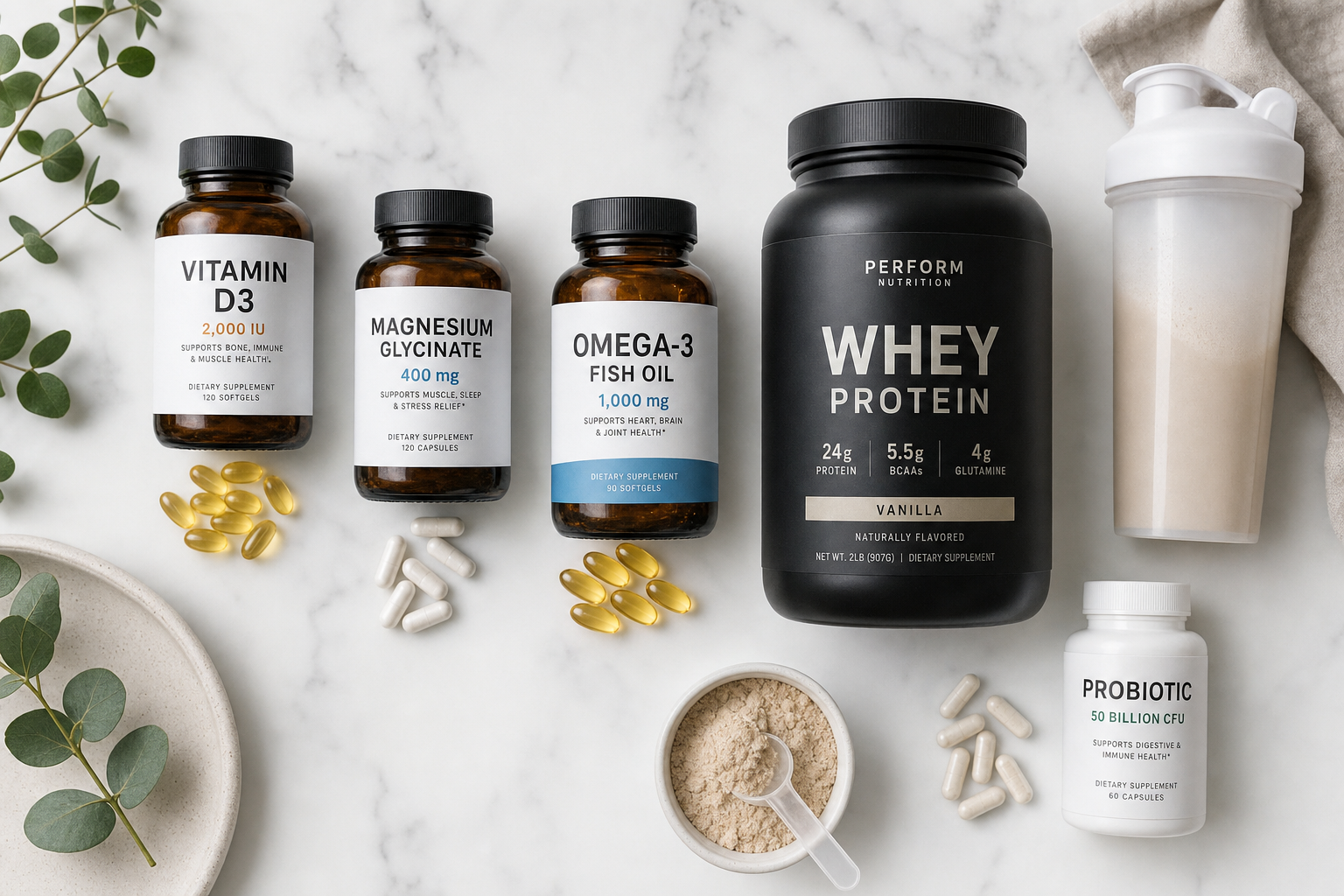
The supplement category is vast, but it divides into a few clear subcategories:
Vitamins and Minerals
The most foundational supplement category — including fat-soluble vitamins (A, D, E, K), water-soluble vitamins (B complex, C), and essential minerals (magnesium, zinc, iron, calcium, iodine). Vitamin and mineral supplements address specific deficiencies or insufficiencies that dietary intake alone doesn’t meet. See our dedicated guides to vitamin D, vitamin C, magnesium, zinc, and B12.
Proteins and Amino Acids
Protein powders (whey, casein, plant-based), creatine, BCAAs, glutamine, and collagen peptides all fall into this category. They support muscle building, recovery, satiety, and connective tissue health. See our guides to protein supplements, creatine, and collagen.
Herbal and Botanical Supplements
Plants and plant extracts used for their bioactive compounds — including ashwagandha, turmeric, ginkgo biloba, echinacea, and dozens more. These vary enormously in evidence quality, from well-studied adaptogens to largely unproven herbal products. See our guide to ashwagandha for an example of a well-evidenced adaptogen.
Omega-3 and Fatty Acids
Fish oil, krill oil, and algae-based omega-3 supplements providing EPA and DHA — the most clinically studied supplement category for cardiovascular and brain health. See our complete guide to omega-3 fish oil.
Probiotics and Gut Health
Live beneficial bacteria taken to support gut microbiome composition, digestive health, and immune function. See our probiotics supplement guide.
Who May Need Supplements?
The honest answer: not everyone needs supplements — but many people have genuine nutritional gaps that diet alone doesn’t fill. The populations with the strongest evidence-based need for specific supplements include:
People with limited sun exposure (vitamin D deficiency is near-universal in higher latitudes). Vegans and strict vegetarians (B12, omega-3 DHA, iron, zinc, calcium). Older adults (B12 absorption declines with age; vitamin D, calcium, and creatine become more important). Women of reproductive age (iron, folate, vitamin D). Pregnant women (folate/folic acid, iodine, vitamin D, iron, omega-3 DHA). Athletes with high training loads (creatine, protein, magnesium, vitamin D). People on certain medications (statins deplete CoQ10; metformin depletes B12; PPIs reduce magnesium and B12 absorption). See our specialised guides to best supplements for men and best supplements for women for gender-specific guidance, and best supplements for energy if fatigue is your primary concern.
How Supplements Work in the Body
Supplements work through the same biochemical pathways as nutrients from food — providing raw materials for enzymatic reactions, hormonal synthesis, structural proteins, and cellular signalling. Bioavailability — the proportion of a supplement that actually reaches the bloodstream and target tissues — varies enormously between forms. Magnesium glycinate is highly bioavailable; magnesium oxide is poorly absorbed. Methylcobalamin B12 is better retained than cyanocobalamin. Fat-soluble vitamins (A, D, E, K) require dietary fat for absorption and should be taken with a meal containing fat.
Benefits of Taking Supplements
When genuinely deficient in a nutrient, supplementing produces significant and often dramatic improvements: vitamin D supplementation in deficient people improves bone density, immune function, mood, and muscle strength. Iron supplementation in iron-deficient women resolves fatigue and cognitive impairment. B12 supplementation reverses neurological symptoms in deficient individuals. These are not marginal effects — in deficient populations, the right supplement can be genuinely life-changing. For people who are not deficient, the benefits are far more modest — most supplements show limited benefit in well-nourished, non-deficient populations.
Risks, Side Effects, and Interactions
Supplements are not inherently safe simply because they are natural or available without prescription. Fat-soluble vitamins (A, D, E, K) accumulate in body fat and can reach toxic levels. High-dose zinc impairs copper absorption. Calcium supplements may increase cardiovascular risk at very high doses. St. John’s Wort interacts with numerous medications including antidepressants, contraceptives, and warfarin. Iron supplementation causes constipation and can be dangerous in people without deficiency. Always research interactions between supplements and any medications you take — consult a pharmacist or doctor for personalised guidance.
How to Read Supplement Labels
Key label elements: serving size and number of servings per container (determines actual cost per dose). Active ingredients and their forms (the form matters — magnesium glycinate vs oxide are not equivalent). Other ingredients — look for unnecessary fillers, allergens, artificial colours, and additives. Third-party certification marks (USP, NSF International, Informed Sport, Labdoor) indicate independent verification of label accuracy and absence of contaminants. Percent daily values — note that these are based on general population recommendations and may not reflect your individual needs.
How to Choose Quality Supplements
The supplement industry is lightly regulated — products can contain different amounts of the stated ingredient (or none at all) and may be contaminated with heavy metals, pesticides, or undisclosed pharmaceutical compounds. The most important quality indicator is third-party testing certification: look for USP Verified, NSF Certified for Sport, Informed Sport, or Labdoor tested products. Buy from brands that publish their third-party testing certificates on their website. Avoid products with proprietary blends (where individual ingredient amounts are hidden), extreme health claims, or implausible formulations containing dozens of ingredients at sub-therapeutic doses.
Supplements vs Food First: What Matters Most
No supplement replicates the full nutritional complexity of whole food. Food provides nutrients in their natural matrix — alongside co-factors, fibre, phytonutrients, and other compounds that influence absorption and bioavailability in ways supplements cannot fully reproduce. A supplement should supplement a good diet, not substitute for one. The most impactful nutritional interventions remain eating a varied whole food diet, adequate protein, plenty of vegetables, and minimising ultra-processed food. Supplements are most valuable as targeted interventions for specific identified gaps — not as a nutritional insurance policy for a poor diet.
When to Talk to a Doctor or Dietitian
Before starting any supplement regimen, consider speaking with a healthcare professional if: you take prescription medications (interaction risk), you have a chronic health condition, you are pregnant or breastfeeding, you are considering high-dose supplementation, or you have symptoms that may indicate a deficiency (which should be confirmed by testing rather than assumed). Blood testing for key nutrients — vitamin D, B12, iron/ferritin, zinc, magnesium — is widely available and provides the most reliable basis for supplementation decisions.
FAQ
What are dietary supplements?
Dietary supplements are products that add nutritional value to the diet — providing vitamins, minerals, herbs, amino acids, probiotics, or other bioactive compounds in concentrated form. They are not medications and are not regulated to the same standard as pharmaceutical drugs.
Are supplements necessary if I eat a healthy diet?
Not necessarily for everyone — but certain nutrients are difficult to obtain from diet alone regardless of food quality, particularly vitamin D (most people don’t get enough sun exposure), omega-3 DHA (unless eating oily fish 3+ times per week), and B12 (if vegan or over 50).
How do I know if a supplement is high quality?
Look for third-party testing certification — USP, NSF International, Informed Sport, or Labdoor. Buy from brands that publish testing certificates. Avoid proprietary blends, excessive health claims, and products with dozens of under-dosed ingredients.
Can supplements interact with medications?
Yes — many supplements interact with prescription medications. St. John’s Wort, high-dose vitamin E, fish oil, and vitamin K are among the most commonly problematic. Always check interactions with a pharmacist if you take prescription drugs.
What is the safest way to take supplements?
Start with identified deficiencies or clear evidence-based needs. Use the lowest effective dose. Take fat-soluble vitamins with food. Check for interactions. Source from third-party tested brands. Have key nutrient levels tested periodically to guide decisions.


 Dr. Rachel Stone

 James Holloway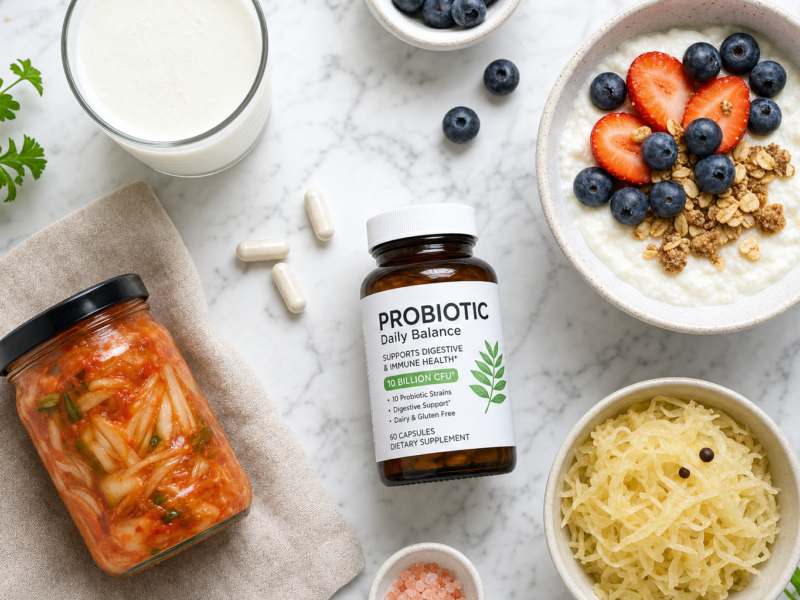
 Emma Thornton
 Dr. Maya Chen
 Elena Voss