 Sarah Mitchell
This article is for informational purposes only and does not constitute medical advice. Always consult a qualified healthcare professional before making changes to your diet, lifestyle, or supplement routine.
Why Gut Health Matters More Than You Think
There’s a good chance you’ve heard the phrase “gut health” tossed around on social media, in wellness blogs, or even from your own doctor. But if you’re still not sure what it actually means — or whether the hype is justified — you’re not alone.
Here’s what surprises most people: your digestive system does far more than process food. It houses roughly 70% of your immune system. It communicates directly with your brain via a complex network of nerves called the gut-brain axis. It helps regulate your mood, your energy levels, your metabolism, and even your skin. When things go wrong in the gut, the effects ripple outward in ways that can be confusing to trace.
Bloating after every meal. Energy crashes in the afternoon. Skin that won’t clear up. Anxiety that seems to come from nowhere. These can all have roots in digestive health — and that’s exactly why this topic deserves more than a passing glance.
This guide covers everything you need to know: what gut health actually means, what harms it, what helps it, and how to build daily habits that support it long-term. No supplements required to get started.
What Gut Health Actually Means
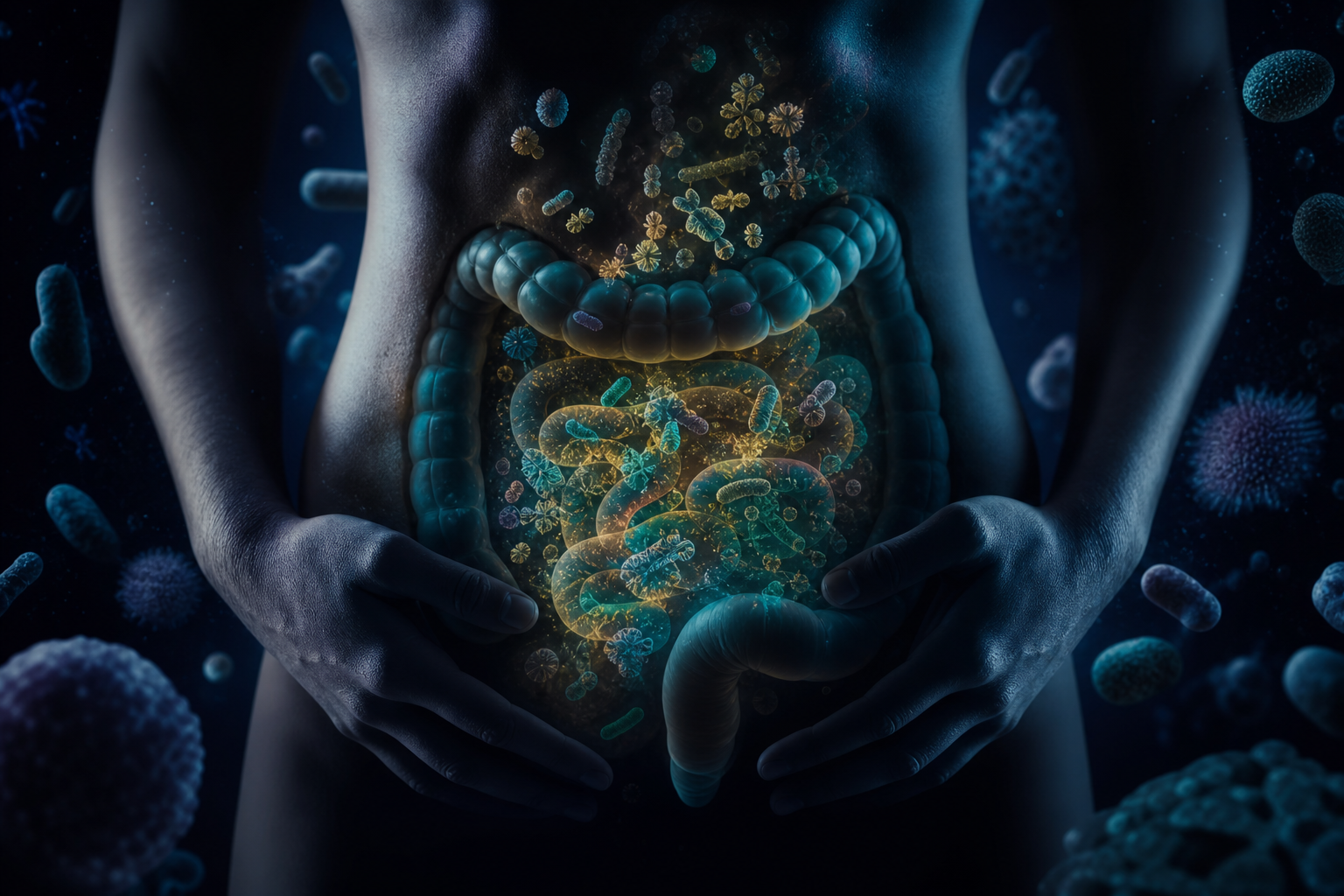
When most people say “gut,” they mean the digestive tract — the long, winding tube that runs from your mouth all the way to your colon. It’s roughly nine metres long in an adult, and every section of it has a specific job to do.
But “gut health” isn’t just about having regular bowel movements (though that matters too). A truly healthy gut is one where digestion runs smoothly, the microbial community living inside it is balanced and diverse, the gut lining is intact, and the whole system is communicating well with the rest of the body.
Think of it less like a single organ and more like an ecosystem. When all the parts are working together, you feel good. When one part is out of balance, the rest tends to follow.
The 6 Core Domains of Gut Health
Researchers at the International Scientific Association for Probiotics and Prebiotics have proposed that gut health can be broken down into six key functional domains. Understanding them gives you a much clearer picture of what you’re actually trying to support:
- Digestive secretions and motility: How well your stomach produces acid and enzymes, and how efficiently food moves through your system. Poor motility means either constipation (too slow) or diarrhoea (too fast).
- The gut microbiome: The trillions of bacteria, viruses, fungi, and other microorganisms living in your digestive tract. A diverse, balanced microbiome is consistently linked to better health outcomes.
- The gut barrier: A single layer of cells lining your intestine that acts as a selective gatekeeper — letting nutrients in and keeping harmful substances out. When this barrier is compromised, it’s sometimes called “leaky gut.”
- Gut immunity: Most of your immune system operates from within the gut wall. A healthy gut means a better-calibrated immune response.
- Gut metabolism: How your gut processes nutrients, produces short-chain fatty acids (SCFAs) from fiber fermentation, and influences blood sugar and fat metabolism.
- The gut-brain axis: The two-way communication highway between your gut and your brain, involving the vagus nerve, neurotransmitters like serotonin (80-90% of which is made in the gut), and inflammatory signals.
You don’t need to memorise all of this. But knowing these domains exist helps you understand why gut health affects so much — and why fixing it takes more than just taking a probiotic capsule.
Signs Your Gut May Be Out of Balance
The gut is pretty good at telling you when something is off. The problem is that its signals can be subtle, or mistaken for something else entirely. Here are some of the more common signs worth paying attention to:
- Persistent bloating — especially after meals, or bloating that doesn’t improve with dietary changes
- Irregular bowel movements — constipation, diarrhoea, or alternating between the two
- Acid reflux or heartburn that keeps coming back
- Food sensitivities that seem to be getting worse or more numerous
- Unexplained fatigue — particularly after eating
- Brain fog — difficulty concentrating, poor memory, mental sluggishness
- Skin issues like eczema, acne, or rosacea that don’t respond to topical treatments
- Mood changes — increased anxiety or low mood without an obvious cause
None of these symptoms on their own confirm a gut problem. But if you’re experiencing several of them regularly, it’s worth looking at your digestive health as a possible contributing factor.
What Harms Gut Health
Before we talk about what helps, it’s worth being honest about what hurts. Because for many people, the most effective first step isn’t adding something new — it’s removing what’s actively causing damage.
Ultra-Processed Foods and Low Fiber Intake
If there’s one dietary factor that consistently comes up in gut health research, it’s fiber — or more accurately, the lack of it. The average Australian adult consumes around 20g of fiber per day. The recommended amount is 25–30g. That gap might seem small, but the consequences for your microbiome are significant.
Beneficial gut bacteria feed on dietary fiber. When fiber intake is low, those bacteria essentially starve. Over time, microbial diversity drops — and a less diverse microbiome is linked to increased inflammation, poorer immune function, and higher risk of chronic disease.
Ultra-processed foods make this worse in two ways: they’re typically very low in fiber, and they often contain emulsifiers, artificial sweeteners, and additives that research increasingly suggests can disrupt the gut lining and alter microbial composition.
This doesn’t mean you need to eat perfectly. But if chips, packaged snacks, fast food, and sugary drinks make up a significant chunk of your diet, your gut is likely paying the price.
Stress, Poor Sleep, and Sedentary Living
Your gut and your brain are in constant conversation. When you’re under chronic stress, your body releases cortisol and other stress hormones that can directly affect gut motility — either speeding things up (hello, stress-related diarrhoea) or slowing them down (stress-induced constipation).
Poor sleep compounds this. Studies have found that even a few nights of disrupted sleep can alter gut microbial composition. It also raises inflammation markers and can worsen symptoms in people with existing digestive conditions like IBS.
And then there’s movement — or the lack of it. A sedentary lifestyle slows gut transit time, which can contribute to constipation, bloating, and a less diverse microbiome. Regular physical activity, even just walking, has consistently been shown to support healthy gut motility and microbial diversity.
Alcohol, Smoking, and Irregular Eating
Alcohol disrupts the gut lining, alters the microbiome, and can increase intestinal permeability. Heavy or regular drinking is associated with a significant reduction in beneficial bacteria and an overgrowth of harmful strains.
Smoking has a similar effect — it reduces microbial diversity and is associated with higher rates of inflammatory bowel conditions.
Irregular eating patterns — skipping meals, eating at very different times each day, or eating very late at night — can also disrupt your gut’s internal clock. Your digestive system, like the rest of your body, runs on circadian rhythms. Consistent meal timing helps keep those rhythms intact.
Foods That Support Gut Health
Good news: supporting your gut through food doesn’t require a dramatic overhaul. It mostly comes down to eating more of the things your gut bacteria love, and a little less of the things that work against them.
Fiber-Rich Plants and Diversity
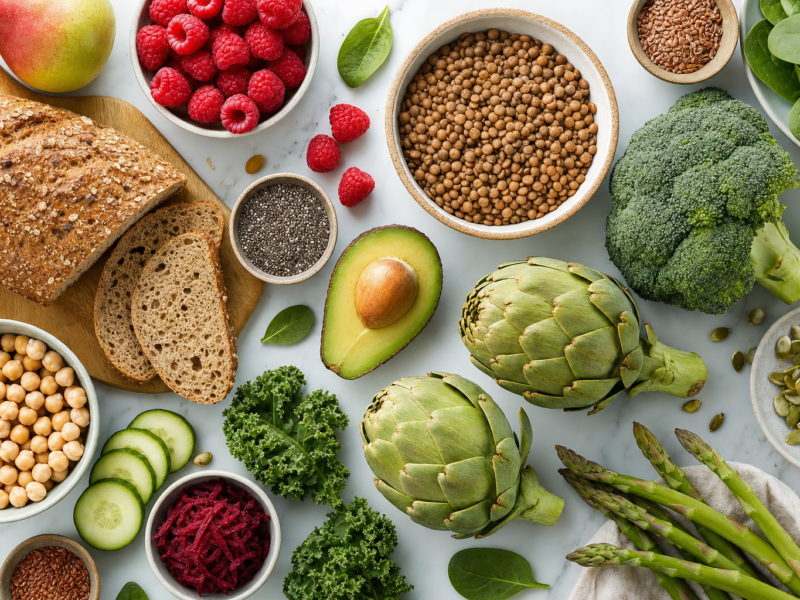
The research on this is remarkably consistent: the more diverse your plant intake, the more diverse your microbiome tends to be. A landmark study found that people who ate 30 or more different plant foods per week had significantly more microbial diversity than those who ate 10 or fewer.
This doesn’t mean eating 30 different salads. Herbs, spices, nuts, seeds, legumes, fruits, vegetables, and whole grains all count. A sprinkle of mixed seeds on your yoghurt, a handful of walnuts in your oats, swapping white rice for a grain mix — these small shifts add up.
The best prebiotic foods — those that specifically feed beneficial bacteria — include:
- Garlic and onions
- Leeks and asparagus
- Oats and barley
- Green bananas and underripe bananas
- Cooked and cooled potatoes and rice (resistant starch)
- Lentils and chickpeas
- Flaxseeds and chia seeds
Fermented Foods and Probiotic Sources
Fermented foods have been part of human diets for thousands of years, and for good reason. They contain live microorganisms that can contribute to a healthier gut environment — at least temporarily.
A 2021 Stanford study published in Cell found that a diet high in fermented foods increased microbiome diversity and reduced markers of inflammation more effectively than a high-fiber diet alone. The most well-studied options include:
- Yoghurt (with live cultures — check the label)
- Kefir — a fermented milk drink that’s higher in probiotic strains than yoghurt
- Sauerkraut — fermented cabbage; buy refrigerated, not shelf-stable
- Kimchi — Korean fermented vegetables with chilli
- Miso — fermented soybean paste
- Kombucha — fermented tea (watch the sugar content)
- Tempeh — fermented soy, also a good protein source
A word of caution: if you have SIBO (small intestinal bacterial overgrowth) or certain other digestive conditions, fermented foods and high-fiber foods can sometimes make symptoms worse before they get better. When in doubt, go slowly and consult a clinician.
Hydration and Digestive Comfort
Water is one of the most underrated gut health tools. It softens stool, supports the mucosal lining of the intestines, and helps fiber do its job. Without adequate hydration, even a high-fiber diet can contribute to constipation rather than relieve it.
Most adults need around 2–2.5 litres of fluids per day, more in hot weather or with exercise. Plain water is best. Herbal teas (peppermint, ginger, fennel) can also support digestive comfort. Limit sugary drinks, excessive coffee, and alcohol, all of which can dehydrate or irritate the gut lining.
Foods That Commonly Trigger Bloating
This is where gut health gets personal. What causes bloating in one person may be perfectly fine for another. That said, some common culprits include:
- Carbonated drinks — the bubbles introduce gas into the digestive tract
- Sugar alcohols (sorbitol, mannitol, xylitol) found in some sugar-free products
- Certain high-FODMAP foods — onions, garlic, wheat, some legumes, and certain fruits can ferment rapidly in the gut and cause bloating in sensitive individuals
- Dairy — for those with lactose intolerance
- Eating too quickly or drinking through a straw
If you suspect a specific food is a trigger, keeping a simple food and symptom diary for two weeks can be eye-opening. A low-FODMAP diet — ideally guided by a dietitian — is also well-supported for IBS-related bloating.
Daily Habits That Improve Gut Health
Diet is important, but it’s only one piece of the puzzle. Some of the most effective gut health strategies have nothing to do with food.
Eat Slower and Chew Thoroughly
Digestion begins in the mouth. When you chew your food properly, you’re doing some of the mechanical work that your stomach would otherwise have to do — and you’re also triggering the release of digestive enzymes in saliva that start breaking down carbohydrates before they even reach your stomach.
Eating quickly, on the other hand, tends to mean swallowing more air (hello, bloating), triggering less satiety signalling, and putting more undigested food in front of gut bacteria that produce gas as a by-product. Aim for at least 20 chews per bite. It sounds like a lot — try it once and see how different it feels.
Move Your Body Regularly
You don’t need an intense exercise regimen to support your gut. A 15–20 minute walk after meals has been shown to meaningfully reduce blood sugar spikes and speed up gastric emptying — meaning food moves through your system more efficiently.
More broadly, regular moderate exercise — 150 minutes per week of something that gets you slightly breathless — is consistently associated with greater microbial diversity, lower gut inflammation, and better bowel regularity. Resistance training also appears to support gut health, partly through its effects on inflammation and body composition.
Prioritise Sleep and Stress Reduction
Seven to nine hours of quality sleep per night isn’t a luxury — it’s a genuine gut health intervention. During sleep, your gut repairs its lining, microbes undergo circadian shifts, and the enteric nervous system gets a chance to reset. Chronically poor sleep is associated with increased intestinal permeability and gut dysbiosis.
For stress, the evidence points toward consistency over intensity. Daily habits like 10 minutes of diaphragmatic breathing, a short walk in nature, journaling, or even a few minutes of mindfulness can meaningfully reduce the cortisol load on your gut over time. It’s not about eliminating stress — that’s not realistic. It’s about building enough recovery into your routine that your nervous system isn’t in a perpetual state of alarm.
Probiotics, Prebiotics, Synbiotics, and Supplements
Let’s talk about supplements — because this is where the marketing tends to outpace the science. A few things are worth saying plainly:
Supplements are tools. They’re not the foundation of gut health, and no probiotic will undo the damage of a poor diet, chronic stress, and poor sleep. That said, some supplements have genuine evidence behind them when used appropriately.
Prebiotics – Feeding Good Bacteria
Prebiotics are specific types of fiber that beneficial gut bacteria ferment and use as fuel. They’re found naturally in many foods (garlic, onions, oats, asparagus, legumes), but can also be taken as supplements.
Common prebiotic supplements include inulin, fructooligosaccharides (FOS), galactooligosaccharides (GOS), and resistant starch. They can cause bloating in some people when introduced too quickly — start low and increase gradually.
Probiotics – Adding Live Microbes
Probiotic supplements contain live bacteria intended to confer a health benefit. The most important thing to know: not all probiotics are the same. Different strains do different things. A Lactobacillus rhamnosus GG has evidence for diarrhoea prevention; a Bifidobacterium longum 35624 has evidence for IBS symptom reduction. Taking a random probiotic blend with no specific strain data is largely a shot in the dark.
That said, probiotics appear most useful for:
- Reducing antibiotic-associated diarrhoea
- Managing symptoms of IBS (particularly bloating and altered bowel habits)
- Supporting gut recovery after infection
- Certain immune and vaginal health applications
For healthy people without specific symptoms, the benefit of daily probiotic supplementation is less clear. Eating a variety of fermented foods is likely just as effective — and considerably cheaper.
Synbiotics – Combining Both
Synbiotic products combine a probiotic strain with its preferred prebiotic fuel — the idea being that the bacteria are more likely to survive and thrive if they arrive with their food source. The research is promising, though still emerging. Look for products where the prebiotic component is specifically chosen to support the probiotic strain included.
When to Be Careful With Supplements
Probiotic and prebiotic supplements are generally safe for healthy adults. But there are situations where caution is warranted:
- People who are immunocompromised (e.g., on chemotherapy, living with HIV, or taking immunosuppressants) should consult a clinician before taking live bacteria supplements
- Those with severe inflammatory bowel disease or a history of gut surgery may need specialist guidance
- High-dose prebiotic supplements can worsen bloating in people with SIBO or fructose malabsorption
- Some supplements interact with medications — always mention them to your pharmacist or GP
Gut Health and Specific Symptoms
Bloating and Gas
Bloating is one of the most common digestive complaints, and also one of the most misunderstood. Some degree of gas and bloating is completely normal — your gut bacteria produce gas as a natural by-product of fermenting fiber. The problem is when it’s excessive, painful, or disrupting daily life.
Common causes include eating too fast, food intolerances, dysbiosis, constipation, or functional gut conditions like IBS. A low-FODMAP diet, guided by a dietitian, has the strongest evidence for IBS-related bloating. If bloating is severe, sudden, or accompanied by other symptoms (pain, weight loss, blood in stool), see a doctor rather than attempting self-treatment.
Constipation and Irregularity
Constipation affects roughly 1 in 7 adults and is more common in women and older adults. The most effective first-line interventions are also the most unglamorous: increase fiber gradually (particularly soluble fiber from oats, flaxseed, and psyllium husk), drink more water, and move more.
Psyllium husk in particular has strong evidence — it’s both a prebiotic and a bulking agent, and it works for both constipation and diarrhoea (it regulates bowel movements rather than simply speeding them up). If constipation persists despite dietary changes, a doctor can rule out underlying causes like thyroid dysfunction or medication side effects.
Diarrhoea, Reflux, and Food Sensitivities
Acid reflux is often managed with antacids, but the underlying trigger matters enormously. Common contributors include eating large meals, lying down after eating, high-fat meals, coffee, alcohol, and being overweight. Lifestyle changes often help more than medication in mild cases.
Food sensitivities — as distinct from allergies — are frustratingly hard to pin down without systematic tracking. A structured elimination diet, ideally guided by a dietitian, is the most reliable way to identify them. Self-diagnosing and eliminating multiple food groups without guidance can leave you nutritionally worse off.
When to See a Doctor
Most gut symptoms can be improved with lifestyle changes. But some symptoms are red flags that need proper medical evaluation — not a probiotic or a new diet plan.
Red-Flag Symptoms
See a doctor promptly if you experience:
- Blood in your stool (red or black/tarry)
- Unexplained weight loss
- Persistent abdominal pain that doesn’t improve
- Difficulty swallowing
- Vomiting that keeps coming back
- Anaemia with no obvious cause
- Symptoms that wake you from sleep
- A family history of bowel cancer or inflammatory bowel disease
These symptoms don’t necessarily mean something serious is wrong — but they warrant proper investigation rather than self-management.
What a Workup May Include
Depending on your symptoms, a gut health workup might include blood tests (full blood count, thyroid function, coeliac markers, inflammatory markers), a stool test (for infection, inflammation, or microbiome analysis), a hydrogen breath test (for SIBO or lactose intolerance), or imaging and endoscopy. Your GP is the right first port of call — they can triage appropriately and refer you to a gastroenterologist if needed.
Frequently Asked Questions About Gut Health
What are the first signs of poor gut health?
The earliest signs are often digestive: bloating, irregular bowel movements, frequent gas, or reflux. But broader signals like persistent fatigue, brain fog, skin issues, and low mood can also point to gut imbalance. No single symptom is diagnostic — it’s usually a pattern.
How long does it take to improve gut health naturally?
The microbiome can begin to shift within days of dietary changes — some research shows measurable changes in as little as 3–5 days of eating differently. However, meaningful, lasting improvement in symptoms typically takes 4–8 weeks of consistent change. The gut responds to consistency more than intensity.
What foods are best for gut health?
Diversity is the key word. Aim for 30+ different plant foods per week, including vegetables, fruits, legumes, whole grains, nuts, seeds, and herbs. Add fermented foods if tolerated. Minimise ultra-processed foods and added sugar. Drink plenty of water.
Are probiotics necessary for a healthy gut?
No — not for most healthy people. A diet rich in fermented foods and prebiotic fiber is likely more effective than a daily probiotic capsule. Probiotics are most useful for specific conditions and situations, like after antibiotics or for IBS management with a clinically-studied strain.
Can stress really affect gut health?
Absolutely — and the research is unambiguous on this. Chronic stress alters gut motility, increases intestinal permeability, shifts microbial composition, and worsens symptoms in people with IBS or IBD. Managing stress is a legitimate gut health intervention, not just a wellness nicety.
How much fiber should I eat for gut health?
The Australian Dietary Guidelines recommend 25g/day for women and 30g/day for men. Most people get around 20g. Increase gradually to avoid bloating and gas. Both soluble fiber (oats, legumes, fruit) and insoluble fiber (vegetables, wholegrain bread, wheat bran) are important.
What’s the difference between gut health and digestive health?
“Digestive health” tends to refer specifically to the mechanical and chemical processes of breaking down and absorbing food. “Gut health” is broader — it encompasses the microbiome, the gut barrier, gut immunity, the gut-brain axis, and metabolic functions. All digestive health is part of gut health, but not all gut health is about digestion.
When should I see a doctor for gut symptoms?
If you have red-flag symptoms (blood in stool, unexplained weight loss, severe or persistent pain, difficulty swallowing), see a doctor promptly. If your symptoms are milder but not improving after 6–8 weeks of lifestyle changes, it’s also worth a GP visit to rule out underlying conditions.
Your Simple Gut Health Plan
You don’t need a supplement stack or a complicated protocol. The foundations of good gut health are genuinely simple — they’re just not always easy to sustain consistently.
Here’s a practical starting point:
- Add more plants, more often. Aim for variety — try to eat a different vegetable or fruit each day this week. The goal is diversity, not perfection.
- Include one fermented food daily. A serve of yoghurt, a spoonful of sauerkraut, a glass of kefir. Start small if your gut isn’t used to it.
- Drink water before and between meals. Aim for 2 litres per day as a baseline.
- Walk after meals. Even 10 minutes makes a difference to blood sugar and motility.
- Sleep 7–9 hours. Set a consistent bedtime and wake time, even on weekends.
- Find one daily stress outlet. Breathing, walking, journaling — it doesn’t matter much what it is, as long as it’s consistent.
- Notice your symptoms. Keep a simple diary for two weeks. Patterns are hard to see in the moment but obvious in retrospect.
Start with one or two of these. Build from there. The gut responds to consistency over time — not to dramatic short-term interventions.
Medical Disclaimer: The information in this article is intended for general educational purposes only and does not constitute medical advice. Always speak with a qualified healthcare professional before making significant changes to your diet, lifestyle, or supplement routine — particularly if you have a diagnosed health condition or are taking medication.
Sources: International Scientific Association for Probiotics and Prebiotics (gut health domains); Cell (2021 Stanford fermented foods study); Healthdirect Australia; Australian Dietary Guidelines; PMC/NCBI (plant diversity and microbiome research); ZOE Gut Guide; IntegrativePro (pillars of gut health); NutraLife; UpliftForHer.


 Dr. Maya Chen
 Sarah Mitchell
 Daniel Brooks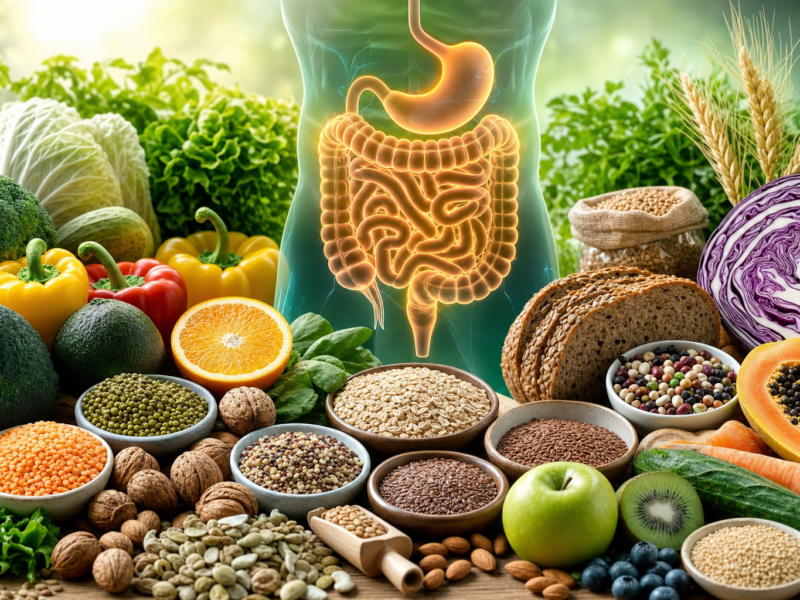
 Ashley
 James Hargreaves