 Sarah Mitchell
What Healthy Aging Really Means
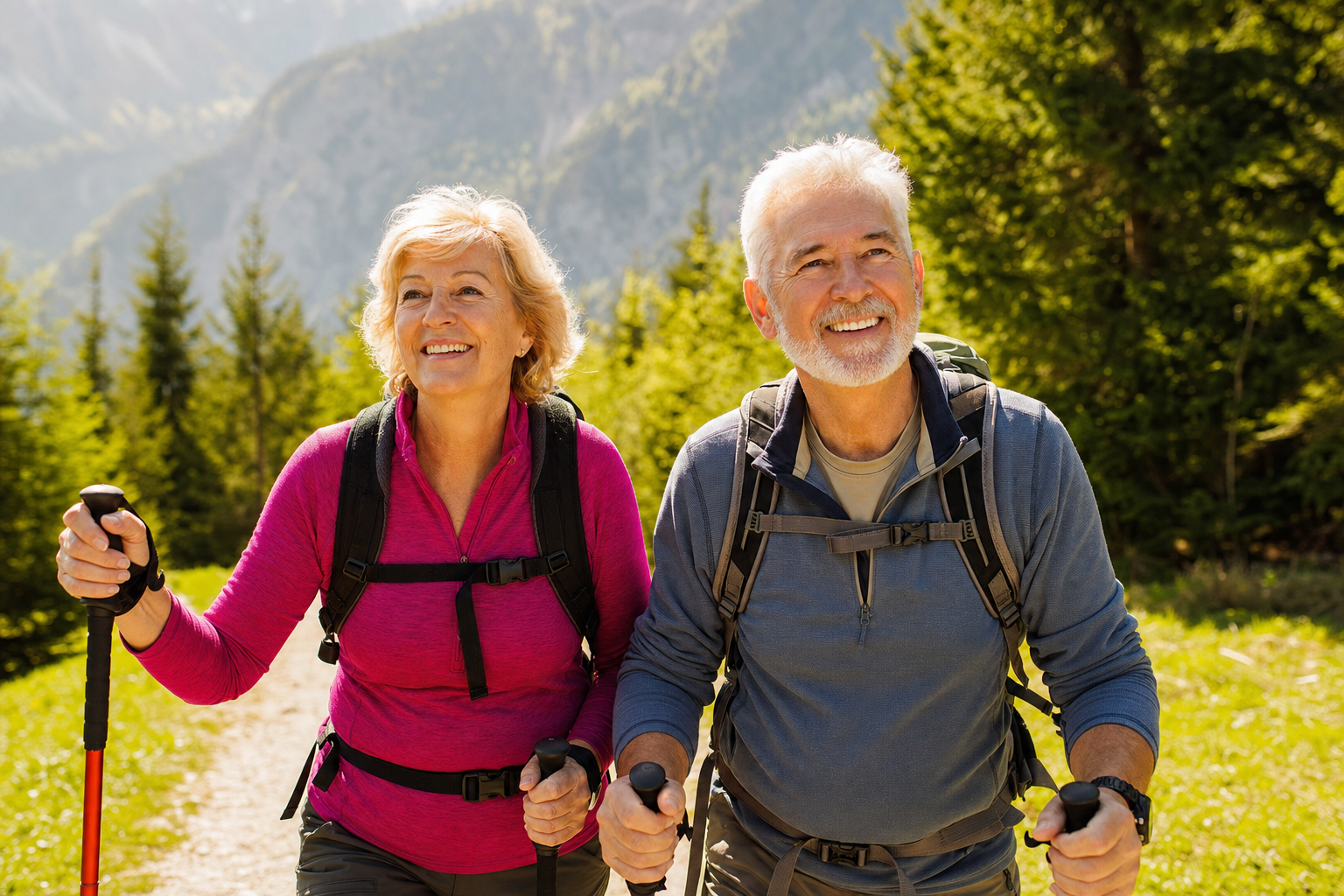
Healthy aging is not the absence of disease — it is the presence of vitality. It means maintaining physical function, mental sharpness, emotional wellbeing, and meaningful connection well into later life. It means compressing the period of decline and expanding the period of genuine health. Decades of research from the world’s longest-lived populations — and from the science of geroscience — reveal that how we age is not simply a matter of genetics. Lifestyle factors account for an estimated 70–80% of longevity and healthspan outcomes. The choices you make consistently, starting as early as your 30s and continuing through every decade, are the primary determinants of how you feel and function at 70, 80, and beyond.
The Seven Pillars of Healthy Aging
1. Nutrition
What you eat profoundly shapes the rate at which you age at a cellular level. Anti-inflammatory dietary patterns — rich in vegetables, fruits, legumes, whole grains, olive oil, fish, and nuts — consistently reduce the risk of age-related diseases including heart disease, type 2 diabetes, cognitive decline, and cancer. Adequate protein intake becomes increasingly important with age to counter the age-related decline in muscle mass (sarcopenia). Specific nutrients — omega-3 fatty acids, vitamin D, magnesium, zinc, B vitamins, and antioxidants — support brain, bone, immune, and cardiovascular health with particular relevance in older age. See our full guide to the anti-aging diet for detailed food and nutrient recommendations.
2. Movement
Physical activity is the single most powerful anti-aging intervention currently known to science. It simultaneously preserves muscle mass, maintains bone density, supports cardiovascular function, improves insulin sensitivity, enhances brain health through neurogenesis and BDNF production, reduces inflammation, and supports mood and sleep quality. The evidence is consistent: people who exercise regularly in middle and later age have biological ages 10–20 years younger than sedentary peers of the same chronological age. Resistance training is particularly critical from midlife onward to counter sarcopenia. See our guide to exercise for healthy aging for age-specific recommendations.
3. Sleep
Sleep is when the body performs its most essential maintenance — clearing amyloid proteins from the brain, consolidating memories, repairing tissue, and restoring hormonal balance. Sleep quality and architecture change with age, making deliberate sleep hygiene increasingly important as we get older. Chronically poor sleep accelerates cognitive decline, immune aging, cardiovascular risk, and metabolic dysfunction. See our guide to sleep and aging for evidence-based strategies.
4. Stress Management
Chronic psychological stress is one of the most potent accelerators of biological aging. It shortens telomeres, increases systemic inflammation, impairs immune function, raises cardiovascular risk, and accelerates cognitive decline. The stress-aging connection operates through the HPA axis and chronic cortisol elevation — making stress reduction not a luxury but a biological necessity for healthy aging. See our guide to stress and aging.
5. Brain Health
Cognitive decline is not an inevitable consequence of aging — it is largely driven by modifiable lifestyle factors including cardiovascular health, sleep, physical activity, social engagement, and dietary patterns. What is good for the heart is good for the brain. The habits that protect against dementia and cognitive decline are the same ones that support overall healthy aging. See our guide to cognitive decline prevention.
6. Social Connection
Loneliness and social isolation are now recognised as independent risk factors for accelerated aging, cardiovascular disease, immune dysfunction, cognitive decline, and premature mortality — with effect sizes comparable to smoking 15 cigarettes per day. Meaningful relationships and community belonging are among the most consistent features of long-lived populations worldwide. See our guide to social connection and longevity.
7. Purpose and Mindset
Having a strong sense of purpose — what the Japanese call ikigai — is consistently associated with longer life, lower dementia risk, and better physical function. Positive attitudes toward aging have been shown to extend life by an average of 7.5 years. Mindset is not peripheral to healthy aging — it is central.
Key Areas of Physical Health to Protect
Muscle and Bone
Sarcopenia — the age-related loss of muscle mass and function — begins as early as the 30s and accelerates from the 50s onward without countermeasures. Resistance training and adequate protein (1.2–1.6g per kg of body weight) are the most effective interventions. Bone density peaks in the late 20s and declines progressively — calcium, vitamin D, and weight-bearing exercise are essential. See our guides to muscle loss and sarcopenia and bone health and aging.
Heart and Metabolism
Cardiovascular disease risk increases with age, but much of this risk is modifiable through diet, exercise, not smoking, blood pressure management, and healthy weight. The lifestyle patterns that support cardiovascular health in younger life pay compounding dividends in later decades. See our guide to heart health and aging.
Hormones
Hormone levels — testosterone, oestrogen, growth hormone, DHEA, and insulin-like growth factor — all decline with age, contributing to changes in energy, body composition, mood, libido, and cognitive function. Lifestyle factors have meaningful influence on hormone balance at all ages. See our guide to hormones and aging.
Gut Health
The gut microbiome changes significantly with age — diversity declines, inflammatory species increase, and the production of beneficial short-chain fatty acids decreases. These changes in the aging gut microbiome contribute to systemic inflammation, immune aging, and metabolic dysfunction. Diet is the primary lever. See our guide to gut health and aging.
What the Research Tells Us About Longevity
The landmark studies of healthy aging — from the Baltimore Longitudinal Study on Aging, to the EPIC cohort studies, to the research on Blue Zone populations — consistently identify the same cluster of behaviours: a diet rich in whole plant foods, daily physical activity including both aerobic and resistance exercise, non-smoking, moderate or no alcohol, healthy weight maintenance, robust social networks, a sense of purpose, and adequate sleep. No single intervention is magic — it is the consistent combination of these behaviours, applied over decades, that produces the most dramatic healthspan outcomes. See our guide to longevity habits from Blue Zones for the most concentrated real-world evidence.
How to Build Your Healthy Aging Plan
Start with an honest audit: How is your diet, exercise, sleep, stress, and social life? Identify the pillar with the greatest current gap and address it first. Small consistent improvements across all seven pillars, sustained over years and decades, compound into dramatically different aging trajectories. The best time to start was twenty years ago — the second best time is today.
FAQ
What is healthy aging?
Healthy aging means maintaining physical function, mental sharpness, emotional wellbeing, and social connection into later life — compressing decline and expanding vitality.
What are the most important factors for healthy aging?
Nutrition, physical activity, sleep, stress management, brain health habits, social connection, and purpose are the seven pillars most consistently supported by the research evidence.
Can you reverse aging?
You cannot reverse chronological age, but biological age — measured through cellular markers including telomere length, epigenetic clocks, and inflammatory markers — is meaningfully influenced by lifestyle and can be improved at any age.
When should I start thinking about healthy aging?
Ideally in your 30s — but the benefits of adopting healthy aging habits are measurable at every age. Even people in their 70s and 80s see significant functional improvements from exercise, dietary improvement, and social engagement.
What is the single most important thing for longevity?
If forced to choose one, the evidence most consistently points to regular physical activity — particularly the combination of aerobic exercise and resistance training — as the single most powerful predictor of both lifespan and healthspan.
Related: Hydration and Longevity: How Water Intake Shapes Energy, Skin, and Aging


 Ashley
 Emma Thornton
 Sarah Mitchell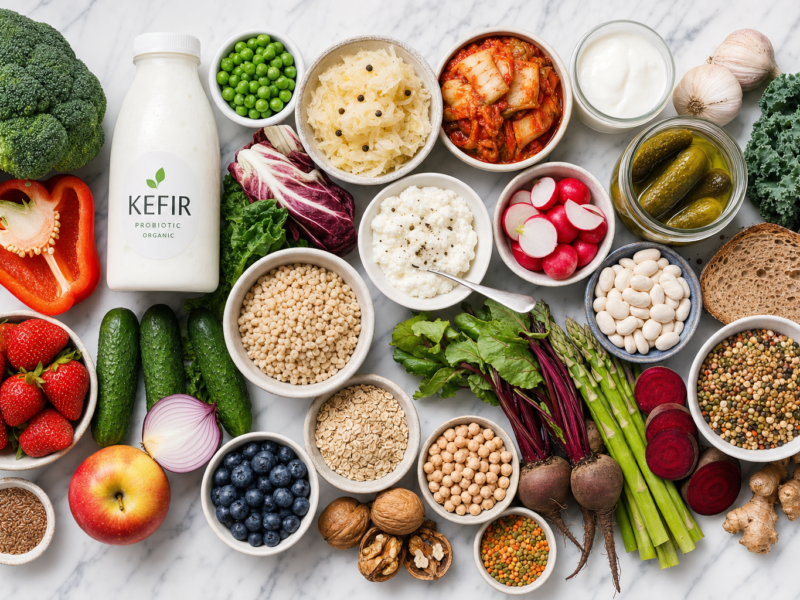
 James Hargreaves