 Sarah Mitchell
Introduction
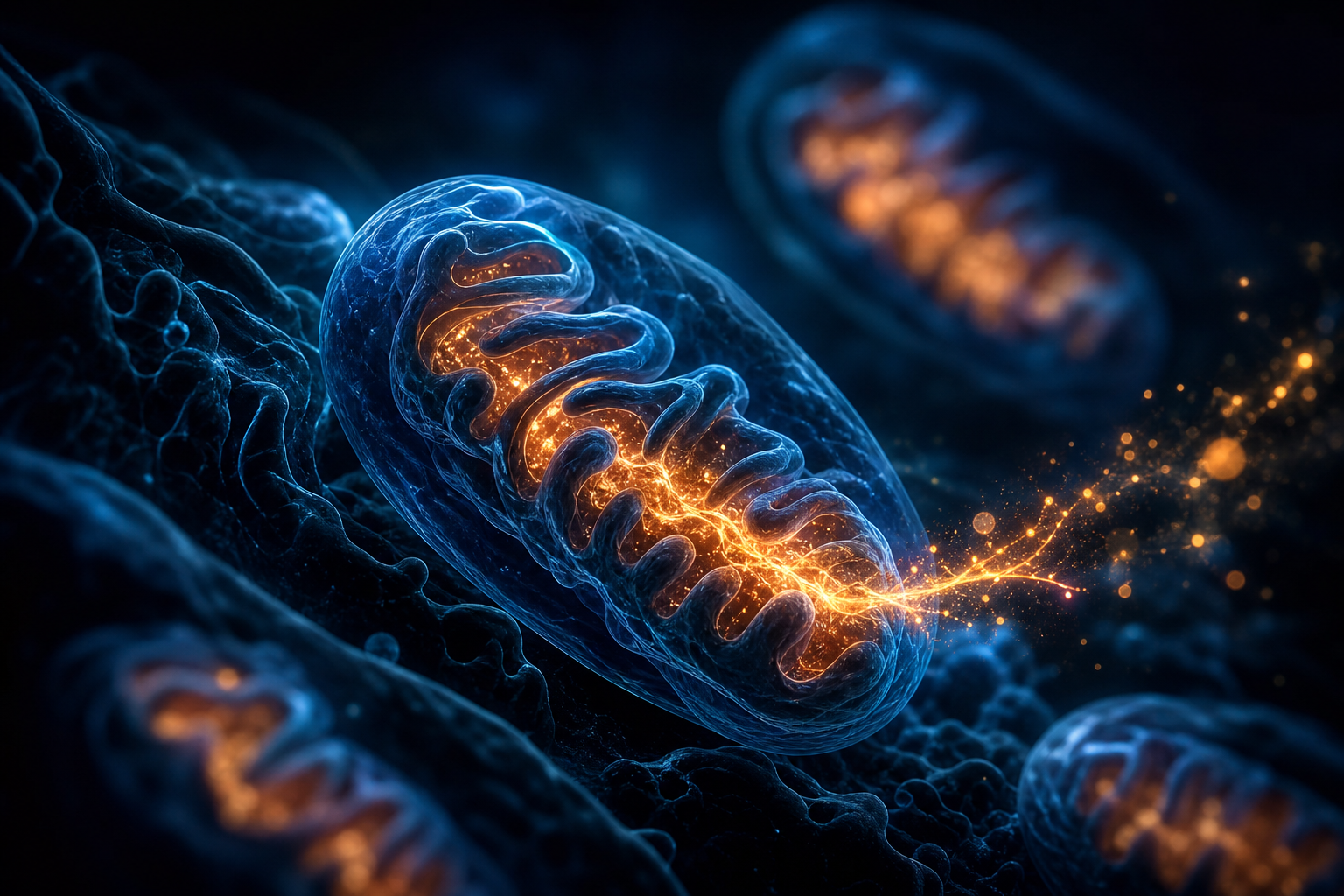
If your body is a city, your mitochondria are its power plants. These tiny structures inside your cells take the food you eat and the oxygen you breathe, and convert them into ATP — the energy currency of life. Without them, your heart can’t beat, your brain can’t think, and your muscles can’t move.
But here’s the shocking truth: mitochondria also determine how fast you age. In 2025, scientists call mitochondrial decline one of the “hallmarks of aging.” When your mitochondria falter, fatigue, memory decline, and disease accelerate. When they thrive, your body resists aging and stays vibrant.
This is the science of cellular energy and longevity — and how you can take control.
What Are Mitochondria?
Mitochondria are organelles inside nearly every cell. Their nickname, “powerhouse of the cell,” is accurate: they turn glucose, fats, and oxygen into ATP (adenosine triphosphate).
But mitochondria do much more than make energy:
-
They regulate cell death (apoptosis), preventing cancer.
-
They control hormone production (estrogen, testosterone, cortisol).
-
They manage calcium levels, vital for muscle and brain function.
-
They influence your immune system and inflammation.
When mitochondria weaken, these critical systems fail — and aging accelerates.
Unlock the Longevity Code: Mitochondria Explained!
The Link Between Mitochondria and Aging
Free Radical Damage
Mitochondria produce energy but also release free radicals (ROS — reactive oxygen species). In small amounts, these signal repair. In excess, they damage DNA, proteins, and the mitochondria themselves.
Mitochondrial Dysfunction = Faster Aging
-
Brain: Brain fog, memory decline, risk of dementia
-
Muscles: Weakness, frailty, reduced exercise endurance
-
Heart: Reduced pumping efficiency, heart failure risk
-
Skin: Loss of elasticity, wrinkles, slower healing
The Hallmark of Aging
Scientists now list mitochondrial dysfunction alongside telomere shortening and chronic inflammation as one of the core hallmarks of aging.
Authority Link: National Institute on Aging – Cellular Aging & Mitochondria
Lifestyle Factors That Damage Mitochondria
-
Ultra-Processed Foods — Poor nutrition overwhelms energy metabolism.
-
Sedentary Living — Without activity, mitochondria shrink and die off.
-
Chronic Stress — Cortisol disrupts mitochondrial DNA repair.
-
Sleep Deprivation — Prevents mitochondrial recovery.
-
Toxins & Pollution — Chemicals like pesticides directly harm mitochondria.
How to Strengthen Mitochondria
Exercise: The #1 Mitochondria Booster
Physical activity stimulates mitochondrial biogenesis (growth of new mitochondria).
-
HIIT training boosts mitochondrial function in muscles.
-
Strength training increases ATP production efficiency.
Diet: Fueling Cellular Powerhouses
-
Healthy fats (avocados, olive oil, omega-3s) support membranes.
-
Polyphenols (berries, green tea, turmeric) reduce oxidative stress.
-
Intermittent fasting stimulates mitophagy (recycling damaged mitochondria).
Supplements with Evidence
-
CoQ10 — Coenzyme needed for ATP production.
-
NAD+ boosters (NMN, NR) — Restore youthful cellular energy.
-
PQQ — Encourages growth of new mitochondria.
Authority Link: Harvard Health – Mitochondria and Health
Sleep and Recovery
During deep sleep, mitochondria repair themselves. Poor sleep leaves them damaged, which explains why even one bad night leads to fatigue and brain fog.

FAQs
Q: How do I know if my mitochondria are weak?
Common signs: chronic fatigue, brain fog, exercise intolerance, premature aging.
Q: Can I regrow mitochondria?
Yes — exercise, fasting, and nutrients stimulate mitochondrial biogenesis.
Q: Are NAD+ and CoQ10 safe?
Generally safe, but consult a doctor before supplementing.
Q: Do kids need to worry about mitochondria?
Mitochondrial health matters at every age. Habits early in life set the stage for longevity.
Summary Checklist
✅ Exercise (HIIT + strength training)
✅ Eat healthy fats and antioxidants
✅ Try fasting for cellular renewal
✅ Sleep 7–9 hours to repair mitochondria
✅ Consider CoQ10, NAD+, or PQQ under guidance
Related: Hydration and Longevity: How Water Intake Shapes Energy, Skin, and Aging


 Emma Thornton
 Rachel Summers

 Daniel Brooks
 Ashley
 James Hargreaves