 Sarah Mitchell
Why Digestive Enzymes Matter
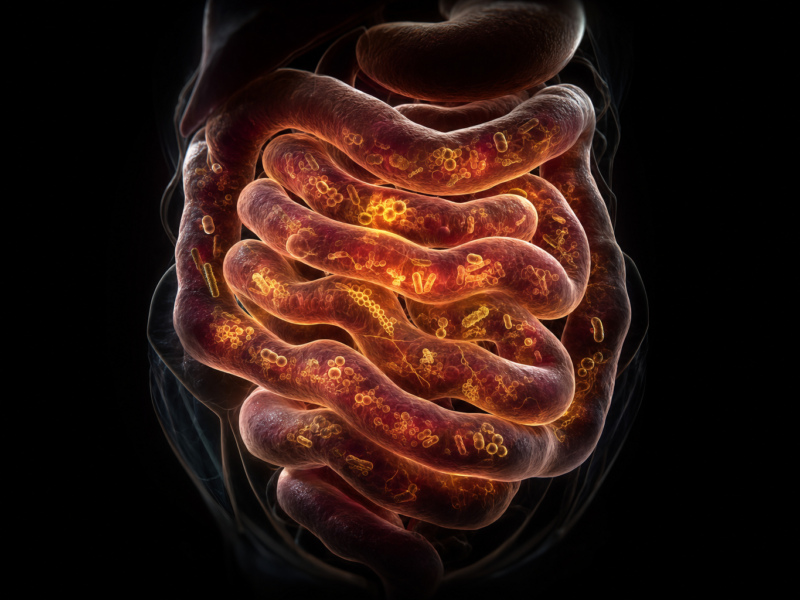
Digestion is a complex biochemical process requiring dozens of specialised enzymes — proteins that break down the food we eat into nutrients small enough to be absorbed through the intestinal wall. When enzyme production is insufficient, food components pass through the digestive tract partially digested, where gut bacteria ferment them — producing gas, bloating, discomfort, and impaired nutrient absorption. Digestive enzyme insufficiency ranges from severe clinical conditions (pancreatic exocrine insufficiency) to the very common sub-clinical insufficiency of specific enzymes (like lactase) that many adults experience. Understanding which enzymes do what — and when supplementing them makes sense — is practically valuable for anyone with chronic digestive symptoms. For the broader digestive health picture, see our complete gut health guide.
Key Digestive Enzymes and What They Do
Amylase
Amylase breaks down starch (complex carbohydrates) into simpler sugars. It is produced by both the salivary glands (salivary amylase, which begins carbohydrate digestion in the mouth) and the pancreas (pancreatic amylase, the primary enzyme for starch digestion in the small intestine). Insufficient amylase — common in pancreatic insufficiency and potentially reduced in some digestive disorders — results in incompletely digested carbohydrates reaching the colon, where bacterial fermentation produces gas and bloating.
Protease
Proteases (including pepsin from the stomach, and trypsin, chymotrypsin, and elastase from the pancreas) break down dietary protein into amino acids and peptides for absorption. Low stomach acid — very common due to widespread PPI use and age-related achlorhydria — impairs pepsin activation and is a significant but underappreciated cause of incomplete protein digestion, contributing to gas, bloating, and nutritional deficiency.
Lipase
Lipase — produced primarily by the pancreas — breaks down dietary fats into fatty acids and monoglycerides. Pancreatic lipase insufficiency results in fat malabsorption: greasy, floating, foul-smelling stools (steatorrhoea), weight loss, and fat-soluble vitamin deficiency (A, D, E, K). Lipase is the enzyme most severely depleted in pancreatic exocrine insufficiency (common in chronic pancreatitis, cystic fibrosis, and following pancreatic surgery).
Lactase
Lactase breaks down lactose (milk sugar) into glucose and galactose for absorption. Lactase production declines after weaning in approximately 65% of humans globally — a genetically programmed reduction that varies widely by ethnic background. Those with low lactase activity experience lactose intolerance: bloating, gas, abdominal pain, and diarrhoea after consuming dairy products. Lactase supplements (taken with dairy) effectively resolve symptoms and are one of the most evidence-based uses of digestive enzyme supplements. See our guide to foods that cause bloating for lactose intolerance in context.
Alpha-Galactosidase
Alpha-galactosidase breaks down galacto-oligosaccharides (GOS) — the complex sugars found in legumes, cruciferous vegetables, and some whole grains that humans cannot otherwise digest. Taking alpha-galactosidase (available as Beano and similar products) before consuming legumes or cruciferous vegetables significantly reduces gas and bloating for many people.
Do Digestive Enzyme Supplements Work?
When They Have Strong Evidence
Digestive enzyme supplements have the most compelling evidence in specific clinical scenarios: pancreatic enzyme replacement therapy (PERT) for pancreatic exocrine insufficiency is a clinical necessity; lactase supplements for lactose intolerance have consistent evidence; alpha-galactosidase for GOS-related bloating from legumes has good evidence; bromelain and papain (plant-derived proteases) have some evidence for general digestive support.
General “Digestive Enzyme” Products
Broad-spectrum digestive enzyme supplements marketed for general digestive support are less clearly evidence-based. For people with normal digestive function, supplemental enzymes provide little additional benefit — the pancreas and small intestine already produce enzymes in excess of what most meals require. For people with sub-clinical enzyme insufficiency, age-related reductions, or conditions impairing enzyme production, they may provide meaningful benefit. The key is matching the specific enzyme deficiency to the supplement — a broad-spectrum product taken randomly is less useful than targeted supplementation for an identified insufficiency.
Natural Ways to Support Enzyme Production
Eating slowly and chewing thoroughly maximises salivary amylase activity. Adequate stomach acid (supported by avoiding unnecessary long-term PPI use where possible, and ensuring zinc and B vitamin adequacy) supports pepsin activation. Apple cider vinegar and lemon juice before meals may support stomach acid production in mild insufficiency, though evidence is limited. Including enzyme-rich foods — pineapple (bromelain), papaya (papain), kiwi (actinidin), ginger (zingibain), and fermented foods (which contain microbially-produced enzymes) — provides some additional enzymatic activity with dietary benefit.
FAQ
What do digestive enzymes do?
They break down food components (carbohydrates, proteins, fats, lactose) into smaller molecules that can be absorbed through the intestinal wall. Without adequate enzymes, food components pass to the colon undigested, causing fermentation, gas, and bloating.
Should I take digestive enzymes?
Only if you have evidence of a specific enzyme insufficiency or a condition impairing enzyme production. For most people with normal digestive function, broad-spectrum enzymes provide little additional benefit. Specific enzymes (lactase, alpha-galactosidase) are well-evidenced for specific triggers.
Do digestive enzymes help with bloating?
Potentially — if the bloating is caused by poor digestion of specific substrates (lactose, GOS from legumes). Alpha-galactosidase and lactase have the best evidence for bloating reduction.
What foods are high in digestive enzymes?
Pineapple (bromelain), papaya (papain), kiwi (actinidin), ginger, mango, and fermented foods all contain digestive enzymes that may support digestion when eaten alongside meals.
Can low stomach acid cause digestive problems?
Yes — low stomach acid (hypochlorhydria) impairs pepsin activation (protein digestion), reduces the antimicrobial barrier against food-borne pathogens, and may contribute to SIBO by allowing bacteria to survive that stomach acid would normally kill.

 Emma Thornton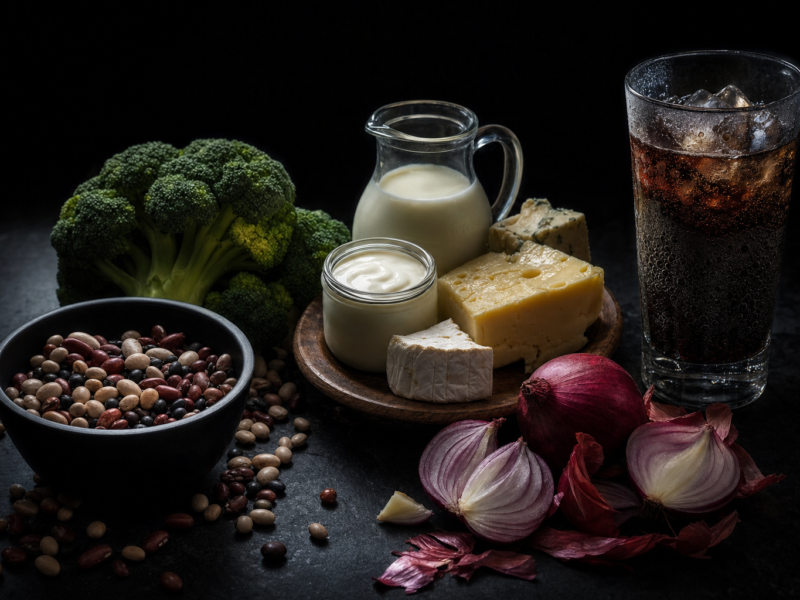
 Sarah Mitchell

 Rachel Summers
 Ashley
 James Hargreaves