 Sarah Mitchell
What Is the Gut Microbiome?
The gut microbiome is the vast ecosystem of trillions of microorganisms — bacteria, fungi, viruses, and archaea — that live primarily in your large intestine. Far from being passive passengers, these microbes are metabolically active partners that influence your immune system, inflammation levels, mental health, weight, blood sugar, and even your risk of chronic disease. The single most important dietary factor shaping the composition and diversity of this ecosystem is dietary fiber. For a complete overview of fiber types and their functions, see our complete dietary fiber guide.
How Fiber Shapes Gut Bacteria
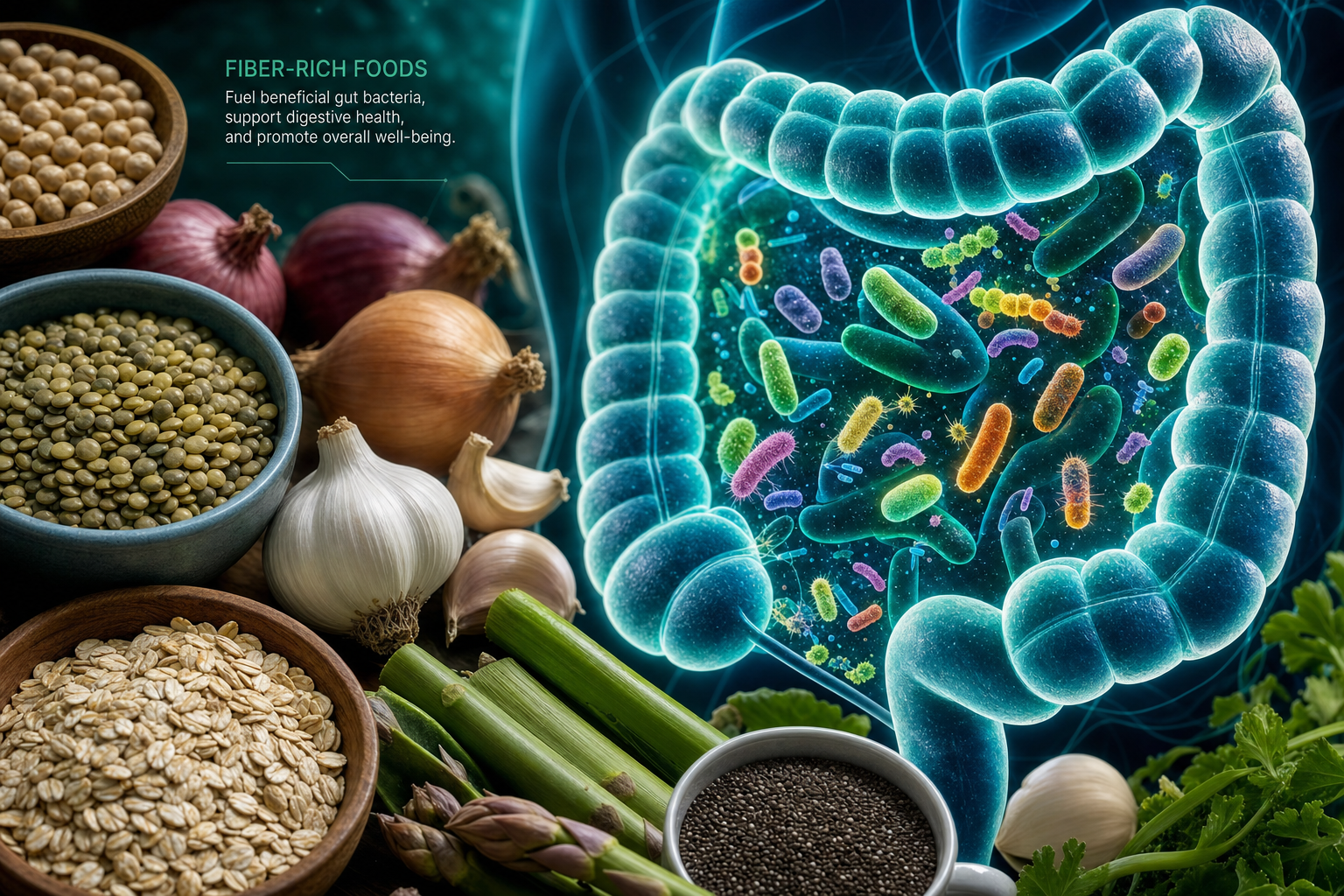
When fiber arrives in the large intestine undigested, resident bacteria ferment it — using it as their primary energy source. This fermentation process is not just about feeding bacteria; it produces a cascade of metabolites, most importantly short-chain fatty acids (SCFAs): butyrate, propionate, and acetate. These compounds are among the most health-promoting substances the human body produces, and they are almost entirely dependent on adequate fiber intake to be generated.
Butyrate — The Colon’s Superfuel
Butyrate is the preferred fuel for colonocytes — the cells lining the colon. It maintains the integrity of the intestinal barrier, reduces inflammation, regulates immune function, and plays a protective role against colorectal cancer. Low-fiber diets consistently produce low butyrate, which is associated with gut barrier dysfunction, increased inflammation, and higher colon cancer risk. High-butyrate-producing bacteria — including Faecalibacterium prausnitzii and Roseburia intestinalis — are among the most important beneficial bacteria in a healthy gut, and they thrive on fiber.
Microbiome Diversity and Fiber
Greater microbiome diversity — more different species of bacteria — is one of the strongest markers of gut and overall health. Low-diversity microbiomes are consistently associated with obesity, type 2 diabetes, inflammatory bowel disease, depression, and autoimmune conditions. The best way to increase microbiome diversity is to eat a wide variety of fiber-rich plant foods. Research from the American Gut Project found that people who ate 30 or more different plant foods per week had significantly more diverse microbiomes than those eating 10 or fewer — regardless of whether they were vegan, vegetarian, or omnivore.
Prebiotic Fiber and the Microbiome
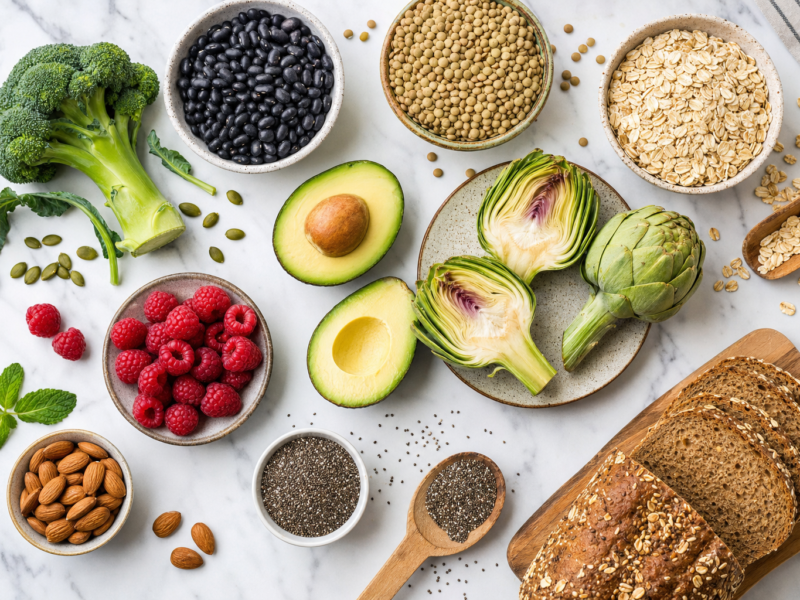
Prebiotic fiber — a specific category of soluble fiber — selectively stimulates the growth of beneficial bacteria without feeding harmful ones. Key prebiotic compounds include inulin, fructooligosaccharides (FOS), and galactooligosaccharides (GOS). These are found abundantly in garlic, onions, leeks, asparagus, Jerusalem artichokes, chicory root, bananas, and oats. Regular consumption of prebiotic-rich foods consistently increases populations of Bifidobacterium and Lactobacillus — two of the most beneficial bacterial genera — while reducing populations of potentially harmful bacteria. See our dedicated guide to prebiotic fiber foods for the best dietary sources. Our broader guide to fiber for gut health explains the full picture of how fiber and the microbiome work together.
The Microbiome, Fiber, and Disease Prevention
The connection between microbiome health and systemic disease is one of the most active areas of medical research. A fiber-rich diet that supports a diverse, healthy microbiome is consistently associated with lower rates of: type 2 diabetes (through improved glucose metabolism and reduced inflammation), cardiovascular disease (through SCFA-mediated effects on cholesterol and blood pressure), colorectal cancer (through butyrate’s protective effects on colonocytes), depression and anxiety (through the gut-brain axis), and autoimmune conditions (through immune system regulation).
How to Improve Your Microbiome With Fiber
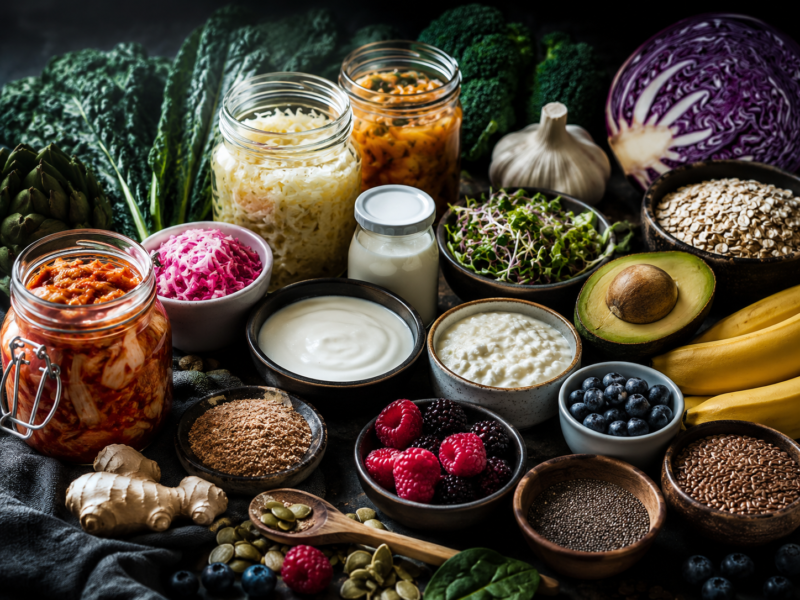
The most effective approach combines quantity and variety. Aim for 30+ grams of fiber daily from at least 20–30 different plant foods per week. Prioritise prebiotic-rich foods daily — garlic, onions, and leeks are easy to add to almost any savoury dish. Include legumes at least three times per week. Eat fermented foods alongside high-fiber foods — the combination of prebiotics (fiber) and probiotics (fermented foods) produces the greatest microbiome benefit. Introduce fiber increases gradually over 3–4 weeks to allow your microbiome to adapt without excessive gas or bloating.
FAQ
What does fiber do for gut bacteria?
Fiber is the primary fuel for beneficial gut bacteria. When bacteria ferment fiber, they produce short-chain fatty acids including butyrate, which supports gut health, immunity, and reduced inflammation.
What is microbiome diversity and why does it matter?
Diversity refers to the number of different bacterial species in your gut. Greater diversity is strongly associated with better health outcomes across virtually every system in the body.
How does fiber increase microbiome diversity?
Different types of fiber feed different bacterial species. Eating a wide variety of plant foods exposes the microbiome to diverse fiber types, stimulating growth of a broader range of beneficial bacteria.
What are the best foods for the gut microbiome?
Legumes, oats, garlic, onions, leeks, asparagus, bananas, artichokes, and a wide variety of vegetables and fruits. Combining these with fermented foods maximises microbiome benefit.
Can fiber change the gut microbiome quickly?
Yes — microbiome composition can shift measurably within 3–5 days of significant dietary changes. Sustained changes require consistent dietary habits over weeks and months.
How many plants per week is ideal for gut health?
Research suggests 30 or more different plant foods per week as the target for optimal microbiome diversity. This includes vegetables, fruits, legumes, whole grains, nuts, seeds, herbs, and spices.

 James Hargreaves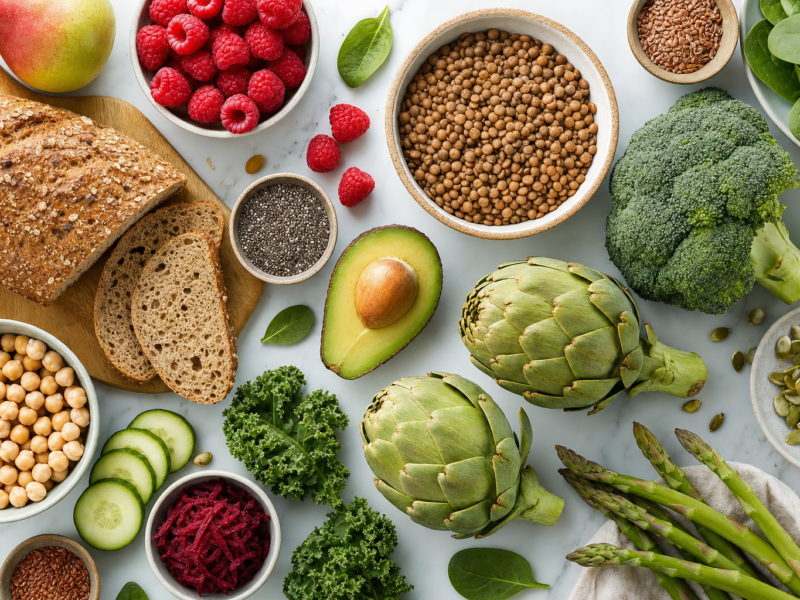
 Daniel Brooks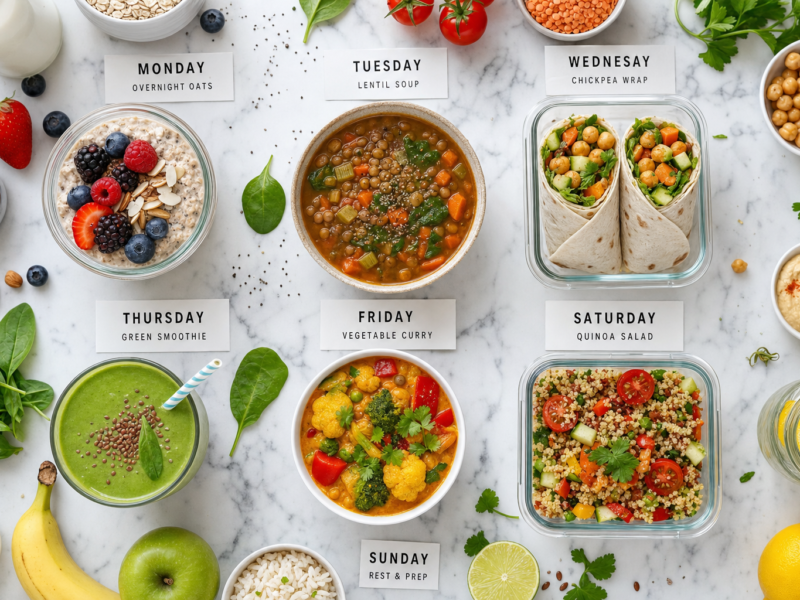
 Rachel Summers
 Ashley