James Holloway is a certified health coach and former competitive athlete who now dedicates his work to evidence-based wellness, biohacking, and performance optimization for everyday people.
A large Dutch RCT found cold showers cut sick days by 29%. Here’s what the evidence actually shows about immunity, mood, alertness, metabolism, and muscle recovery.
Red light therapy has strong evidence for skin health, muscle recovery, joint pain, and hair growth — and emerging evidence for brain health. Here’s what the research actually shows.
Cordyceps improves VO2 max, ATP production, and endurance — with a growing evidence base across athletic performance, fatigue, immunity, and blood sugar. Here’s what research shows.
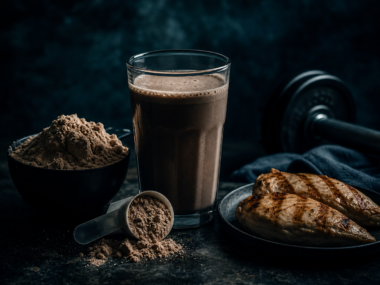
Creatine is the most-researched supplement ever — with strong evidence for strength, muscle mass, brain health, cognitive function, and depression. Here’s the complete guide.
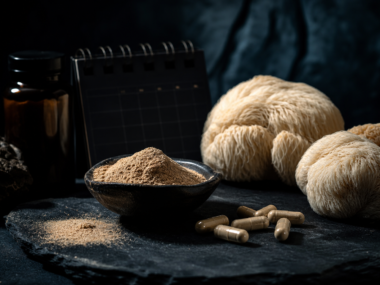
Lion’s mane produces acute focus effects within days, but significant cognitive improvements build over 4–16 weeks. Here’s a week-by-week timeline based on clinical research.
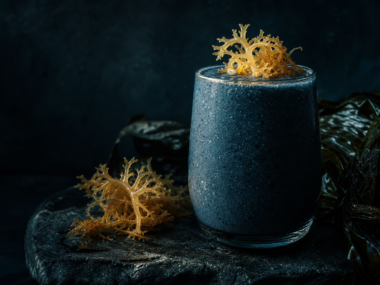
Sea moss gel has a mild, subtly oceanic flavour — close to neutral when properly prepared. Here’s exactly what to expect and the best ways to take it without tasting it.
Spermidine induces autophagy, extends lifespan in multiple animal models, and has early human evidence for cognitive protection. Here’s what it is, where to find it, and what the research shows.
Lion’s mane, turkey tail, reishi, cordyceps, chaga — each has distinct evidence-backed benefits. Here’s a complete guide to functional mushrooms and what the science actually shows.
Ashwagandha has strong evidence for increasing testosterone, improving sperm quality, boosting muscle mass and strength, and reducing cortisol in men. Here’s what the research shows.
Sauna improves skin through deep pore cleansing, dramatically increased blood flow, collagen stimulation, and improved hydration. Here’s what the evidence actually shows.
For most adults, 15–20 minutes per sauna session is the evidence-backed optimum. Here’s the complete guide to sauna duration by experience level and sauna type.
Most people benefit from cold plunging 3–4 times per week. Here’s what the science says about optimal frequency, duration, and temperature for maximum results.
There’s no direct evidence creatine causes hair loss — but one small study linked it to elevated DHT. Here’s what the science actually shows and who should be cautious.
Daily sauna use is safe and beneficial for most healthy adults. Research shows 4–7 sessions per week cuts cardiovascular disease risk by 50%. Here’s what to know.
Yes, the Oura Ring tracks steps — but it underestimates by 10–20% compared to wrist-based trackers. Here’s what it does well and where it falls short for activity tracking.
Is the Oura Ring worth $299+ and a monthly subscription? Here’s an honest look at what it actually measures, how accurate it is, and who genuinely benefits from it.
Most cold plunges last 2–5 minutes per session. Research suggests 11 minutes total per week is the threshold for metabolic benefits. Here’s the full guide to duration by goal and experience level.
Cold plunge has genuine evidence for mood, alertness, and cold tolerance. The inflammation and recovery claims are more complicated. Here’s the honest breakdown.
You don’t need an expensive cold plunge tub to get the benefits. Here’s how to cold plunge at home using a bath, chest freezer, or stock tank — with a full setup and protocol guide.
No — olive oil is a fruit oil, not a seed oil. Here’s the key difference between olive oil and seed oils like canola, sunflower, and soybean, and why it matters for your health.

 James Holloway