 James Holloway
Walk into any health food store and you’ll hear someone confidently declare that seed oils are toxic — then reach for the olive oil as the safe alternative. But is olive oil actually different from seed oils? Or is it just marketing wrapped in a Mediterranean accent?
The short answer: No, olive oil is not a seed oil. But the full picture is more interesting than a simple yes or no. Here’s exactly why olive oil sits in a completely different category — and why that distinction actually matters for your health.
What Makes an Oil a “Seed Oil”?
The name gives it away. Seed oils are extracted from the seeds of plants. Canola oil comes from rapeseed. Sunflower oil from sunflower seeds. Soybean oil from soybeans. Corn oil from corn kernels. Cottonseed oil from cotton seeds.
What they share beyond their source is how they’re made — most seed oils require industrial processing: chemical solvent extraction (often hexane), high-heat refining, bleaching, and deodorizing just to make the oil palatable. The end product is stripped of most natural nutrients and colour.
So What Is Olive Oil?
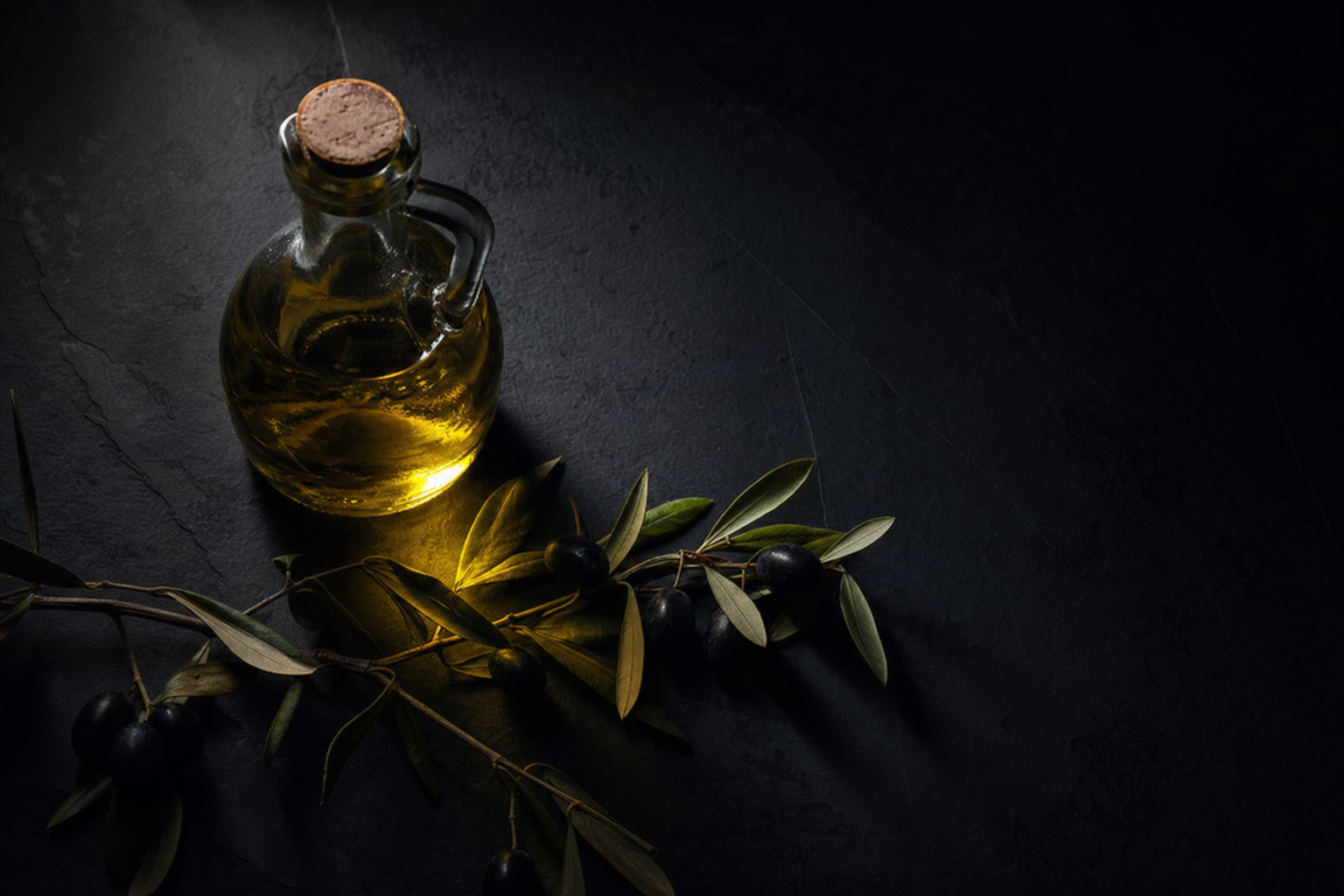
Olive oil is a fruit oil. Botanically speaking, an olive is a fruit — the fleshy drupe of the Olea europaea tree. When you press olives for oil, you’re extracting from the flesh of the fruit, not from a seed inside it.
This distinction isn’t just botanical trivia. It fundamentally changes:
- How the oil is made — olive oil can be made by simply crushing and pressing the fruit. Cold-pressed extra virgin olive oil (EVOO) requires no chemicals or heat.
- What’s in the oil — because olive oil doesn’t require industrial refining, it retains natural antioxidants, polyphenols, and oleocanthal that seed oils lose entirely in processing.
- The fat profile — olive oil is roughly 73% monounsaturated fat (oleic acid), making it chemically stable. Most seed oils are high in polyunsaturated fats (PUFAs), which are more vulnerable to oxidation under heat and light.
Olive Oil vs. Seed Oils: The Key Differences
| Feature | Olive Oil | Seed Oils (e.g. Canola, Sunflower) |
|---|---|---|
| Source | Fruit flesh of the olive | Seeds of crops |
| Processing | Cold-pressed, mechanical | Solvent-extracted, refined, bleached |
| Primary fat type | Monounsaturated (oleic acid, omega-9) | Polyunsaturated (omega-6 heavy) |
| Stability under heat | High — resistant to oxidation | Lower — prone to oxidation at high temps |
| Natural antioxidants | Yes — polyphenols, oleocanthal | Largely removed in processing |
| Omega-6 content | Low (~10%) | Very high (40–70%+) |
What About Avocado Oil and Coconut Oil?
Like olive oil, both are fruit oils — not seed oils. Avocado oil is pressed from the flesh of the avocado fruit. Coconut oil comes from the white meat (the endosperm) inside the coconut, which is technically the fruit’s flesh, not its seed.
These three — olive, avocado, and coconut — are the oils most commonly recommended as alternatives to seed oils, and their shared characteristic is that none of them require industrial chemical extraction to produce.
Is Olive Oil Actually Healthy?
The Mediterranean diet — built around olive oil as the primary fat — is one of the most studied dietary patterns in the world and consistently linked to lower rates of heart disease, cognitive decline, and all-cause mortality. The PREDIMED trial, one of the largest nutrition studies ever conducted, found that a Mediterranean diet supplemented with extra virgin olive oil reduced major cardiovascular events by 30% compared to a low-fat diet.
Extra virgin olive oil in particular contains:
- Oleocanthal — a natural anti-inflammatory compound that works similarly to ibuprofen
- Oleuropein — a polyphenol with antioxidant and antimicrobial properties
- Hydroxytyrosol — one of the most potent antioxidants found in any food
- Squalene — a natural compound associated with skin health and cancer protection
None of these compounds survive the industrial refining that seed oils undergo.
The Seed Oil Debate — What’s Actually True?
The internet is flooded with claims that seed oils are “toxic,” “inflammatory,” and responsible for everything from obesity to cancer. The reality is more nuanced.
The primary concern with seed oils is their high omega-6 polyunsaturated fat content — particularly linoleic acid. The worry is that excess omega-6, combined with insufficient omega-3, creates a pro-inflammatory environment in the body. However, 2025 research from Stanford and a major meta-analysis of 30 randomized controlled trials found that linoleic acid supplementation does not reliably increase inflammatory markers in humans.
Where seed oils do pose a more clear concern: when heated repeatedly to high temperatures (as in commercial deep fryers), they generate oxidation by-products including aldehydes and lipid peroxides, which are genuinely harmful. The problem isn’t so much the oil itself as it is the conditions under which it’s used.
The more defensible position: seed oils aren’t necessarily poison, but they’re also not nutritionally superior to olive oil, avocado oil, or other minimally processed alternatives — and there are real reasons to prefer the latter.
Which Oils Are Seed Oils? (Complete List)
To clear up any remaining confusion, here’s the full breakdown:
| Oil | Type | Source |
|---|---|---|
| Olive oil | 🟢 Fruit oil | Olive fruit flesh |
| Avocado oil | 🟢 Fruit oil | Avocado flesh |
| Coconut oil | 🟢 Fruit oil | Coconut meat |
| Canola oil | 🔴 Seed oil | Rapeseed |
| Sunflower oil | 🔴 Seed oil | Sunflower seeds |
| Soybean oil | 🔴 Seed oil | Soybeans |
| Corn oil | 🔴 Seed oil | Corn kernels |
| Vegetable oil | 🔴 Seed oil blend | Usually soy/canola mix |
| Cottonseed oil | 🔴 Seed oil | Cotton plant seeds |
| Grapeseed oil | 🔴 Seed oil | Grape seeds |
| Peanut oil | 🟡 Legume oil | Peanut (legume, not true seed) |
| Sesame oil | 🔴 Seed oil | Sesame seeds |
The Bottom Line
Olive oil is not a seed oil. It’s a fruit oil extracted from the flesh of olives, processed mechanically without industrial chemicals, and rich in monounsaturated fats and natural antioxidants that seed oils don’t contain. This makes it nutritionally and chemically distinct from canola, sunflower, soybean, and other seed-derived oils.
If you’re choosing a cooking oil for everyday use, extra virgin olive oil remains one of the most evidence-backed choices available — not because seed oils are inherently dangerous, but because EVOO brings a nutritional profile that industrially refined oils simply can’t match.
Frequently Asked Questions
No. Olive oil is a fruit oil extracted from the flesh of olives, not from a seed. This distinguishes it from seed oils like canola, sunflower, and soybean oil, which are extracted from plant seeds using industrial refining processes.
No. Avocado oil is also a fruit oil, pressed from the flesh of the avocado fruit. Like olive oil, it is not classified as a seed oil and does not require industrial solvent extraction.
The most commonly discussed seed oils include canola oil, sunflower oil, soybean oil, corn oil, cottonseed oil, grapeseed oil, and vegetable oil blends. These are high in omega-6 polyunsaturated fats and are typically produced through industrial refining processes.
The main concerns are their high omega-6 content (particularly linoleic acid), which some researchers link to inflammation, and the oxidation by-products created when they’re heated to high temperatures repeatedly. Current human research shows the inflammatory link is not conclusively proven, but avoiding repeatedly heated seed oils (like in commercial deep fryers) is a well-supported recommendation.
No. Coconut oil is extracted from the meat of the coconut, which is the fruit’s flesh, not the seed. It is classified as a tropical fruit oil and does not require industrial chemical extraction.
This article is for informational purposes only and does not constitute medical or dietary advice. Always consult a qualified healthcare or nutrition professional before making significant dietary changes.
Related reading: Why Are Seed Oils Bad?.


 Dr. Rachel Stone