 James Holloway
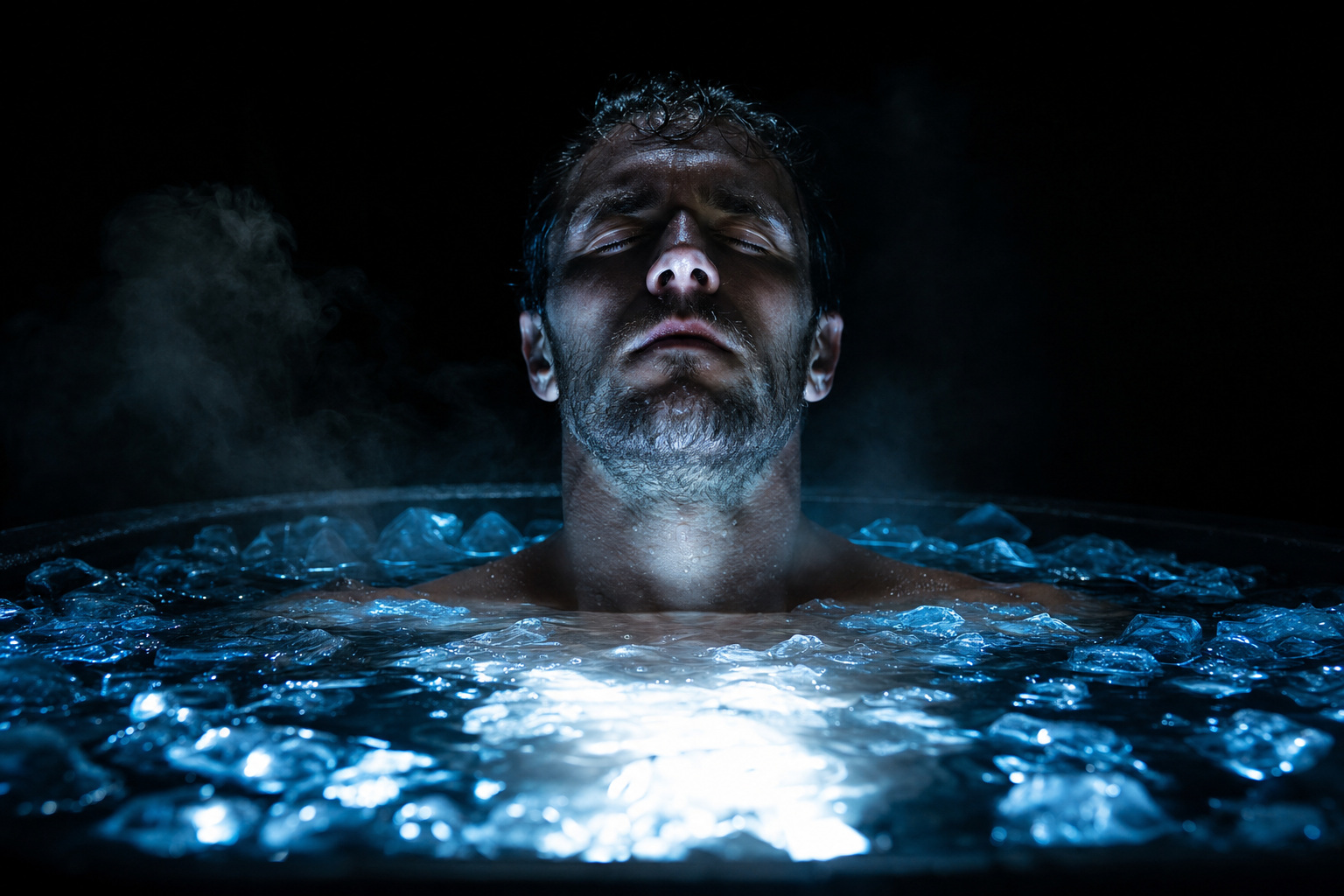
Cold water immersion has some of the most compelling science in the biohacking space — benefits for mood, recovery, metabolic health, and immune function are well-documented. But commercial cold plunge tubs cost $3,000–$10,000+. The good news: you don’t need one. Here’s exactly how to get the full benefits at home for a fraction of the cost.
What Temperature for Cold Plunging?
The therapeutic temperature range for cold water immersion is 10–15°C (50–59°F). Research showing the strongest benefits — including the Andrew Huberman-cited norepinephrine and dopamine studies — uses temperatures in this range. Below 10°C becomes significantly more extreme; above 15°C reduces the physiological stimulus.
For beginners, starting at 15°C and working down to 10°C over several weeks is the sensible approach.
Home Cold Plunge Options
Option 1: Your Bathtub (Free — Best for Beginners)
The simplest, cheapest starting point. Fill the bath with cold water and add 1–3 bags of ice (from a supermarket) to bring the temperature down. A standard bathtub holds around 150–200 litres; 5–10kg of ice will drop the temperature to approximately 12–15°C depending on starting tap water temperature. Use a thermometer to measure.
Cost: ~$2–5 per session (ice bags)
Pros: Zero setup, available immediately
Cons: Ongoing ice cost adds up; limited immersion depth; needs refilling each session
Option 2: Stock Tank / Trough ($80–$200)
A galvanised steel or polyethylene stock tank (used for livestock watering) is one of the most popular DIY cold plunge solutions. A 300–450 litre oval tank fits a full adult comfortably in a seated position. Fill with cold water, add ice or a small submersible chiller unit, and you have a functional cold plunge.
Cost: $80–$200 for the tank; ice ongoing or $200–$500 for a small chiller unit
Pros: Deep immersion, good capacity, durable, outdoor use
Cons: Requires outdoor space; no built-in filtration; ice costs ongoing without chiller
Option 3: Chest Freezer Conversion ($150–$300)
A popular DIY hack: convert a chest freezer into a cold plunge by lining it with a waterproof liner and adding a small pump and basic filtration. The freezer maintains water temperature automatically — no ice needed. A 300–400 litre chest freezer holds an adult comfortably.
What you need:
- Chest freezer (200–400L capacity) — secondhand works fine
- Waterproof liner or pond liner
- Small submersible pump (for circulation)
- Basic filter (sponge filter or small pond filter)
- Pool chlorine or bromine tablets (to keep water clean)
- Thermometer
Cost: $150–$350 total setup; minimal ongoing running cost (~$15–25/month electricity)
Pros: Maintains temperature automatically; no ice cost; long-term cost-effective
Cons: Requires DIY setup; needs outdoor or garage space; water still needs changing monthly
Option 4: Cold Shower Protocol (Free)
Not a full cold plunge, but cold showers share many of the same physiological mechanisms — particularly for mood, alertness, and metabolic activation. The James Nestor / Wim Hof-validated protocol: end every shower with 2–3 minutes of the coldest water your tap produces. Tap water in most countries is 10–18°C in winter, making this a legitimate cold stimulus.
Cold Plunge Protocol: How to Do It
- Target temperature: 10–15°C (50–59°F)
- Duration: Start with 1–2 minutes; build to 3–5 minutes over several weeks. Research by Dr. Susanna Søberg suggests 11 minutes total per week divided across sessions is the threshold for meaningful metabolic benefit
- Frequency: 3–5 sessions per week for ongoing benefits
- Breathing: Slow, controlled nasal breathing once you enter — the initial gasp response is normal; breathe through it
- After: Allow your body to rewarm naturally — do not immediately get into hot water. The shiver response and natural rewarming produce additional metabolic benefits (brown adipose tissue activation)
- Timing: Morning cold plunge produces the most alertness-promoting effect; evening cold plunge may interfere with sleep for some people
Safety
- Never cold plunge alone — particularly as a beginner; cold shock response can cause disorientation
- Do not submerge your head unless experienced
- Do not cold plunge immediately after intense exercise if you are trying to build muscle — acute inflammation after strength training is part of the adaptation signal; cold water immediately after may blunt hypertrophy
- Avoid cold plunging if you have uncontrolled cardiovascular disease, Raynaud’s disease, or cold urticaria
Frequently Asked Questions
The easiest method is your bathtub with ice bags added to cold water, targeting 10–15°C. For a more permanent setup, a galvanised stock tank ($80–$200) or a converted chest freezer ($150–$350) are the most popular and cost-effective options. Stay in for 2–5 minutes, breathe slowly, and allow your body to rewarm naturally afterwards.
10–15°C (50–59°F) is the optimal therapeutic range — cold enough to produce a meaningful physiological response without being dangerously extreme. Start at 15°C if you’re a beginner and work toward 10°C over several weeks as your cold tolerance improves.
Start with 1–2 minutes and build gradually to 3–5 minutes per session. Dr. Susanna Søberg’s research suggests 11 minutes total per week spread across multiple sessions is the threshold for meaningful metabolic benefits (brown adipose tissue activation). More than 10–15 minutes per single session provides diminishing returns and increases hypothermia risk.
Cold showers share several mechanisms with cold plunging — particularly norepinephrine and dopamine release, alertness promotion, and metabolic activation. However, full body immersion produces a larger physiological response than a shower, particularly for metabolic effects and the cold shock response. Cold showers are a good starting point and legitimate practice; cold plunges produce stronger effects.
This article is for informational purposes only. Consult a healthcare provider before starting cold water immersion if you have cardiovascular conditions or other health concerns.
Related Articles
- Benefits of Cold Plunge: What the Science Actually Shows
- How Long Does a Cold Plunge Last? Duration Guide
- How Often Should You Cold Plunge?
- Can You Use a Sauna Every Day? What Happens to Your Body
Related reading: Benefits of Cold Plunge, How Long Does a Cold Plunge Last?, How Often Should You Cold Plunge?, Benefits of Cold Showers.


 James Holloway


 Dr. Rachel Stone