 James Holloway
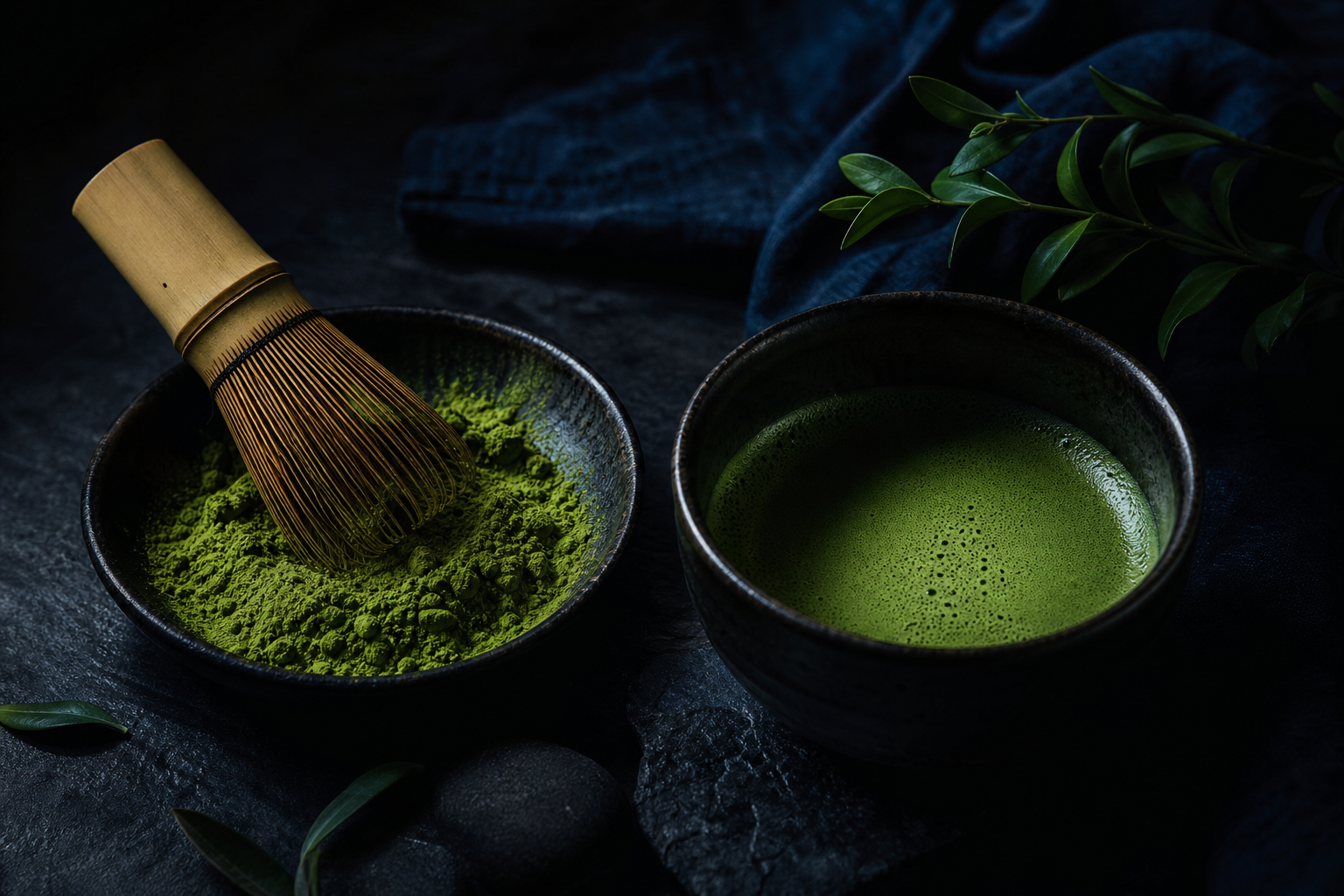
Matcha is powdered green tea — but calling it “just green tea” significantly undersells what it is. Because you consume the whole leaf rather than a steeped infusion, matcha delivers approximately 10x more EGCG than regular green tea per serving. It’s one of the most antioxidant-dense foods on the planet and has a unique cognitive effect from its exceptionally high L-theanine content.
What Makes Matcha Different from Green Tea?
Matcha is made from shade-grown tea leaves (covered for 3–4 weeks before harvest), which dramatically increases chlorophyll and L-theanine content. The leaves are stone-ground into a fine powder, which you dissolve entirely in water — consuming the whole leaf rather than discarding the steeped leaves. This means you get the full nutritional content of the tea leaf, not just what dissolves into hot water. Per gram, matcha contains approximately 10x more EGCG than brewed green tea.
Matcha Benefits
1. Calm, Focused Alertness
Matcha’s most distinctive effect is the quality of mental alertness it produces. The combination of caffeine (approximately 70mg per serving) and exceptionally high L-theanine content creates what researchers call “alert calmness” — enhanced focus, attention, and processing speed without the anxiety, jitteriness, or crash associated with coffee. L-theanine increases alpha brain wave activity (the relaxed-alert state) and directly counteracts caffeine’s anxiogenic effects. Studies show the L-theanine + caffeine combination improves sustained attention, reaction time, and memory more than either compound alone.
2. Highest EGCG Content of Any Food
EGCG (epigallocatechin gallate) is the most potent catechin in green tea and one of the most studied anti-cancer, anti-inflammatory, and metabolic compounds in nutrition. Matcha contains 137x more EGCG than China Green Tips green tea and significantly more than any other food source. A single serving of matcha provides more EGCG than multiple cups of regular green tea. This concentrated EGCG delivers measurable anti-inflammatory, cardiovascular protective, and cancer-preventive effects.
3. Metabolism and Fat Burning
Matcha’s EGCG inhibits the enzyme catechol-O-methyltransferase (COMT), which breaks down norepinephrine — the primary hormone stimulating fat oxidation. This prolongs thermogenesis and fat-burning signalling. Studies show matcha supplementation increases fat oxidation during moderate-intensity exercise by up to 17% and resting metabolic rate by 3–4%. A 2018 study in women found 3 weeks of matcha consumption before walking exercise significantly increased fat burning compared to placebo.
4. Liver Health
Animal studies show matcha is particularly protective for the liver, reducing fat accumulation and inflammatory markers in non-alcoholic fatty liver disease models. Human studies suggest regular matcha consumption reduces liver enzyme levels (ALT, AST) and provides hepatoprotective effects. The chlorophyll content in matcha (elevated by shade-growing) also supports detoxification pathways.
5. Antioxidant Power
Matcha has an ORAC (Oxygen Radical Absorbance Capacity) score of approximately 1,384 units per gram — significantly higher than blueberries (93 units/g), goji berries (253 units/g), and dark chocolate (227 units/g). This extraordinary antioxidant density neutralises free radicals that drive cellular ageing, DNA damage, and chronic disease. The combination of EGCG, other catechins, chlorophyll, and vitamin C provides multi-pathway antioxidant protection.
6. Cardiovascular Benefits
Consistent with green tea research but amplified by higher EGCG concentrations, matcha reduces LDL oxidation, improves endothelial function, lowers blood pressure through ACE inhibition, and reduces platelet aggregation. Regular matcha consumption is associated with lower cardiovascular disease risk in Japanese population studies.
Matcha vs Coffee: A Comparison
| Factor | Matcha | Coffee |
|---|---|---|
| Caffeine per serving | ~70mg | ~95mg |
| L-theanine | High (25–60mg) | None |
| Alertness quality | Calm, sustained focus | Sharp, can cause anxiety |
| EGCG | Very high | None |
| Antioxidants | Exceptionally high (ORAC) | Moderate (chlorogenic acids) |
| Crash potential | Low | Moderate-high |
Frequently Asked Questions
Matcha’s key benefits are: calm focused alertness from L-theanine + caffeine (without coffee anxiety or crash), extremely high EGCG content for anti-inflammatory and anti-cancer effects, enhanced fat burning and metabolism support, liver protection, cardiovascular health, and exceptional antioxidant capacity — the highest ORAC score of any commonly consumed food. It provides all green tea benefits at 10x the concentration per gram.
Yes — significantly. Because you consume the whole leaf as powder, matcha provides approximately 10x more EGCG and other catechins than brewed green tea. It also contains more L-theanine (due to shade-growing) and more chlorophyll. One quality serving of ceremonial-grade matcha is equivalent in antioxidants to 10 cups of regular green tea. For health benefits, matcha is the superior choice.
1–2 servings (1–4g matcha powder) daily is a reasonable target for health benefits. Three or more servings daily significantly increases caffeine intake, which may cause issues for caffeine-sensitive people. High-dose matcha supplementation (extract form) should be taken with food — concentrated EGCG on an empty stomach has been associated with liver stress in some cases. For daily wellness, 1–2 ceremonial-grade matcha preparations per day is optimal.
This article is for informational purposes only. Matcha contains caffeine and vitamin K. Consult a healthcare provider if you take blood thinners or are caffeine-sensitive.
Related reading: Does Matcha Have Caffeine?, What Does Matcha Taste Like?, Green Tea Benefits.

 Daniel Brooks
 Elena Voss
 Emma Thornton