 James Holloway
Spermidine has quietly become one of the most exciting longevity compounds in modern geroscience. Unlike most anti-aging supplements backed primarily by marketing, spermidine has a plausible mechanism, strong animal data, and growing human evidence. Here’s what it is and why researchers are paying close attention.
What Is Spermidine?
Spermidine is a naturally occurring polyamine — a small molecule found in virtually all living cells. It’s produced endogenously (your cells make it), consumed in food, and synthesised by gut bacteria. Spermidine was first isolated from human semen in the 17th century (hence the name), but it’s present in every tissue of the body and plays fundamental roles in cell growth, gene expression, protein synthesis, and — most importantly for longevity research — autophagy.
The Autophagy Connection
Spermidine’s most compelling biological property is its ability to induce autophagy — the cellular “self-cleaning” process in which damaged proteins, dysfunctional organelles, and cellular debris are broken down and recycled. Autophagy is one of the most fundamental longevity mechanisms identified in modern biology. Reduced autophagy with age is associated with neurodegeneration, cancer, metabolic dysfunction, and accelerated cellular ageing.
Spermidine is one of the most potent natural autophagy inducers known — comparable in some models to rapamycin (the mTOR inhibitor that extends lifespan in animals) but without rapamycin’s significant immunosuppressive side effects. The ability to induce autophagy through a dietary compound is remarkable and explains much of the scientific excitement around spermidine.
Animal Research: Lifespan Extension
The animal research on spermidine is striking:
- In yeast, worms (C. elegans), flies (Drosophila), and mice, spermidine supplementation consistently extends lifespan — by 10–30% in various models
- In aged mice, spermidine supplementation restored cardiac function to that of significantly younger mice
- Spermidine-fed mice showed reduced neurodegeneration, improved memory, and reduced amyloid accumulation
- Female mice given spermidine showed improvements in ovarian ageing and fertility preservation
Human Evidence
Human research is earlier-stage but promising:
- A large epidemiological study of over 800 adults found that higher dietary spermidine intake was associated with significantly lower all-cause mortality and reduced cardiovascular disease risk over 20 years of follow-up
- A 2021 double-blind pilot RCT in cognitively healthy older adults found that 3 months of high-spermidine wheat germ extract supplementation significantly improved memory performance compared to placebo — the first human trial showing cognitive effects
- Blood spermidine levels decline with age — a decline that correlates with increased inflammatory markers and worse cardiovascular outcomes in observational research
Foods High in Spermidine
Spermidine is found naturally in many common foods — getting it through diet is entirely feasible:
| Food | Spermidine Content |
|---|---|
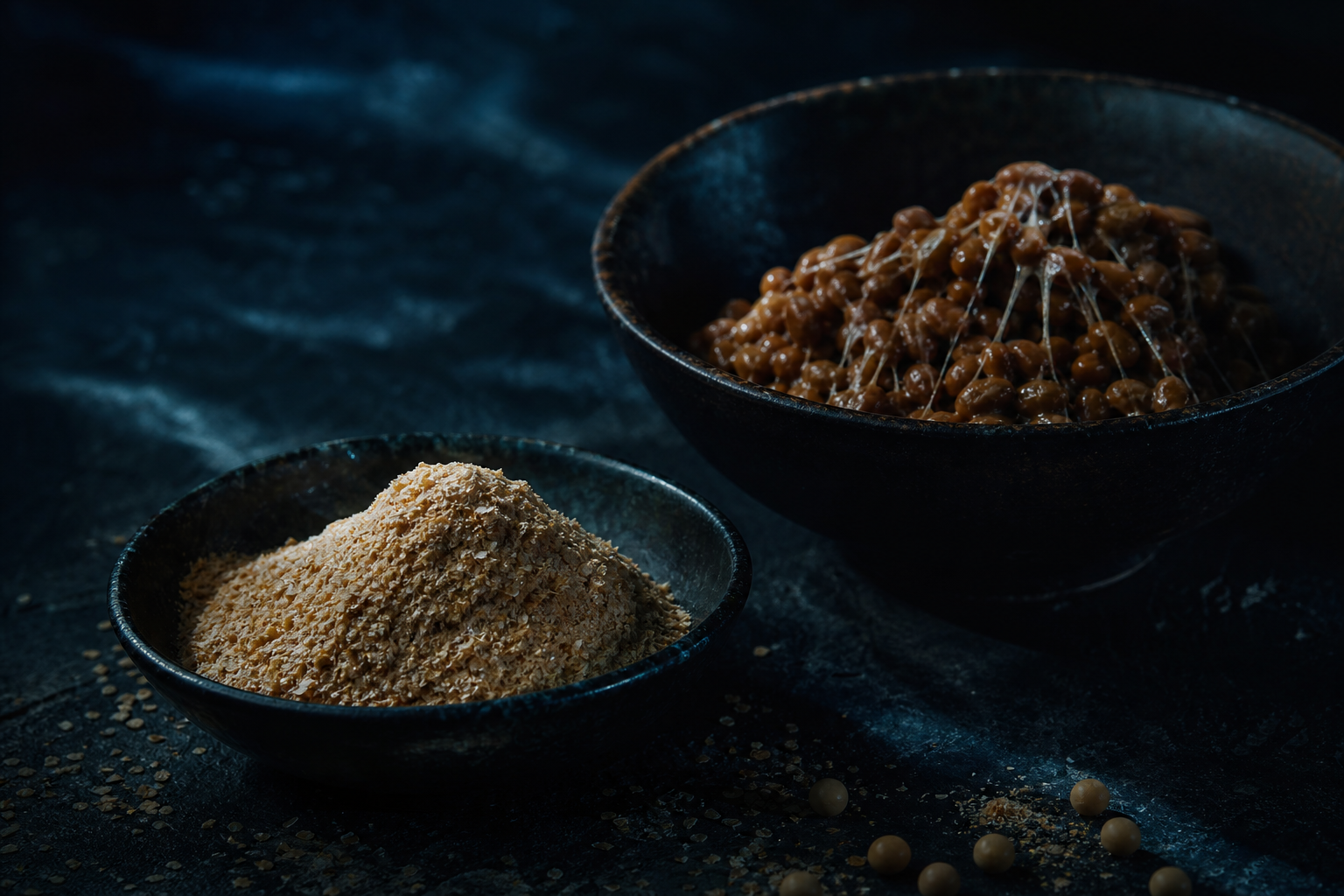
| Wheat germ | ~243 mg/kg — highest known food source |
| Natto (fermented soybeans) | ~208 mg/kg |
| Dried soybeans | ~207 mg/kg |
| Mature cheese (especially aged) | ~50–90 mg/kg |
| Mushrooms | ~89 mg/kg |
| Chicken liver | ~48 mg/kg |
| Green peas | ~32 mg/kg |
| Broccoli | ~31 mg/kg |
Supplementation
Wheat germ extract is the most common spermidine supplement form, standardised to a specific spermidine concentration. The pilot RCT used approximately 1.2mg of spermidine daily (via wheat germ extract). This is a low dose — observational research suggests intakes of 10–15mg daily from food are associated with the most significant longevity associations, suggesting higher doses from supplementation may be needed for clinical effect. Research on optimal supplemental dosing is ongoing.
Frequently Asked Questions
Spermidine is a naturally occurring polyamine found in all living cells. Its most significant biological property is potent autophagy induction — stimulating the cellular self-cleaning process that degrades damaged proteins and organelles. Declining spermidine levels with age are associated with reduced autophagy, increased inflammation, and accelerated biological ageing. Supplementation has extended lifespan in multiple animal models and shown cognitive benefits in the first human trial.
The richest dietary sources of spermidine are wheat germ (~243mg/kg), natto (fermented soybeans, ~208mg/kg), dried soybeans (~207mg/kg), aged cheeses (~50–90mg/kg), mushrooms (~89mg/kg), and chicken liver (~48mg/kg). Regular consumption of wheat germ and natto provides the highest spermidine intake from food.
Lifespan extension has been demonstrated in yeast, worms, flies, and mice — consistently 10–30% longer lifespan in various models. In humans, higher dietary spermidine intake is associated with significantly lower all-cause mortality and cardiovascular disease risk in epidemiological research. Direct proof of human lifespan extension from supplementation doesn’t yet exist, as no clinical trial has run long enough to measure this outcome.
The pilot human RCT found no significant adverse effects at the dose used. Spermidine is a naturally occurring compound present in all food, so moderate dietary and supplemental intake appears well-tolerated. Long-term safety data at higher supplemental doses are still limited. Pregnant women and people with active cancer should consult a doctor before use, as autophagy induction has complex effects in cancer contexts.
This article is for informational purposes only. Spermidine supplementation research is early-stage; consult a healthcare professional before supplementing.
Related reading: Foods High in Spermidine, Longevity Supplements, What Is NAD+?, Autophagy and Aging.


 Sarah Mitchell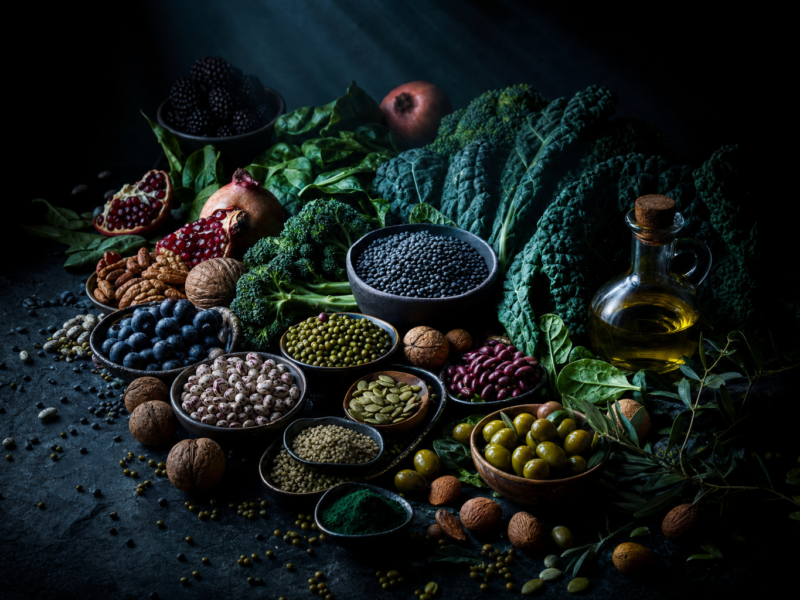
 Elena Voss
 Daniel Brooks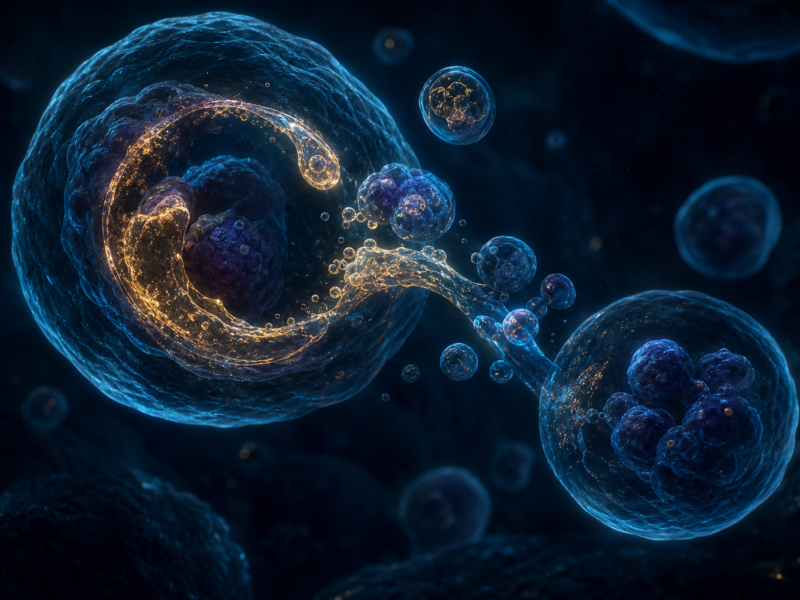
 Emma Thornton
 James Hargreaves