 James Holloway
SIBO — Small Intestinal Bacterial Overgrowth — is one of the most underdiagnosed conditions in modern medicine. It’s estimated to affect up to 15% of healthy people and up to 80% of people with IBS. Yet most people with SIBO spend years being misdiagnosed with IBS, anxiety, or “stress” before getting answers.
What Is SIBO?
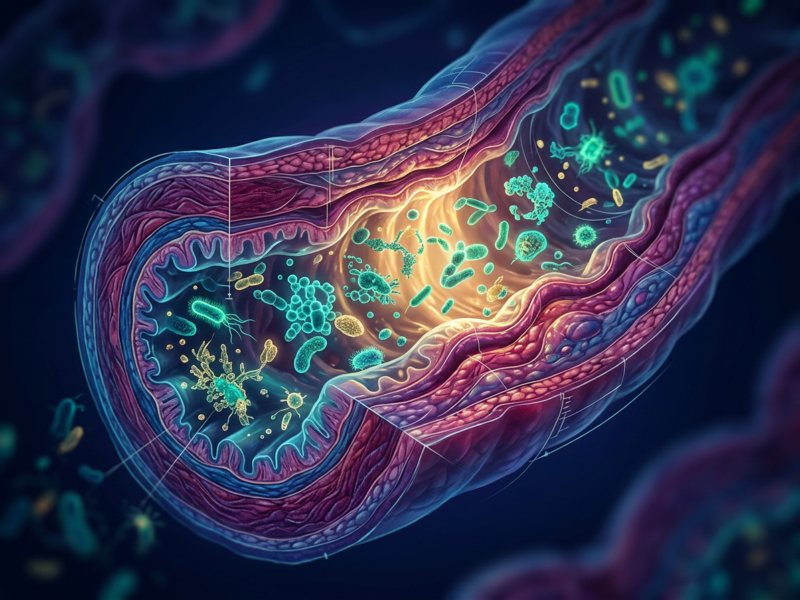
SIBO occurs when bacteria that normally live in the large intestine migrate and overpopulate the small intestine. The small intestine is supposed to be relatively sterile — it’s where nutrient absorption happens. When bacteria colonise it, they ferment carbohydrates before absorption, producing hydrogen and methane gases that cause symptoms. There are three types: hydrogen-dominant SIBO (associated with diarrhoea), methane-dominant SIBO (also called intestinal methanogen overgrowth, or IMO, associated with constipation), and hydrogen sulphide SIBO (associated with diarrhoea and sulphur-smelling gas).
SIBO Symptoms
Primary Digestive Symptoms
- Bloating — often severe; the most characteristic symptom of SIBO; typically worsens throughout the day and after eating carbohydrates; many describe a flat stomach in the morning that becomes visibly distended by evening
- Abdominal distension — visible swelling of the abdomen, not just sensation
- Excessive gas and flatulence — particularly after eating fermentable carbohydrates (fruits, vegetables, legumes, grains)
- Abdominal pain and cramping
- Diarrhoea — in hydrogen-dominant SIBO; often loose, urgent stools shortly after eating
- Constipation — in methane-dominant SIBO; methane gas slows gut motility significantly
- Alternating constipation and diarrhoea — in mixed-type SIBO
- Nausea
- Burping — belching can indicate bacterial fermentation in the upper GI tract
Nutritional Deficiency Symptoms
- Iron deficiency anaemia — SIBO bacteria consume dietary iron before absorption
- B12 deficiency — bacteria consume B12 in the small intestine
- Fat-soluble vitamin deficiencies (A, D, E, K) — SIBO impairs fat absorption through bile acid deconjugation
- Unexplained weight loss — from malabsorption
- Fatty stools (steatorrhoea) — from fat malabsorption
Systemic Symptoms
- Fatigue — from nutritional deficiencies and systemic inflammation
- Brain fog — bacterial toxins enter systemic circulation
- Joint pain — immune activation from bacterial LPS
- Skin issues — rosacea is particularly strongly associated with SIBO; eczema and acne also linked
- Anxiety and depression — gut-brain axis dysregulation
- Restless legs syndrome — associated with SIBO-related iron deficiency
What Causes SIBO?
- Impaired migrating motor complex (MMC) — the “housekeeping wave” that sweeps bacteria from the small intestine between meals; disrupted by stress, frequent snacking, hypothyroidism, and certain medications
- Low stomach acid — acid kills bacteria before they reach the small intestine; PPIs and ageing reduce acid
- Previous gut infection or food poisoning — post-infectious IBS frequently involves SIBO
- Structural abnormalities — adhesions, strictures, diverticula
- Hypothyroidism — slows gut motility, impairs MMC
- Diabetes — autonomic neuropathy impairs gut motility
How Is SIBO Diagnosed?
The gold standard is small intestinal aspirate and culture (invasive). The most practical test is the lactulose or glucose breath test — measuring hydrogen and methane gas production after drinking a sugar solution. Elemental breath tests can now be done at home through companies like Trio-Smart, which measures all three gas types including hydrogen sulphide. Test with a doctor or functional medicine practitioner for accurate interpretation.
Frequently Asked Questions
The hallmark SIBO symptoms are severe bloating (often worse after eating and by end of day), excessive gas, abdominal distension and pain, and altered bowel habits (diarrhoea in hydrogen-dominant, constipation in methane-dominant). Systemic symptoms include fatigue, brain fog, nutritional deficiencies (B12, iron, fat-soluble vitamins), skin issues (especially rosacea), and joint pain.
SIBO and IBS overlap significantly — up to 80% of IBS cases may involve SIBO. Key distinguishing features of SIBO: bloating that worsens specifically after eating fermentable carbohydrates (fruits, vegetables, legumes), morning flat stomach that becomes severely distended by evening, nutritional deficiencies (B12, iron, fat-soluble vitamins), and rosacea. A lactulose breath test can differentiate SIBO from functional IBS.
Rarely — SIBO typically requires active treatment. Antibiotics (rifaximin is the most studied, or neomycin for methane-dominant) are the primary treatment. Herbal antimicrobial protocols (berberine, oregano oil, allicin) show comparable efficacy to rifaximin in some studies. Crucially, treating SIBO without addressing the underlying cause (low stomach acid, impaired MMC, hypothyroidism) leads to frequent recurrence.
This article is for informational purposes only. SIBO diagnosis and treatment should be managed by a healthcare provider or specialist. Do not self-treat with antibiotics.
Related reading: Leaky Gut Symptoms, How to Heal Leaky Gut, Is Kimchi Good for Gut Health?, Best Probiotic Strains.


 Dr. Maya Chen
 Elena Voss
 Daniel Brooks
 Emma Thornton