 Elena Voss
Reishi mushroom (Ganoderma lucidum) has been used in traditional Chinese and Japanese medicine for over 2,000 years, earning the title “mushroom of immortality.” In recent years it’s crossed into Western wellness culture — found in lattes, supplements, and wellness stacks. But online, a persistent question has emerged: is reishi mushroom psychedelic? Does it get you high?
The answer: no — reishi mushroom is not psychedelic, does not produce hallucinations, and will not get you high. Here’s what it does do, and why people confuse it with psychedelic mushrooms.
Is Reishi Mushroom Psychedelic?
No. Reishi mushroom contains no psilocybin, psilocin, or any other psychoactive or hallucinogenic compound. It is not classified as a controlled substance in any country. You can consume it in any quantity without experiencing any psychedelic, hallucinogenic, or euphoric effect.
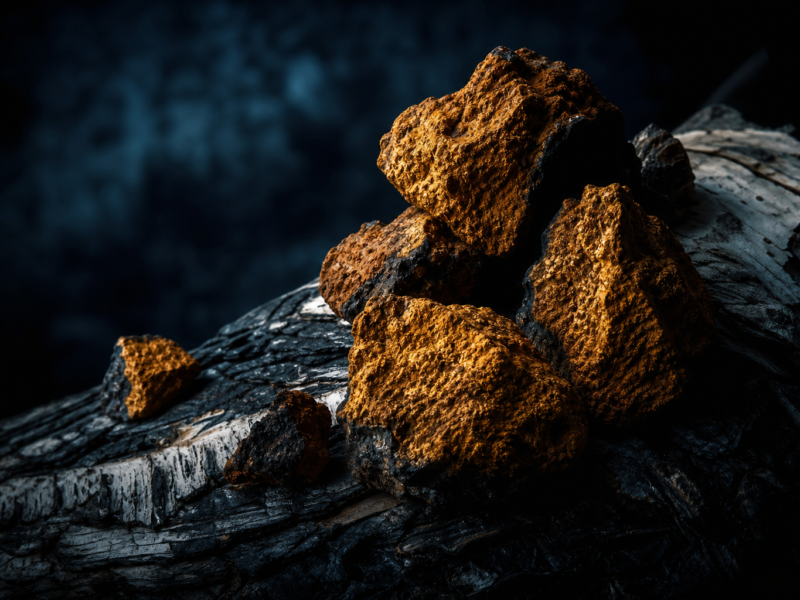
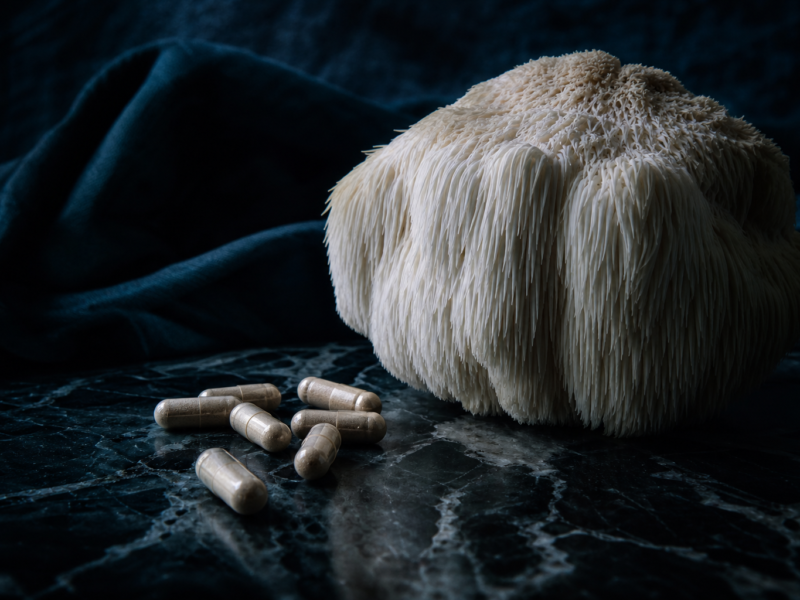
Reishi is a functional mushroom — a category that includes lion’s mane, chaga, turkey tail, and cordyceps. These are medicinal mushrooms with documented health benefits, but none produce psychoactive effects. They are entirely distinct from “magic mushrooms” (Psilocybe species), which contain psilocybin.
Why People Think Reishi Might Be Psychedelic
- The word “mushroom” — “magic mushrooms” and medicinal mushrooms are both mushrooms, but share nothing else in common pharmacologically
- Calming and sleep-promoting effects — reishi’s triterpenes have adaptogenic properties that reduce anxiety and promote relaxation; some people misinterpret this feeling as an altered state
- Marketing language — wellness brands sometimes use mystical or spiritual language around reishi (“unlocks ancient wisdom,” etc.) that implies an altered-consciousness effect
- Dream intensity — some regular reishi users report unusually vivid dreams, likely related to reishi’s effects on sleep architecture rather than any psychoactive mechanism
What Reishi Actually Does to the Body and Mind
Immune Modulation
Reishi’s beta-glucan polysaccharides are among the most studied immune-modulating compounds in the natural world. They activate macrophages, natural killer cells, and dendritic cells — enhancing the body’s immune surveillance without causing an inflammatory overresponse. This is distinct from simply “boosting immunity” — reishi modulates and balances immune activity.
Adaptogenic and Anti-Anxiety Effects
Reishi’s triterpenes (particularly ganoderic acids) have demonstrated anxiolytic effects in animal and some human studies — reducing cortisol, supporting adrenal function, and calming the nervous system without sedation. This produces a relaxed, clear-headed state that is not psychedelic but can be noticeably calming.
Sleep Support
Reishi has documented sleep benefits — not through sedation, but through its effects on the parasympathetic nervous system and its ability to lower cortisol. Studies show reishi increases total sleep time and improves sleep quality, particularly in people with fatigue-related sleep disruption.
Anti-Cancer and Liver-Protective Effects
Reishi has significant anti-tumour research — it’s used adjunctively in cancer treatment in Japan and China. It also has hepatoprotective (liver-protective) properties through its triterpene content. These are well-documented and clinically meaningful, but have nothing to do with psychoactive effects.
Reishi vs Magic Mushrooms: The Key Differences
| Feature | Reishi (Ganoderma lucidum) | Magic Mushrooms (Psilocybe spp.) |
|---|---|---|
| Psychoactive? | No | Yes |
| Active compounds | Beta-glucans, triterpenes, polysaccharides | Psilocybin, psilocin |
| Legal status | Legal everywhere | Schedule I in most countries |
| Effects | Immune support, calm, sleep, anti-inflammatory | Hallucinations, altered perception, ego dissolution |
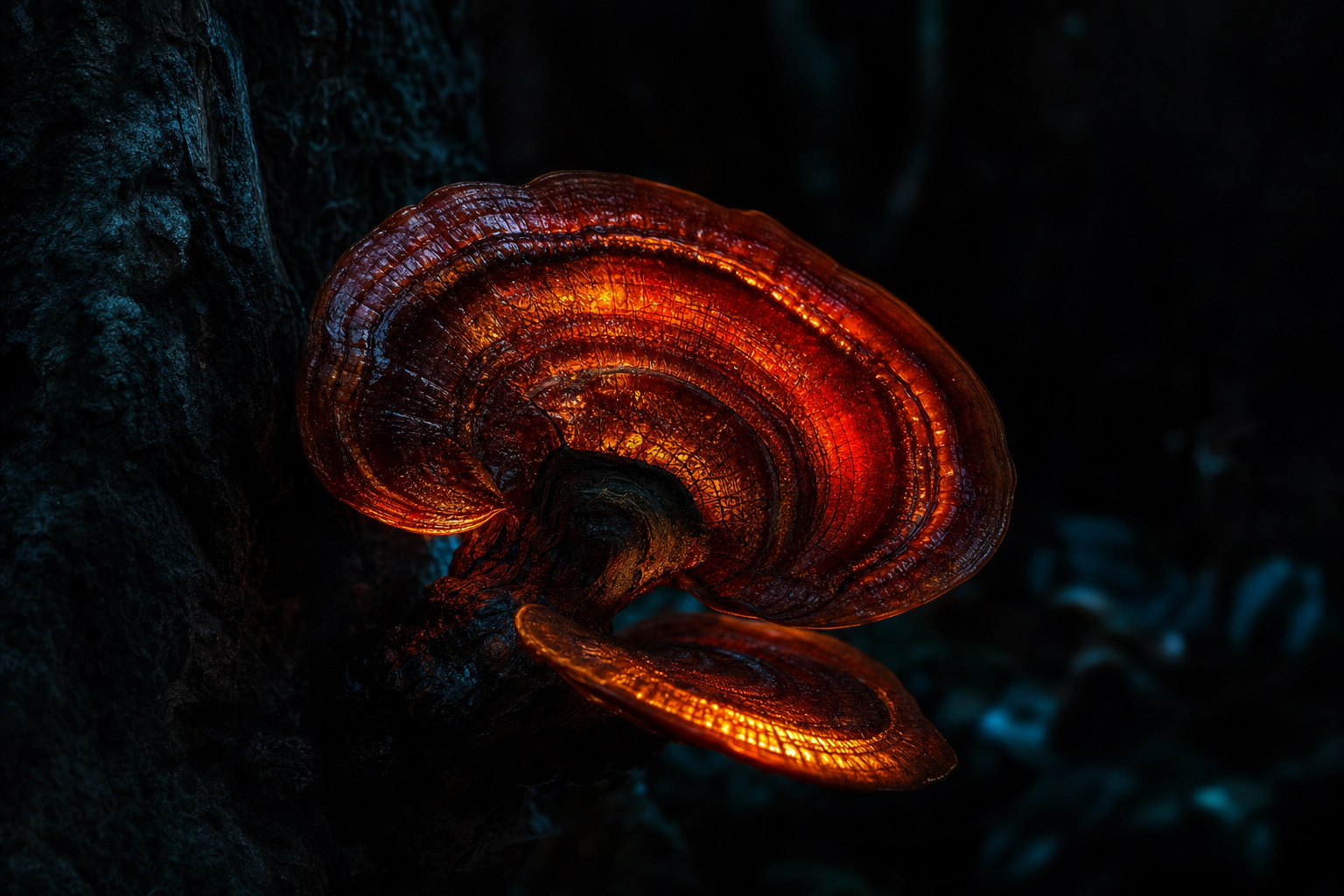
| Appearance | Shelf-like, red-brown, shiny | Small brown caps, various Psilocybe species |
Frequently Asked Questions
No — reishi mushroom contains no psilocybin, psilocin, or any other psychoactive compound. It will not produce hallucinations, euphoria, or altered perception. It is a legal, functional medicinal mushroom with documented effects on immunity, sleep, and stress response.
No. Reishi has no psychoactive compounds and produces no high or altered state. Some users experience a calming or relaxing effect from its adaptogenic triterpenes and cortisol-lowering properties — but this is a subtle reduction in stress and anxiety, not an intoxicating or psychedelic experience.
Some regular reishi users report more vivid dreams, likely related to reishi’s effects on sleep architecture — particularly its ability to increase slow-wave and potentially REM sleep. More vivid dreaming is not a psychedelic effect; it’s a consequence of improved sleep depth and quality. This is a well-documented side effect of better sleep in general.
The most researched and evidence-supported benefits of reishi include: immune system modulation (activation of NK cells and macrophages), reduced anxiety and cortisol through adaptogenic triterpenes, improved sleep quality and duration, liver protection through ganoderic acids, and anti-tumour properties used adjunctively in cancer care in Asia. None of these involve psychoactive effects.
This article is for informational purposes only. Reishi mushroom supplements may interact with certain medications. Consult a healthcare provider before use.
Related reading: Reishi Mushroom Benefits, Benefits of Functional Mushrooms, Cordyceps Benefits, Is Turkey Tail Mushroom Good for You?.


 Elena Voss
 Dr. Maya Chen
 James Holloway
 Dr. Rachel Stone