Dr. Rachel Stone is a functional medicine practitioner with a background in endocrinology and women's health. She specializes in thyroid disorders, hormone balancing, and gut-brain connections.
Mouth taping promotes nasal breathing during sleep, reducing snoring and improving oxygenation. Here’s what the research shows, the safety considerations, and how to start.
Maca root has clinical evidence for libido, menopause symptoms, sperm quality, and energy — without directly raising sex hormones. Here’s what the research actually shows.
Reishi mushroom has over 2,000 years of traditional use and a growing modern evidence base. Here’s what research shows about its immune, sleep, liver, and anti-cancer properties.
Vitamin D deficiency affects 1 billion people and drives fatigue, bone pain, poor immunity, and low mood. Here’s what optimal levels look like and how much to supplement.
16:8 is the most studied IF protocol, but 18:6 produces stronger autophagy. Here’s a research-based comparison of every major intermittent fasting schedule and which one suits your goals.
Women over 50 lose collagen rapidly after menopause. Here’s what clinical research shows works best — marine vs bovine, skin vs bone vs joints, and exact dosage guidance.
Human RCTs show lion’s mane reduces anxiety scores at 4 weeks. Here’s the mechanism — NGF stimulation, neuroinflammation reduction, and gut-brain axis effects — and how to use it.
Multiple RCTs show ashwagandha reduces anxiety scores by 30–44% and cortisol by up to 28% over 60 days. Here’s how it works and who it’s best suited for.
Adults need 1.5–2 hours of deep sleep per night. Here’s what happens without enough, why it declines with age, and the most effective evidence-based ways to increase it.
Magnesium activates GABA receptors, regulates melatonin, and lowers cortisol — all key for sleep. Here’s what the research shows and which form works best.
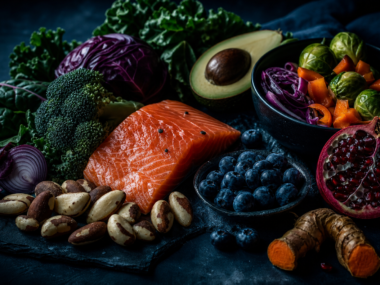
Berries, extra virgin olive oil, fatty fish, leafy greens, and pomegranate have the strongest evidence for slowing biological ageing. Here’s the science behind each one.
Autophagy starts meaningfully increasing at 12–16 hours of fasting, with significant activation at 24 hours and peak levels at 48–72 hours. Here’s the full timeline.
GLP-1 agonists like semaglutide and tirzepatide lead the evidence base for peptide weight loss. Here’s a complete guide to what works, what’s approved, and what the risks are.
Urine mycotoxin tests, the VCS test, CIRS blood panels, and HLA-DR genetic testing are the main ways to test for mold toxicity. Here’s exactly what to test and where to go.
Yes — magnesium and melatonin are safe to take together and work through complementary sleep mechanisms. Here’s what each does, whether they interact, and the best way to combine them.
The best time to take magnesium depends on your goal and the form. For sleep, take glycinate at night. For energy, take malate in the morning. Here’s the complete timing guide.
Finnish sauna use is associated with significantly lower cardiovascular mortality in large cohort studies. Here’s what the evidence shows, how it works, and who should be cautious.
Fasting, exercise, low protein intake, coffee, and spermidine are the most evidence-backed ways to increase autophagy. Here’s the complete guide with timeframes and practical protocols.
Ashwagandha takes 2–4 weeks for initial effects and 8–12 weeks for full benefit. Here’s the exact timeline from clinical research for each health goal.
Ashwagandha doesn’t directly raise oestrogen — it reduces cortisol, which indirectly supports hormonal balance. Here’s what the research actually shows.
Clinical research shows ashwagandha reduces cortisol by 22–28%, improves sexual function, supports thyroid health, enhances sleep, and reduces menopause symptoms in women.
Fatigue, weight gain, hair loss, brain fog — these could all be thyroid warning signs hiding in plain sight. Learn the 12 key symptoms of thyroid dysfunction, how they differ in men and women, and exactly when to get tested.
Caloric restriction is the most consistently replicated longevity intervention in biology. Here’s what the human evidence actually shows and the practical alternatives that activate the same pathways.
The longevity diet is predominantly plant-based, rich in legumes, olive oil, nuts, and whole grains — with moderate protein and time-restricted eating. Here’s the complete framework.

 Dr. Rachel Stone