 Dr. Maya Chen
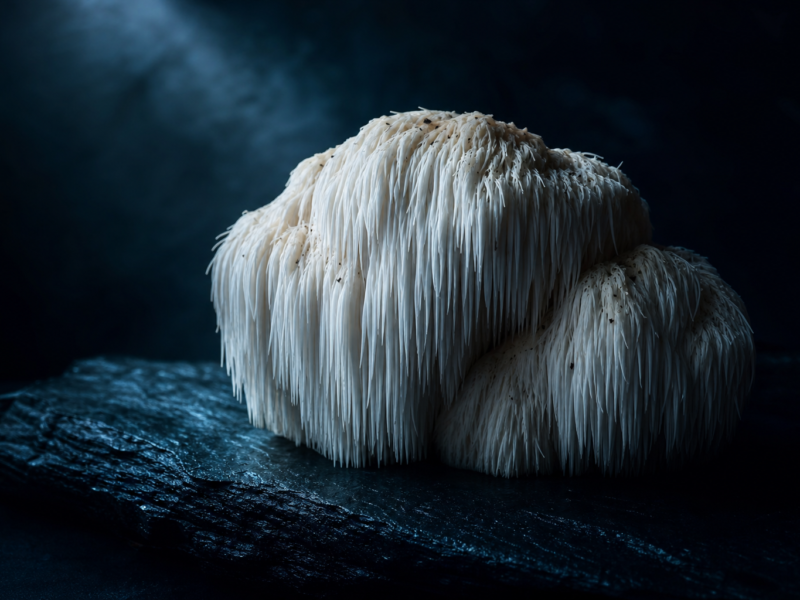
Lion’s mane mushroom looks like nothing else in the produce aisle — a cascading white pom-pom of soft, shaggy spines. But beyond its striking appearance lies one of the most interesting flavour profiles in the mushroom world: a tender, mild, slightly seafood-like taste that makes it a remarkable meat substitute and a genuinely delicious ingredient in its own right.
Here’s exactly how to cook lion’s mane mushroom — and why the method matters more than you’d expect.
What Does Lion’s Mane Mushroom Taste Like?
Lion’s mane has a mild, delicate flavour often compared to crab, lobster, or scallops — which is why it’s a popular seafood substitute in plant-based cooking. When cooked correctly, it develops a tender, slightly chewy texture and a rich umami depth. When cooked incorrectly (usually by steaming in its own moisture before it can brown), it becomes soft, watery, and bland.
The Most Important Rule: Dry Heat First
Lion’s mane contains a high water content — about 80–90% water by weight. If you add fat to the pan first and then add the mushroom, it will steam in its own liquid before it can brown, resulting in a soggy texture. The secret is dry heat first.
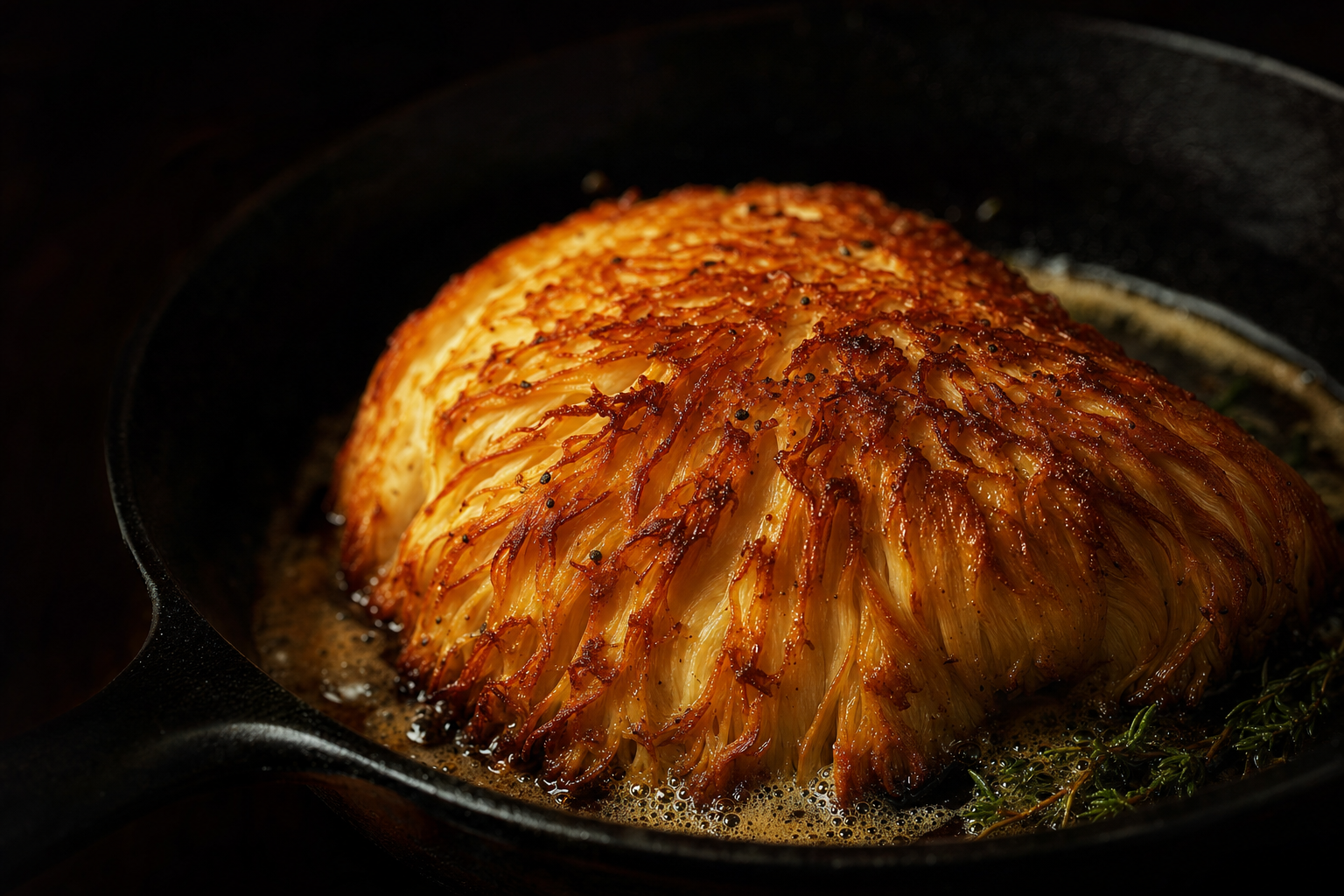
Place a dry, heavy pan (cast iron is ideal) over medium-high heat. Add the lion’s mane pieces without any oil and press them down with a spatula. Let them cook until they release their moisture and start to turn golden — about 4–5 minutes per side. Then add butter or olive oil and let it sear to a golden crust.
How to Cook Lion’s Mane Mushroom: Step by Step
Method 1: Pan-Seared (Best Overall Method)
What you’ll need: fresh lion’s mane mushroom, butter or olive oil, salt, garlic, fresh thyme (optional)
- Tear or slice the lion’s mane into thick steaks or large chunks — avoid cutting it too thin, as it shrinks significantly
- Heat a heavy pan (cast iron preferred) over medium-high heat until very hot — no oil yet
- Add the lion’s mane pieces and press firmly with a spatula
- Cook dry for 4–5 minutes until golden and moisture has evaporated
- Flip, press again, cook another 3–4 minutes
- Add 1–2 tablespoons of butter, garlic, and thyme
- Baste the mushroom with the butter for 1–2 minutes
- Season generously with salt and serve immediately
Result: Golden, caramelised exterior with a tender, almost meaty interior. This is lion’s mane at its best.
Method 2: Roasted in the Oven
Preheat your oven to 200°C (400°F). Tear lion’s mane into chunks, toss lightly with olive oil and salt, and spread in a single layer on a baking sheet. Roast for 20–25 minutes, flipping halfway, until deeply golden and slightly crispy at the edges. This method is less hands-on and works well for larger batches.
Method 3: Lion’s Mane “Crab Cakes”
Shred or finely chop cooked lion’s mane, mix with egg, breadcrumbs, Old Bay seasoning, lemon zest, and a little mayo. Form into patties and pan-fry in butter until golden on both sides. The seafood-like flavour of lion’s mane makes this remarkably convincing.
What to Serve With Lion’s Mane
Lion’s mane is versatile and pairs well with:
- Creamy risotto or pasta
- Steak or grilled meats (as a side)
- Sourdough toast with garlic butter
- Grain bowls with roasted vegetables
- Tacos as a meat substitute
- Ramen or Asian broths
How to Prepare Lion’s Mane (Before Cooking)
- Don’t wash it. Like most mushrooms, lion’s mane absorbs water readily. Wipe it clean with a dry brush or damp cloth if needed.
- Trim the base. The very bottom where it was attached to the substrate can be slightly tough — trim this off.
- Tear, don’t slice. Tearing creates more irregular surfaces that brown and crisp better than clean cuts.
- Don’t cut too thin. Lion’s mane shrinks significantly when cooked. Start with pieces at least 2–3cm thick.
Health Benefits of Lion’s Mane
Beyond its cooking appeal, lion’s mane mushroom contains compounds called hericenones and erinacines that have shown promising effects on nerve growth factor (NGF) production in laboratory research — suggesting potential benefits for cognitive function and neurological health. While human clinical evidence is still developing, lion’s mane has become one of the most popular nootropic fungi for good reason.
Frequently Asked Questions
The key is dry heat first. Heat a cast iron pan until very hot, add the lion’s mane without any oil, and press it firmly. Let it cook dry for 4–5 minutes until it releases its moisture and starts to brown. Only then add butter or oil. Adding fat before the moisture evaporates traps steam and makes the mushroom soggy.
When cooked correctly — dry heat first, then seared in butter — lion’s mane develops a mild, slightly sweet, umami-rich flavour often compared to crab or scallops. It has a tender, slightly chewy texture that makes it an excellent seafood substitute in plant-based cooking.
Technically yes, but it’s not recommended. Raw lion’s mane can cause digestive discomfort in some people and its flavour is bland and somewhat spongy. Cooking dramatically improves both the taste and digestibility.
Pan-searing takes about 10–12 minutes total — 4–5 minutes per side dry, then 1–2 minutes basting in butter. Oven roasting at 200°C takes 20–25 minutes. The mushroom is done when it’s deeply golden, the moisture has evaporated, and the exterior is caramelised.
This article is for informational purposes only.
Related reading: What Is Lion’s Mane Good For?, Lion’s Mane Brain Benefits, How to Prepare Lion’s Mane, How Long Does Lion’s Mane Take to Work?.

 Dr. Maya Chen
 Elena Voss

 James Holloway