 Rachel Summers
The Link Between Fiber and Heart Health
Cardiovascular disease remains the leading cause of death globally, yet one of the most powerful dietary tools for preventing it is also one of the simplest: eating more fiber. A landmark meta-analysis published in The Lancet — encompassing data from 185 prospective studies and 58 clinical trials — found that people eating the most fiber had a 15–30% lower risk of cardiovascular disease, stroke, type 2 diabetes, and all-cause mortality compared to those eating the least. For a full overview of dietary fiber types and their mechanisms, see our complete dietary fiber guide.
How Soluble Fiber Lowers Cholesterol
Soluble fiber — particularly beta-glucan from oats and barley, and pectin from apples and citrus — lowers LDL cholesterol through a direct and well-understood mechanism. In the small intestine, soluble fiber forms a viscous gel that binds to bile acids. Bile acids are produced by the liver from cholesterol and secreted into the intestine to aid fat digestion. Normally, most bile acids are reabsorbed and recycled. When they bind to soluble fiber gel, they are carried out of the body in stool instead. The liver then has to draw more cholesterol from the blood to produce new bile acids — directly lowering circulating LDL cholesterol. Understanding how soluble vs insoluble fiber differs helps clarify why soluble fiber is the primary driver of this cholesterol effect.
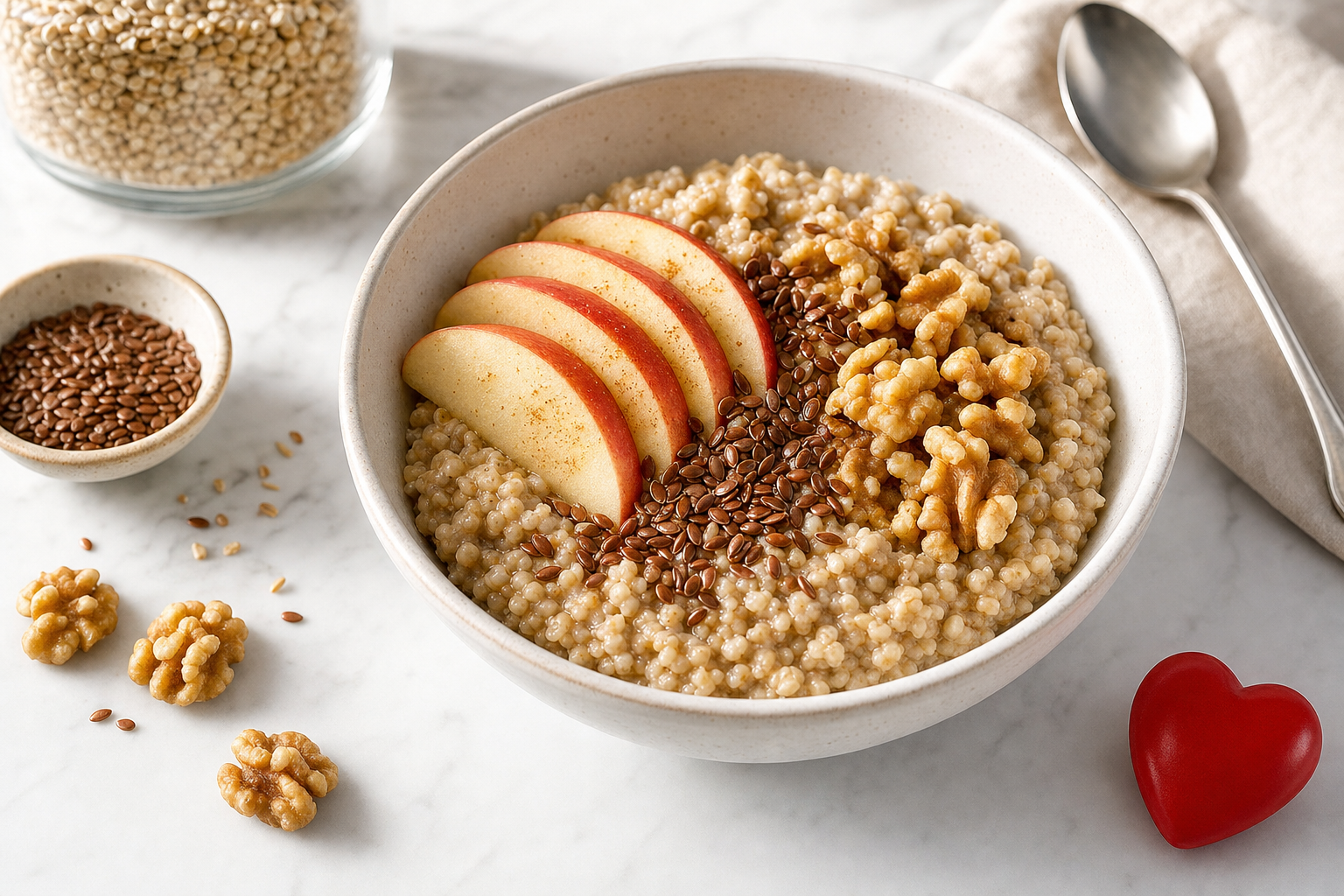
Clinical trials consistently show that consuming 5–10g of beta-glucan soluble fiber daily reduces LDL cholesterol by 5–10%. This is meaningful — a 10% LDL reduction translates to approximately a 20% reduction in cardiovascular event risk over time. Eating a bowl of oats every morning is one of the most evidence-based single dietary habits for heart health.
Fiber and Blood Pressure
Multiple meta-analyses have found that higher dietary fiber intake is associated with modest but meaningful reductions in both systolic and diastolic blood pressure. The mechanisms are multiple: SCFA production from fiber fermentation influences blood pressure regulation through effects on the kidneys and blood vessels; fiber reduces insulin resistance, which is itself a driver of hypertension; and the anti-inflammatory effects of a high-fiber microbiome reduce vascular inflammation. A diet high in fiber from whole plant foods — particularly the DASH dietary pattern — is one of the most evidence-supported non-pharmacological interventions for blood pressure.
Fiber, Inflammation, and Arterial Health
Chronic low-grade inflammation is a central driver of atherosclerosis — the plaque build-up in arteries that underlies most cardiovascular events. High-fiber diets are consistently associated with lower levels of inflammatory markers including C-reactive protein (CRP) and interleukin-6. The anti-inflammatory effect is mediated primarily through the gut microbiome — short-chain fatty acids produced from fiber fermentation dampen systemic inflammatory signalling throughout the body. A healthier microbiome means less inflammation, and less inflammation means healthier arteries. See our guide to fiber for gut health for how the microbiome mediates these systemic effects.
Best Fiber Foods for Heart Health
For maximum cardiovascular benefit, prioritise soluble fiber sources. Daily oats (one serving provides 4g of beta-glucan), barley in soups and grain bowls, legumes at least three times per week, apples and pears as daily snacks, flaxseeds added to breakfast, and psyllium husk as a supplement if dietary intake is consistently low. Aim for at least 10g of soluble fiber daily specifically — most people get only 3–5g. See our best high fiber foods guide for detailed sources. Understanding how much fiber per day you need provides the overall target.
FAQ
Does fiber lower cholesterol?
Yes — soluble fiber, particularly beta-glucan from oats and barley, reduces LDL cholesterol by 5–10% with consistent daily consumption through a bile acid binding mechanism.
How much fiber do I need for heart health?
At least 25–38g total daily fiber, with emphasis on 10+g of soluble fiber specifically. Oats, barley, legumes, and psyllium are the highest-impact sources.
Does fiber lower blood pressure?
Yes — high fiber diets are consistently associated with modest but meaningful reductions in both systolic and diastolic blood pressure through microbiome-mediated and metabolic mechanisms.
What fiber is best for heart health?
Soluble fiber — especially beta-glucan from oats and barley, and pectin from apples and citrus — has the strongest cardiovascular evidence.
How quickly does fiber lower cholesterol?
Meaningful LDL reductions are typically seen within 4–8 weeks of consistent high-soluble-fiber intake.
Is oatmeal really good for your heart?
Yes — the evidence for oats and cardiovascular health is among the strongest in nutritional science. A daily bowl of oats is one of the most evidence-based dietary habits for heart health.

 Emma Thornton
 James Hargreaves
 Daniel Brooks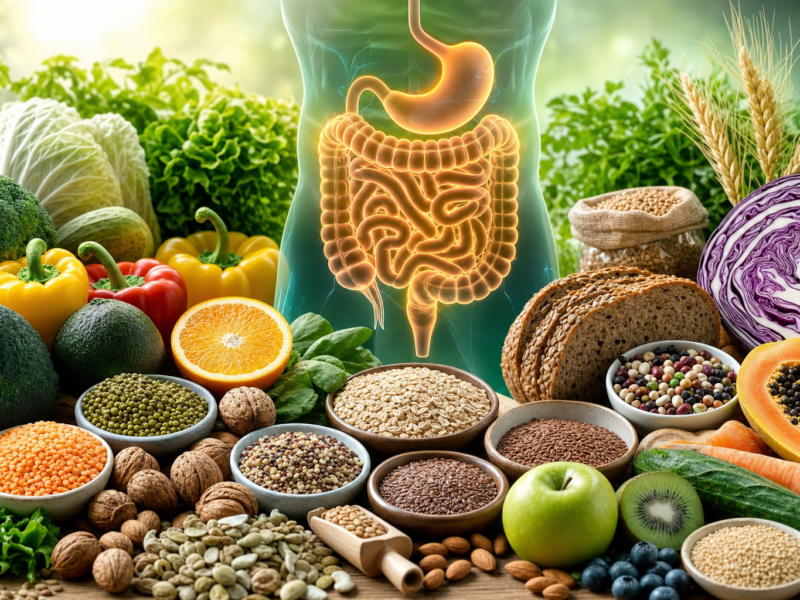
 Ashley