 James Hargreaves
Why the Type of Fiber Matters
Dietary fiber is not one thing — it’s a broad category of indigestible plant compounds with distinct structures, behaviours, and health effects. Understanding the difference between soluble and insoluble fiber helps you choose the right foods for your specific health goals, whether that’s improving gut health, lowering cholesterol, managing blood sugar, or relieving constipation. For a foundational overview of dietary fiber, see our complete fiber guide.
Soluble Fiber — What It Is and How It Works
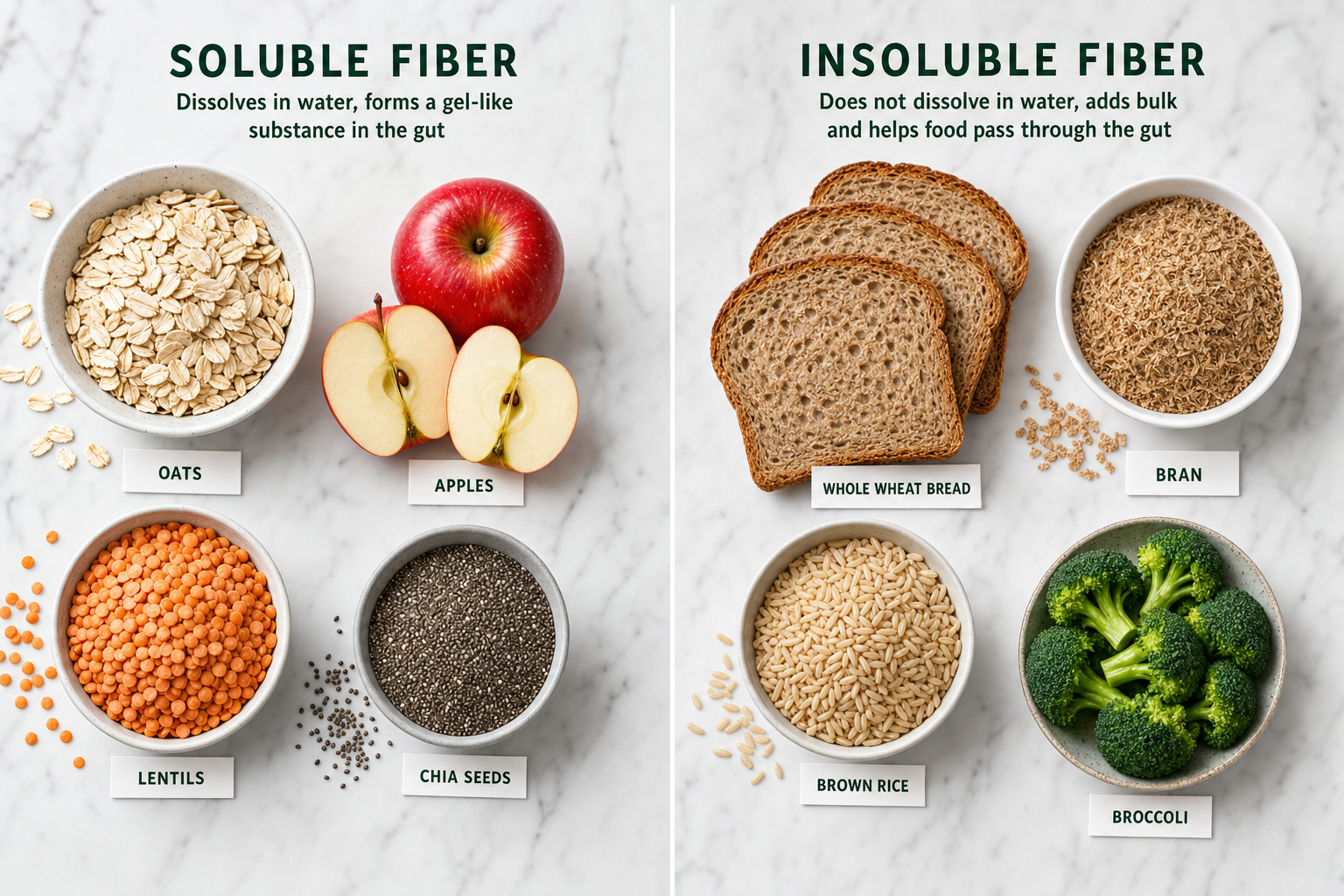
Soluble fiber dissolves in water to form a viscous, gel-like substance in your digestive tract. This gel physically slows the rate at which food moves through your stomach and small intestine — slowing glucose absorption, trapping cholesterol molecules, and feeding beneficial gut bacteria as it reaches the large intestine. Soluble fiber is found in oats, barley, apples, pears, citrus fruits, lentils, chickpeas, psyllium husk, flaxseeds, and chia seeds.
Soluble Fiber and Cholesterol
Beta-glucan — the primary soluble fiber in oats and barley — is the most clinically studied fiber for cholesterol reduction. It forms a thick gel in the small intestine that binds to bile acids (which are made from cholesterol), preventing their reabsorption and forcing the liver to draw more cholesterol from the blood to make new bile acids. The result is a measurable reduction in LDL cholesterol — typically 5–10% with consistent consumption. The FDA has approved a health claim for oats and barley specifically on this basis. See our full guide to fiber and heart health for the complete evidence.
Soluble Fiber and Blood Sugar
The gel formed by soluble fiber in the small intestine slows the digestion and absorption of carbohydrates, dramatically reducing the speed and height of post-meal blood sugar spikes. This effect is particularly valuable for people with insulin resistance, prediabetes, or type 2 diabetes. Legumes, oats, chia seeds, and barley are the highest-impact foods for this purpose. Our dedicated guide to fiber and blood sugar covers this in depth.
Soluble Fiber as a Prebiotic
Most soluble fiber acts as a prebiotic — fermented by beneficial gut bacteria in the large intestine, producing short-chain fatty acids including butyrate, propionate, and acetate. These compounds are anti-inflammatory, support the gut barrier, and influence metabolism, immunity, and even mood via the gut-brain axis.
Insoluble Fiber — What It Is and How It Works
Insoluble fiber does not dissolve in water and passes through the digestive tract largely intact, adding bulk and absorbing water as it goes. Its primary function is mechanical — it speeds the transit of food and waste through the digestive system, preventing constipation and supporting regular bowel movements. Insoluble fiber is found in whole wheat, wheat bran, brown rice, corn bran, the skins of vegetables and fruits, nuts, and seeds.
Insoluble Fiber and Digestive Health
By increasing stool bulk and speeding colonic transit, insoluble fiber reduces the time that potential carcinogens spend in contact with the gut lining — which is one mechanism by which high fiber diets are associated with lower colorectal cancer risk. It also prevents and relieves constipation more directly than any other dietary intervention, and helps prevent diverticular disease by keeping intestinal muscles active and reducing pressure build-up in the colon. See our guide to fiber and digestion for more detail.
Which Type of Fiber Do You Need More Of?
Most people need more of both — but the specific imbalance varies. If your primary concern is constipation or bowel irregularity, prioritise insoluble fiber from whole grains, vegetable skins, and wheat bran. If your priority is blood sugar control or cholesterol reduction, prioritise soluble fiber from oats, legumes, chia seeds, and psyllium. For gut microbiome health, prebiotic soluble fibers from garlic, onions, leeks, and asparagus are particularly valuable. For IBS, fiber selection requires more care — see our guide to fiber for IBS.
In practice, the best approach is to eat a wide variety of whole plant foods — which naturally delivers both types in the proportions most beneficial for overall health.
FAQ
What is the difference between soluble and insoluble fiber?
Soluble fiber dissolves in water and forms a gel — slowing digestion, lowering cholesterol, and feeding gut bacteria. Insoluble fiber doesn’t dissolve — it adds bulk to stool and speeds transit through the gut.
Which fiber is better for gut health?
Both contribute to gut health differently. Soluble fiber feeds beneficial bacteria and produces butyrate. Insoluble fiber promotes regularity and reduces colon cancer risk. Variety provides both.
Which fiber lowers cholesterol?
Soluble fiber — particularly beta-glucan from oats and barley — is the most effective dietary fiber for lowering LDL cholesterol.
Which fiber helps with constipation?
Insoluble fiber is most directly effective for constipation by adding bulk and speeding transit. Soluble fiber also helps by softening stool.
What foods have both types of fiber?
Most whole plant foods contain both types. Legumes, oats, chia seeds, and most vegetables and fruits provide a natural balance of soluble and insoluble fiber.
Do I need fiber supplements to get enough of both types?
Most people can meet their needs through whole foods. If supplementing, psyllium husk provides primarily soluble fiber, while wheat bran provides primarily insoluble fiber.


 Emma Thornton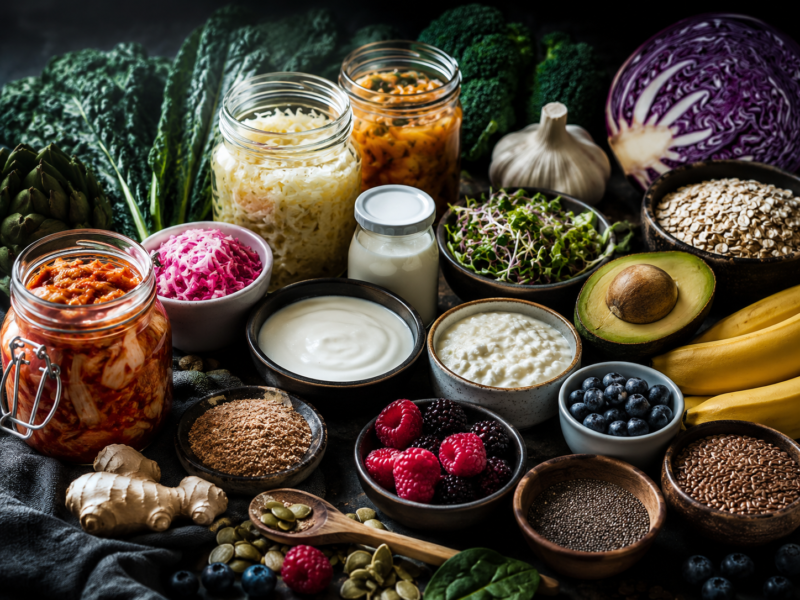
 James Hargreaves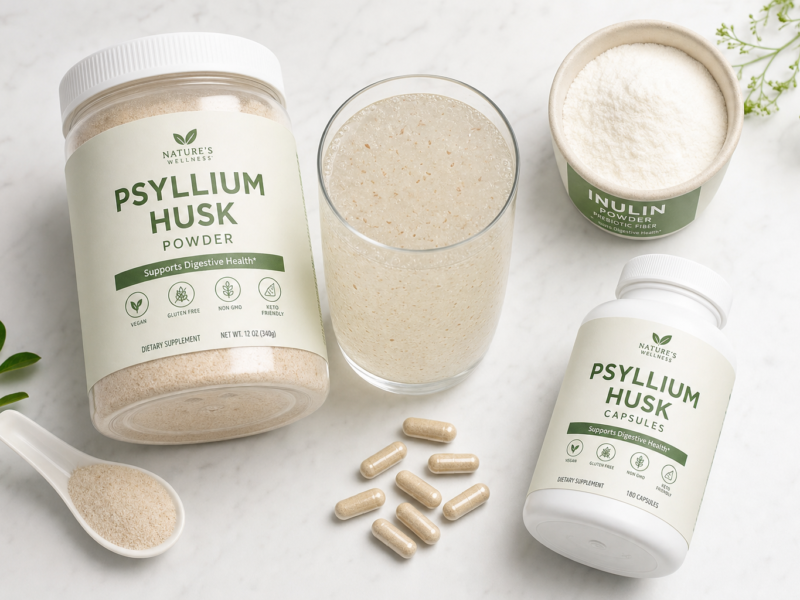
 Daniel Brooks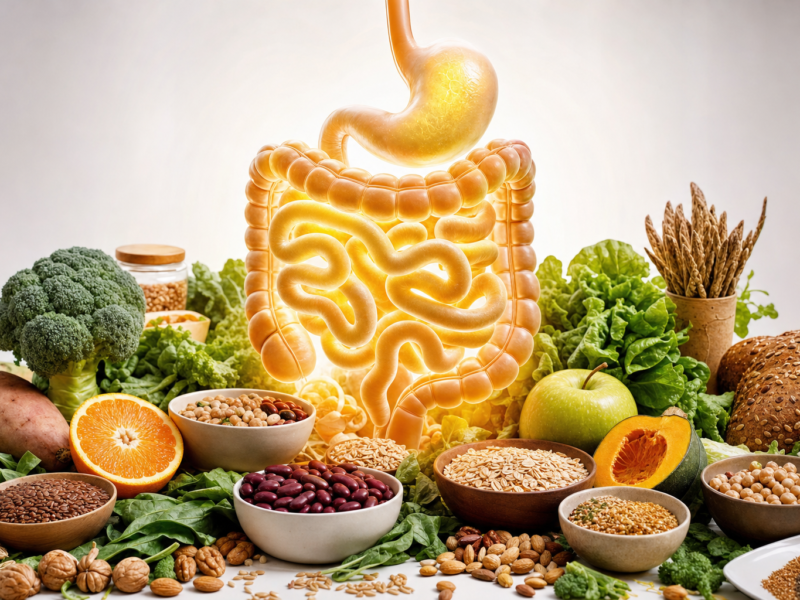
 Sarah Mitchell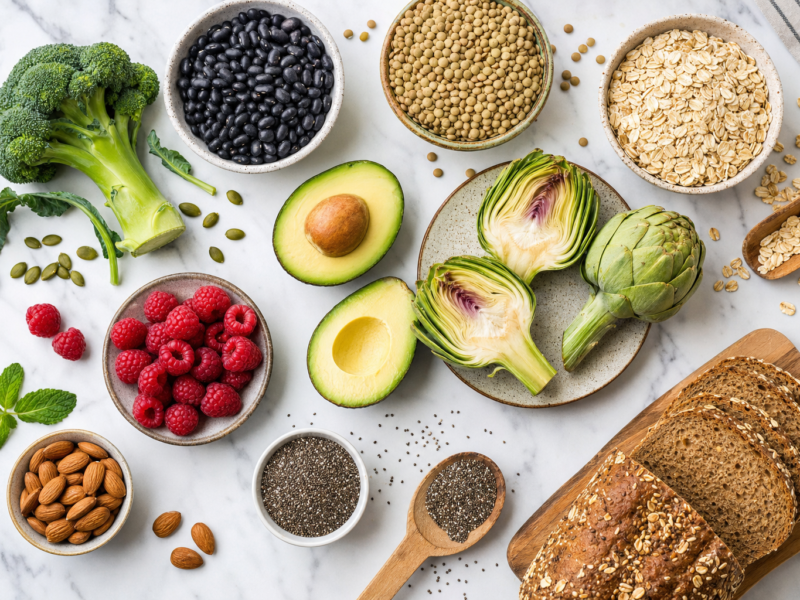
 Rachel Summers