 Emma Thornton
How Fiber Keeps Your Digestive System Running Smoothly
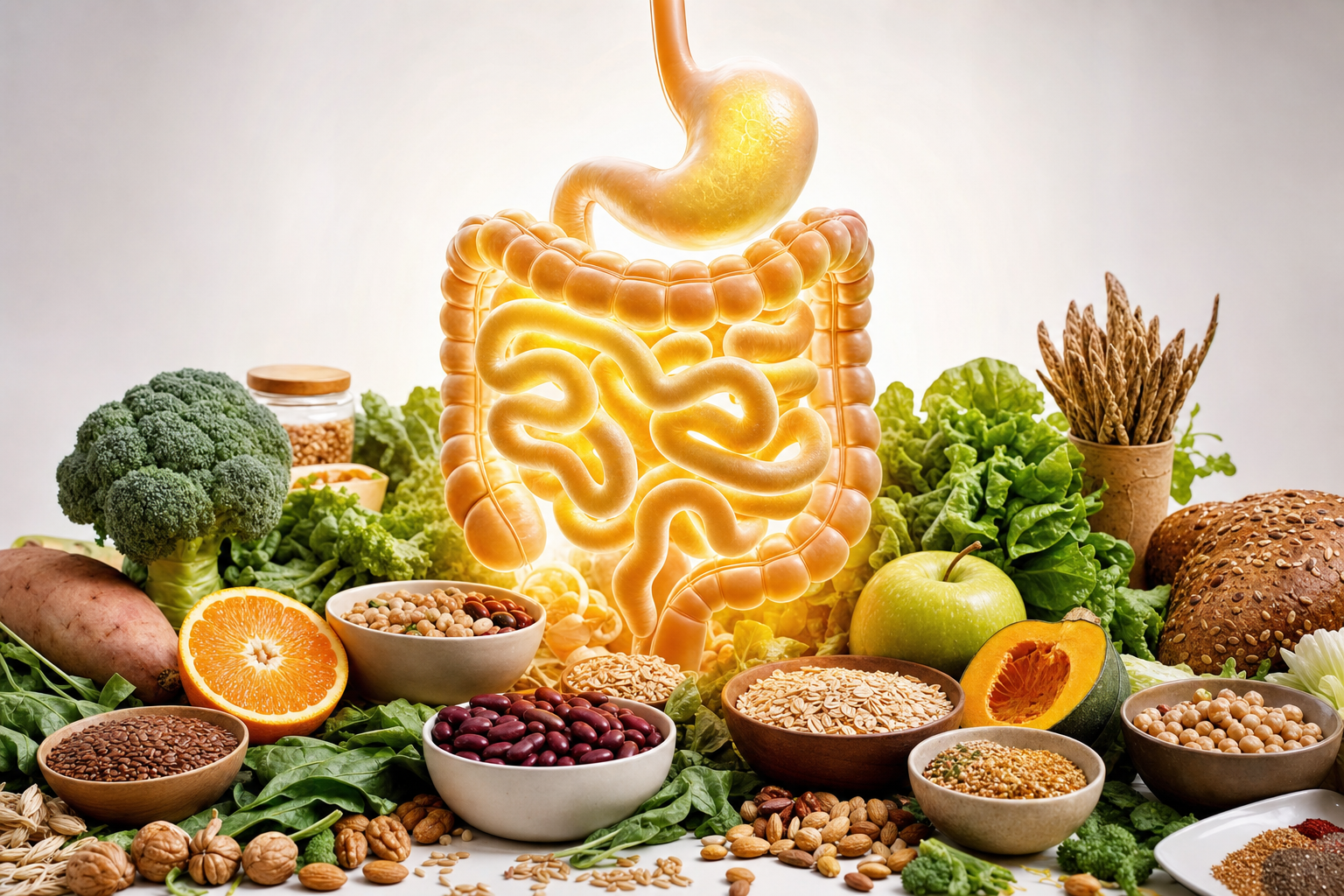
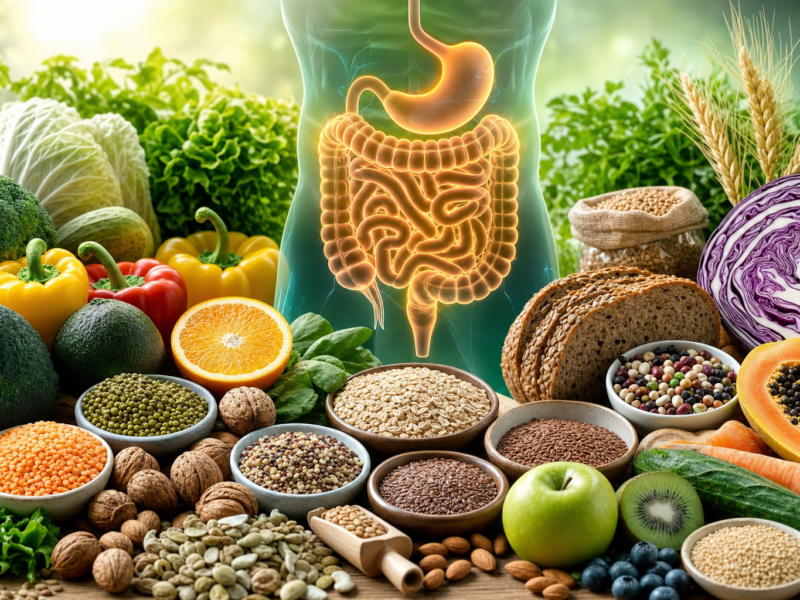
Digestion is perhaps the most direct and immediate benefit of dietary fiber. Every part of your digestive tract — from the stomach to the colon — functions better with adequate fiber intake. Yet most people consume less than half the recommended daily amount, contributing to some of the most common digestive complaints in the modern world: constipation, bloating, irregular bowel movements, and sluggish digestion. For a complete overview of fiber types and their mechanisms, see our complete dietary fiber guide.
Fiber and Constipation Relief
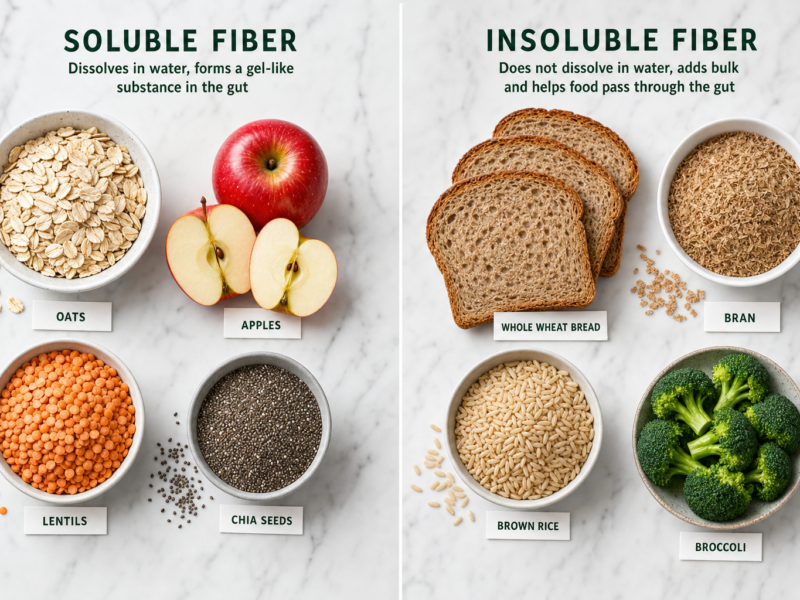
Constipation — defined as fewer than three bowel movements per week, or stools that are hard, dry, and difficult to pass — affects up to 20% of adults chronically. Insoluble fiber is the most direct dietary remedy. It adds physical bulk to stool, stimulates peristalsis (the muscular contractions that move food through the gut), and absorbs water to keep stool soft enough to pass comfortably. Whole wheat bran, brown rice, vegetable skins, and nuts are among the richest sources of insoluble fiber. For those with chronic constipation, increasing insoluble fiber alongside fluid intake typically produces improvement within 3–5 days. Understanding the difference between soluble and insoluble fiber helps you select the most appropriate foods for this purpose.
Fiber and Bowel Transit Time
Transit time — how long it takes food to travel from mouth to toilet — is an important but rarely discussed marker of digestive health. Ideal transit time is generally considered to be 24–48 hours. Longer transit times mean waste and potential carcinogens spend more time in contact with the intestinal wall, increasing colorectal cancer risk. High insoluble fiber intake consistently reduces transit time, while low-fiber diets are associated with slow transit and its downstream consequences. Eating the skin of potatoes and other vegetables, choosing whole grain breads and cereals, and adding wheat bran to meals are the most effective single interventions for improving transit time.
Fiber and Bloating — the Adaptation Period
Many people avoid increasing fiber because they associate it with bloating and gas. This concern is valid — but temporary. When fiber intake increases significantly, gut bacteria begin fermenting the additional fiber more vigorously, producing gas as a by-product. This typically causes temporary bloating, particularly in the first 2–4 weeks. The solution is to increase fiber intake gradually — adding no more than 5 grams per week — and to drink plenty of water alongside the increase. Within 3–4 weeks, the gut microbiome adapts, gas production normalises, and most people find that higher fiber intake actually reduces chronic bloating by improving overall gut motility and microbiome balance. Those with IBS require particular care in fiber selection — see our guide to fiber for IBS.
Soluble Fiber and Digestive Comfort
While insoluble fiber is the primary tool for regularity, soluble fiber contributes to digestive comfort by softening stool, slowing gastric emptying (reducing the likelihood of diarrhoea and urgency), and feeding the beneficial bacteria that keep the gut environment balanced. Psyllium husk is unique in that it acts as both a stool bulking agent and a stool softener, making it useful for both constipation and loose stools — explaining its use in managing both ends of IBS.
Fiber and Long-Term Digestive Disease Prevention
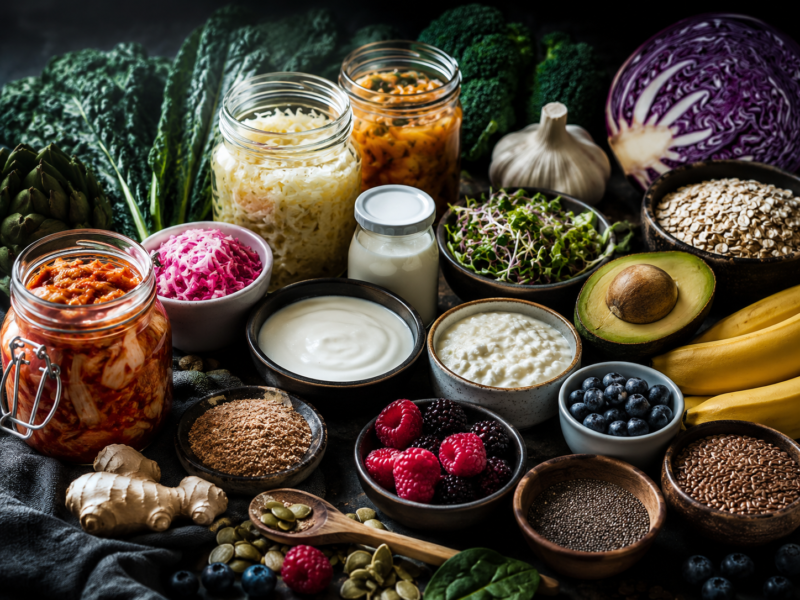
Beyond immediate digestive comfort, high fiber intake is one of the strongest dietary predictors of long-term digestive health. High fiber diets are associated with significantly reduced risk of diverticular disease (pouches forming in the colon wall — a consequence of chronic low-fiber, high-pressure constipation), colorectal cancer (reduced risk by 10–20% per 10g additional fiber per day in large prospective studies), haemorrhoids (reduced straining and pressure), and gastroesophageal reflux (by promoting faster gastric emptying). Pairing fiber intake with fermented foods further supports gut health — see our fiber and gut health guide for how fiber and the microbiome interact.
Practical Tips for Better Digestive Health Through Fiber
Start with one additional serving of vegetables at dinner. Swap white rice for brown rice or quinoa. Add a tablespoon of chia seeds to breakfast. Eat the skin on potatoes, apples, and pears. Choose whole grain bread over white. Add legumes to soups, stews, or salads three times per week. Drink at least 2 litres of water daily — fiber without adequate hydration can worsen constipation. These changes collectively add 10–15g of fiber daily, enough to move most people from deficient to adequate intake within weeks.
FAQ
Does fiber help with constipation?
Yes — insoluble fiber is the most effective dietary intervention for constipation, adding bulk and speeding transit. Increase gradually with plenty of water.
Can fiber cause bloating?
Temporarily, yes — particularly when increasing intake rapidly. The solution is gradual increases and adequate hydration. Bloating typically resolves within 3–4 weeks as the gut adapts.
What type of fiber is best for digestion?
Both types play important roles. Insoluble fiber promotes regularity; soluble fiber softens stool and feeds gut bacteria. Variety is the most effective approach.
How much fiber do I need for healthy digestion?
25–38g daily depending on gender, with at least half from whole food insoluble sources for optimal bowel regularity.
Is psyllium husk good for digestion?
Yes — psyllium husk is one of the most versatile fiber supplements, effective for both constipation and loose stools due to its dual bulking and softening properties.
Does fiber help with IBS?
It depends on the type of IBS and the type of fiber. Soluble fiber generally helps, while insoluble fiber can worsen IBS in some people. See our guide to fiber for IBS for specifics.

 James Hargreaves
 Sarah Mitchell
 Ashley