 Dr. Rachel Stone
Leaky gut syndrome — or intestinal permeability — has moved from fringe health concept to mainstream medicine in the past decade. Research now shows that a compromised gut barrier is involved in a wide range of conditions from autoimmune disease to mental health disorders. Recognising the symptoms is the first step toward addressing the root cause.
What Is Leaky Gut?
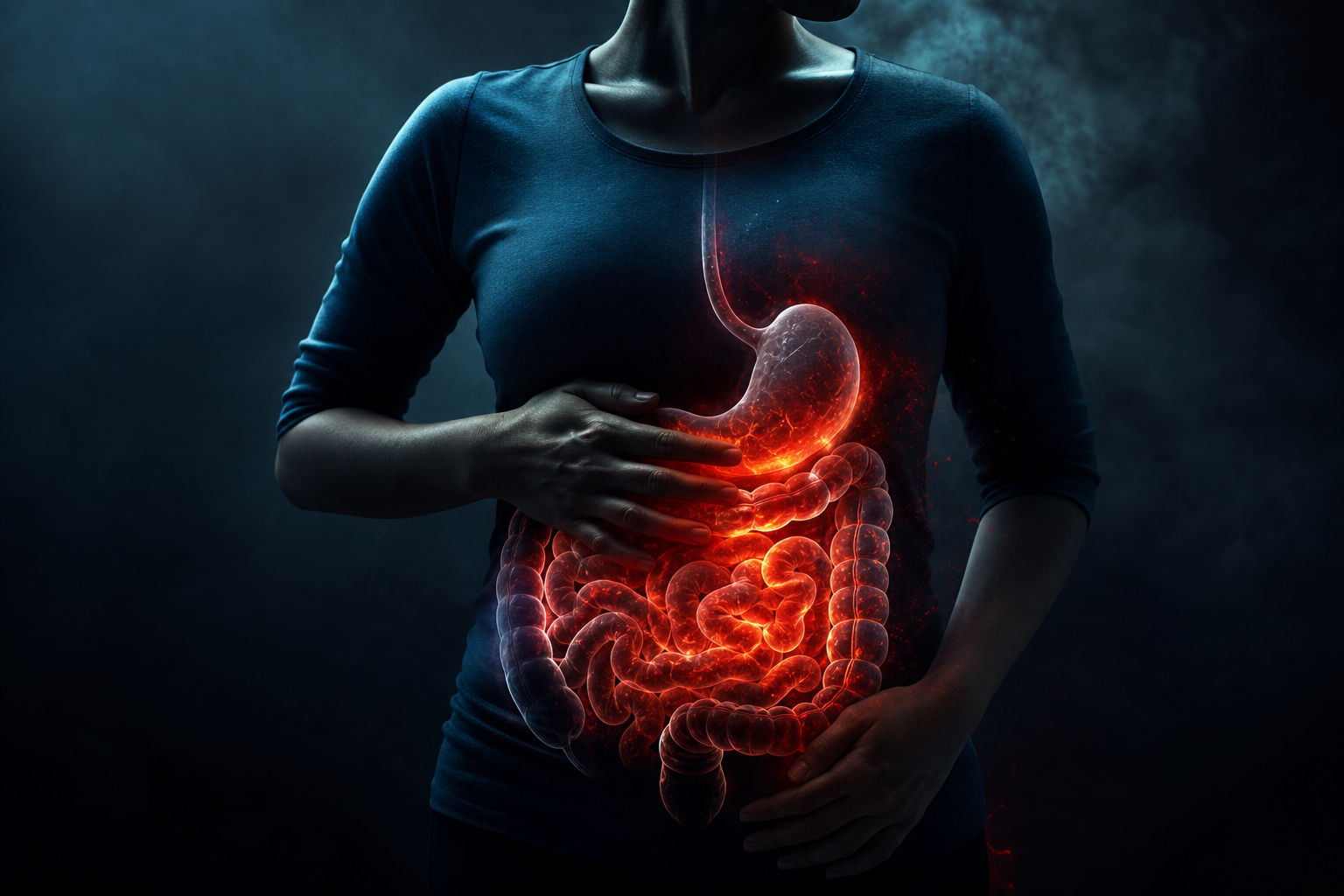
The intestinal lining is a single layer of epithelial cells connected by tight junctions — structures that control what passes from the gut into the bloodstream. When these tight junctions become damaged or loosened, the gut becomes “leaky” — allowing bacterial toxins (LPS), undigested food particles, and pathogens to pass into circulation. This triggers systemic immune activation and inflammation, producing symptoms far beyond the digestive system.
Leaky Gut Symptoms
Digestive Symptoms
- Bloating — particularly after meals; often described as looking “pregnant” by afternoon
- Chronic diarrhoea or constipation — or alternating between both
- Abdominal cramping and pain
- Gas and flatulence — especially after eating fermentable carbohydrates
- Food intolerances — developing new sensitivities to foods previously tolerated; a hallmark of leaky gut as undigested food particles trigger immune responses
- Nausea
Immune and Inflammatory Symptoms
- Frequent infections — 70% of the immune system resides in the gut; leaky gut impairs immune regulation
- Autoimmune conditions — leaky gut is strongly associated with autoimmune disease development; research links it to rheumatoid arthritis, Hashimoto’s thyroiditis, type 1 diabetes, and coeliac disease
- Joint pain and inflammation — from systemic immune activation
- Chronic widespread inflammation
Skin Symptoms
- Eczema — the gut-skin axis is well-established; gut dysbiosis and leaky gut correlate with eczema severity
- Acne — gut inflammation drives systemic inflammatory acne
- Psoriasis — strongly associated with gut permeability and dysbiosis
- Rosacea
- Rashes and hives
Brain and Mental Health Symptoms
- Brain fog — one of the most common complaints; LPS (bacterial endotoxin) crossing into circulation directly impairs cognitive function
- Anxiety and depression — the gut-brain axis means gut inflammation directly affects neurotransmitter production and the stress response
- Fatigue — from chronic systemic inflammation and immune activation
- Poor concentration and memory issues
Other Symptoms
- Nutritional deficiencies — damaged intestinal villi impair nutrient absorption, leading to iron, B12, zinc, and vitamin D deficiency despite adequate dietary intake
- Hormonal imbalances — gut bacteria metabolise hormones; dysbiosis disrupts oestrogen and thyroid hormone metabolism
- Thyroid disorders — Hashimoto’s thyroiditis is strongly associated with intestinal permeability
What Causes Leaky Gut?
- Chronic stress (cortisol directly increases gut permeability)
- Dysbiosis (imbalanced gut microbiome)
- NSAID overuse (ibuprofen, aspirin damage gut lining)
- Alcohol consumption
- Gluten (triggers zonulin release, which opens tight junctions — particularly in people with coeliac disease or NCGS)
- Highly processed food diets high in emulsifiers and additives
- Antibiotic overuse
- Chronic infections (H. pylori, parasites, SIBO)
Frequently Asked Questions
Leaky gut symptoms span multiple body systems: digestive (bloating, food intolerances, diarrhoea/constipation, abdominal pain), immune (frequent infections, autoimmune flares, joint pain), skin (eczema, acne, psoriasis), and neurological (brain fog, anxiety, depression, fatigue). The combination of multiple food intolerances, bloating, brain fog, and skin issues together is particularly suggestive of intestinal permeability.
Testing options include: the lactulose-mannitol urine test (measures gut permeability directly), zonulin blood test (zonulin is the protein that opens tight junctions — elevated in leaky gut), LPS antibody testing, and comprehensive stool analysis. These tests are available through functional medicine practitioners. There’s no single definitive mainstream test — diagnosis is often clinical, based on symptom pattern and response to treatment.
Yes — intestinal permeability is reversible with the right interventions. The gut lining renews itself completely every 5–7 days under optimal conditions. Key healing strategies include removing inflammatory triggers (processed foods, alcohol, NSAIDs, food intolerances), supporting gut bacteria with probiotics and prebiotics, and supplementing gut-lining specific nutrients including L-glutamine, zinc carnosine, and collagen. Most people see significant improvement within 4–12 weeks of a targeted protocol.
This article is for informational purposes only. Consult a healthcare provider or functional medicine practitioner for personalised assessment and treatment of gut health issues.
Related reading: How to Heal Leaky Gut: The 5R Protocol, SIBO Symptoms: How to Recognise Bacterial Overgrowth, Is Kimchi Good for Gut Health?, Best Probiotic Strains by Health Goal.
Related: MSM Benefits for Joints | Collagen for Skin and Joints


 James Hargreaves
 Dr. Maya Chen

 Sarah Mitchell
 Daniel Brooks
 Rachel Summers