
 Daniel Brooks
This article is for informational purposes only and does not constitute medical advice. Always consult a qualified healthcare professional about persistent digestive symptoms.
Why Small Habits Matter More Than Big Overhauls
There’s a tempting idea in the gut health space that fixing your digestion requires a dramatic intervention — an elimination diet, a supplement protocol, a two-week cleanse. The research doesn’t really support this. What the research does support, consistently, is the power of small habits done consistently over time.
Your gut microbiome is remarkably responsive. Studies show measurable shifts in microbial composition within three to five days of dietary changes. Sleep quality affects gut motility by the following day. A single walk after a meal can meaningfully change blood sugar and gastric emptying speed. The gut is not a slow system — it responds quickly to what you do, which means the habits you build matter enormously.
This guide focuses on practical, evidence-based habits you can start today. Not a protocol. Not a 30-day challenge. Just consistent daily actions that add up. For a deeper understanding of what’s happening in your gut and why, see our complete gut health guide.
Food-Based Tips for Better Digestion
Eat More Plant Variety
The single most impactful dietary change for gut health isn’t cutting something out — it’s adding more variety of plants in. Research consistently shows that people eating 30+ different plant foods per week have significantly more diverse gut microbiomes than those eating fewer. And microbial diversity is one of the best markers of a healthy gut.
Thirty sounds like a lot, but it’s more achievable than it seems when you count everything: vegetables, fruits, whole grains, legumes, nuts, seeds, herbs, and spices all count. A mixed seed sprinkle on your morning oats might add 3-4 plants in one go. A handful of mixed nuts is another 4-5. An herb-heavy salad dressing adds several more.
A simple way to start: this week, add one plant food you don’t normally eat. Next week, add another. Over a few months, your variety accumulates into genuine microbial diversity. For specific food ideas and meal templates, see our gut health foods guide.
Add Fermented Foods Slowly
Fermented foods — yoghurt, kefir, sauerkraut, kimchi, miso — contain live bacteria that contribute to microbiome diversity. A Stanford 2021 study found they increased gut microbial diversity and reduced inflammatory markers, which is a meaningful finding.
The key word is slowly. If your gut isn’t used to fermented foods and you suddenly start eating large amounts of kimchi and sauerkraut, you’ll likely experience temporary gas and bloating as your microbiome adjusts. Start with a tablespoon of sauerkraut with dinner, or a small serving of plain yoghurt at breakfast. Give it a week or two before increasing. Most people find their gut adapts and the temporary symptoms resolve.
Identify Your Trigger Foods
This tip sounds obvious but is consistently underused: keep a simple food and symptom diary for two to three weeks. Note what you eat, when, portion size, and any digestive symptoms — bloating, gas, reflux, loose stools, constipation — in the hours that follow.
Patterns that are invisible in the moment become obvious when you review a week or two of data. You might discover that it’s not dairy in general that causes problems, but large amounts of milk specifically. Or that bloating isn’t random — it reliably follows high-FODMAP meals when you’re also stressed. This information is genuinely useful and can help you make targeted rather than sweeping dietary changes. For more on bloating triggers specifically, see our gut health and bloating guide.
Lifestyle Tips That Support the Gut
Walk After Meals
This is one of the most evidence-backed and underused gut health habits. A 10-15 minute gentle walk after eating has been shown in multiple studies to meaningfully reduce post-meal blood sugar spikes, speed gastric emptying, and improve gut motility. You don’t need to exercise hard — a slow, steady walk is enough.
The mechanism is straightforward: movement stimulates peristalsis — the rhythmic contractions that move food through your digestive tract. When you sit or lie down immediately after eating, transit slows. When you move, it speeds up. This is why walking after a meal reduces bloating and the heavy, sluggish feeling that often follows large meals.
If you can only adopt one lifestyle habit from this guide, make it this one. Even a 10-minute walk after dinner, three or four nights a week, will produce noticeable digestive benefits within a few weeks.
Sleep More Consistently
Poor sleep and gut health have a bidirectional relationship — poor gut health disrupts sleep, and poor sleep disrupts gut health. What’s less appreciated is how quickly sleep affects the gut. Even a few nights of sleep below 7 hours has been shown to alter gut microbial composition, increase intestinal permeability, and raise inflammatory markers.
The consistency of your sleep schedule matters as much as the duration. Your gut runs on a circadian rhythm. Going to bed and waking at consistent times — even on weekends — helps synchronise your gut’s internal clock. Irregular sleep timing is associated with gut dysbiosis independently of sleep duration.
Practical sleep hygiene for gut health: aim for 7-9 hours, keep a consistent bedtime and wake time, avoid large meals within 2-3 hours of sleep (which can worsen reflux and disrupt sleep quality), and reduce screens an hour before bed (blue light suppresses melatonin, making it harder to fall asleep).
Manage Stress Better
The gut-brain axis is not a metaphor — it’s a real, bidirectional communication system involving the vagus nerve, neurotransmitters (including serotonin, 80-90% of which is produced in the gut), and the enteric nervous system. When you’re under chronic stress, your gut knows it. Cortisol and other stress hormones directly affect gut motility, intestinal permeability, and microbial composition.
Managing stress for gut health doesn’t require meditation retreats or dramatic lifestyle changes. It requires consistent, daily practices that reduce your overall cortisol load. The research points toward a few particularly effective habits:
- Diaphragmatic breathing: Slow, deep breaths that expand the belly activate the parasympathetic nervous system — the “rest and digest” state. Five minutes of diaphragmatic breathing before meals has been shown to improve digestion and reduce IBS symptoms.
- Regular moderate exercise: Beyond the post-meal walk, regular physical activity — 150 minutes per week of something moderately demanding — consistently reduces cortisol, improves gut motility, and increases microbial diversity.
- Social connection: Chronic loneliness is associated with elevated cortisol and gut dysbiosis. Regular positive social interaction genuinely affects gut health through hormonal pathways.
- Time in nature: Even brief exposure to green spaces reduces cortisol. A 20-minute walk in a park produces measurable stress hormone reduction.
Hydration and Regularity Tips
Constipation is one of the most common causes of bloating, discomfort, and poor gut health — and inadequate hydration is one of the most common causes of constipation. Fiber needs water to work. Without adequate hydration, increasing fiber intake can actually worsen constipation.
Aim for 2-2.5 litres of fluid per day, primarily from water. Herbal teas count. Coffee in moderate amounts is fine and may actually support bowel motility for some people. Alcohol and sugary drinks don’t count toward your hydration target — they’re dehydrating or calorically significant enough to warrant limiting.
Practical hydration tips:
- Keep a water bottle visible on your desk — visibility is one of the most reliable drivers of drinking more water
- Drink a large glass of water first thing in the morning, before coffee — this rehydrates after overnight fluid loss and can help stimulate bowel motility
- Add a squeeze of lemon or a slice of cucumber if plain water feels boring
- Set a phone reminder if you routinely forget to drink during busy work periods
For bowel regularity beyond hydration, the combination of adequate fiber (25-30g per day), regular movement, and consistent meal timing are the most evidence-backed interventions. Psyllium husk — a soluble fiber supplement — has particularly strong evidence for both constipation and diarrhoea. See our gut health supplements guide for more detail.
Frequently Asked Questions About Gut Health Tips
What are the fastest gut health tips?
The habits with the fastest noticeable effect are: walking after meals (reduces bloating within days), increasing water intake (improves motility quickly), and adding fermented foods (some people notice improved digestion within a week). Dietary diversity changes take longer — typically 4-8 weeks for meaningful microbiome shifts.
Can I improve gut health without supplements?
Absolutely. For most people, dietary and lifestyle changes produce more meaningful gut health improvements than any supplement. Supplements can fill specific gaps — psyllium for fiber, a clinically-studied probiotic for IBS symptoms — but they’re additions to a healthy foundation, not replacements for it.
What foods help most with gut health?
Diverse plant foods (vegetables, fruits, legumes, whole grains, nuts, seeds), fermented foods (yoghurt, kefir, sauerkraut, kimchi), and adequate water are the foundation. No single food fixes gut health — it’s the overall pattern that matters. See our gut health foods guide for detail.
How long do habits take to work?
Some effects are rapid — walking after meals reduces bloating within days. Microbiome diversity shifts take 4-8 weeks of consistent dietary change. Sleep improvements affect gut health almost immediately. The gut responds to consistency more than intensity — small habits done daily outperform large interventions done occasionally.
Which habits reduce bloating most effectively?
Walking after meals, eating more slowly, identifying trigger foods, reducing carbonated drinks and sugar alcohols, and staying hydrated are the most consistently effective. If bloating is persistent and significant, a low-FODMAP diet guided by a dietitian has the strongest clinical evidence for IBS-related bloating. For a comprehensive guide to bloating causes and relief, see our gut health and bloating article.
A 7-Day Gut Health Reset Checklist
Use this as a simple starting framework — not a rigid protocol, but a week of intentional focus on gut-supportive habits:
- Day 1: Add one new plant food you don’t normally eat. Count how many different plants you eat today.
- Day 2: Add a fermented food — a tablespoon of sauerkraut with dinner, or plain yoghurt at breakfast.
- Day 3: Walk for 10-15 minutes after your largest meal. Notice how you feel afterwards.
- Day 4: Drink 2 litres of water. Start with a large glass first thing in the morning.
- Day 5: Go to bed and wake up at the same time as yesterday. Prioritise 7-8 hours.
- Day 6: Start a simple food and symptom diary. Note what you eat and any digestive symptoms.
- Day 7: Do 5 minutes of slow diaphragmatic breathing before your main meal. Notice any difference in how you feel during and after eating.
After seven days, pick the two or three habits that felt most manageable and double down on those. Consistency over a few weeks with two good habits beats intensity over a single week with ten.
Medical Disclaimer: The information in this article is for general educational purposes only and does not constitute medical advice. If you have persistent or concerning digestive symptoms, please consult a qualified healthcare professional.
Related Reading:
Gut Health: The Complete 2026 Guide
Gut Health Foods: The Best Foods for Digestion
Gut Health and Bloating: What Causes It and How to Fix It
Gut Health Supplements: What Works and What Doesn’t


 Dr. Maya Chen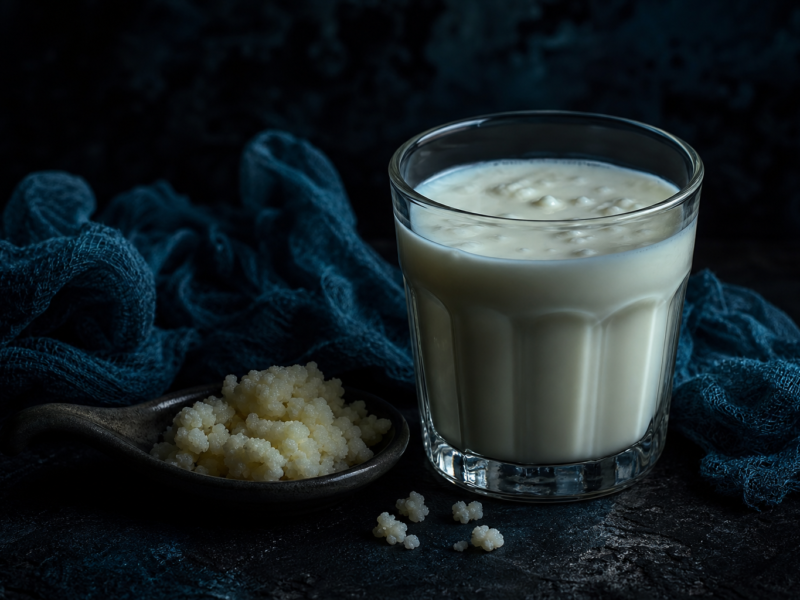

 Rachel Summers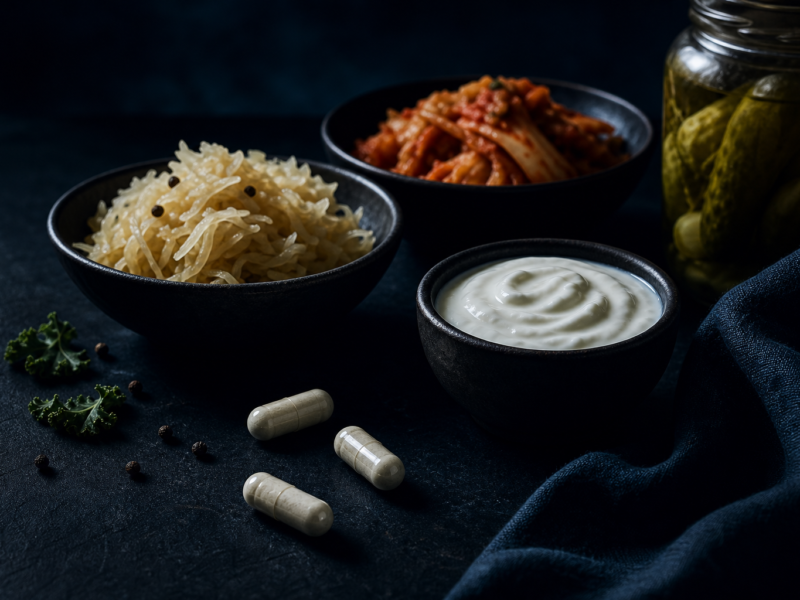
 Elena Voss
 Daniel Brooks