 Elena Voss
Healing leaky gut requires a systematic approach that addresses the root causes, removes the triggers, and actively rebuilds the gut lining. The good news: the intestinal lining renews itself completely every 5–7 days under optimal conditions — meaning significant improvement is possible within weeks of starting the right protocol. Adding psyllium husk and prebiotic fibre is one of the most effective reinoculation strategies.
The 5R Protocol for Healing Leaky Gut
The most evidence-based framework for gut healing is the 5R protocol — Remove, Replace, Reinoculate, Repair, Rebalance — used by functional medicine practitioners.
1. Remove
Eliminate the triggers causing gut barrier damage:
- Ultra-processed foods — emulsifiers (carrageenan, polysorbate 80, CMC) directly disrupt tight junctions and alter gut bacteria
- Alcohol — directly increases intestinal permeability within hours of consumption
- NSAIDs (ibuprofen, aspirin) — damage the gut lining and increase permeability; use alternatives where possible
- Food intolerances — identify and eliminate your personal triggers (gluten and dairy are most common; an elimination diet helps identify others)
- Chronic stress — cortisol directly loosens tight junctions; stress management is non-negotiable for gut healing
- Infections — SIBO, H. pylori, Candida overgrowth all need to be addressed if present
2. Replace
Support digestive function that may be impaired:
- Digestive enzymes — support breakdown of food, reducing undigested particles that irritate the gut lining
- Stomach acid support — betaine HCl with pepsin (if low stomach acid is suspected); apple cider vinegar with meals
- Bile support — ox bile or digestive bitters if fat malabsorption is present
3. Reinoculate
Rebuild a healthy gut microbiome:
- Probiotics — Lactobacillus and Bifidobacterium species restore beneficial bacteria; Saccharomyces boulardii specifically reduces intestinal permeability in RCTs
- Prebiotics and fibre — feed beneficial bacteria; psyllium husk and glucomannan are among the most effective prebiotic fibres for gut healing; garlic, onion, leek and Jerusalem artichoke also excellent
- Fermented foods — kefir, sauerkraut, kimchi, yoghurt, miso provide live cultures and postbiotics that support barrier function
4. Repair
Provide specific nutrients that rebuild the gut lining:
- L-glutamine — the primary fuel source for intestinal epithelial cells; 5–10g daily is the most evidence-backed gut-lining supplement; multiple RCTs show it reduces intestinal permeability and repairs tight junctions
- Zinc carnosine — specifically shown to repair gut lining; reduces permeability and heals ulcerations; 75mg twice daily used in clinical studies
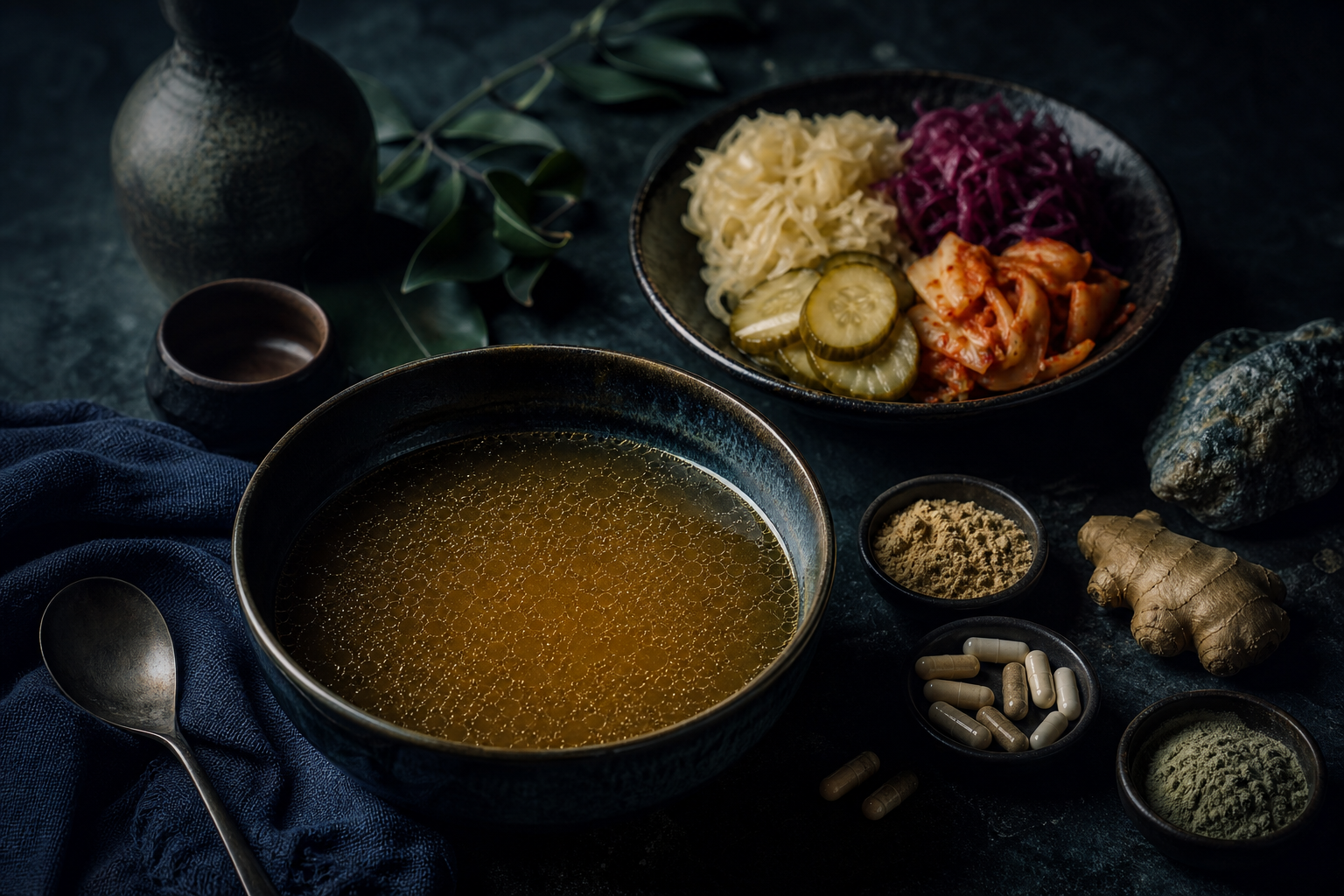
- Collagen / bone broth — provides glycine, proline, and hydroxyproline that support gut lining structure and tight junction integrity
- Butyrate — the preferred fuel of colon cells; reduces inflammation and strengthens the epithelial barrier; produced by gut bacteria from fibre, or supplemented directly
- Vitamin D — directly regulates tight junction proteins (claudin and occludin); deficiency is strongly associated with increased gut permeability
- Omega-3 fatty acids — reduce gut inflammation and support barrier function
- Quercetin — plant flavonoid that stabilises mast cells and strengthens tight junctions; 500mg daily used in studies
5. Rebalance
Address lifestyle factors that sustain gut health long-term:
- Sleep — gut repair happens during sleep; chronic poor sleep increases gut permeability
- Stress management — meditation, breathwork, and vagus nerve stimulation all reduce cortisol-driven gut permeability
- Exercise — moderate exercise improves microbiome diversity and gut barrier function; excessive endurance exercise temporarily increases permeability
- Eating rhythm — consistent meal timing supports the migrating motor complex (gut’s housekeeping wave)
Timeline for Healing
- Days 1–7: Remove triggers; begin L-glutamine and probiotics; initial gut lining renewal begins
- Weeks 2–4: Reduced bloating and digestive symptoms; skin may improve
- Weeks 4–8: Significant reduction in food intolerances and systemic symptoms; energy and brain fog improving
- Months 3–6: Full gut lining healing; sustained microbiome changes; reduced autoimmune activity
Frequently Asked Questions
The most effective approach combines: removing triggers (processed foods, alcohol, NSAIDs, personal food intolerances), rebuilding gut bacteria (probiotics, fermented foods, prebiotic fibre including psyllium husk), and repairing the gut lining with targeted nutrients — primarily L-glutamine (5–10g daily), zinc carnosine, collagen/bone broth, vitamin D, and butyrate. Managing chronic stress is equally critical. Most people see significant improvement within 4–8 weeks.
The best foods for healing leaky gut are: bone broth (collagen, glycine, glutamine), fermented foods (kefir, sauerkraut, kimchi), cooked vegetables, wild salmon (omega-3 anti-inflammatory), collagen-rich foods, prebiotic foods (garlic, leek, psyllium husk, glucomannan, cooked and cooled potatoes for resistant starch). Avoid raw food, high-FODMAP foods, gluten, processed foods, and alcohol during the healing phase.
The gut lining renews itself every 5–7 days, so initial improvement is possible within weeks. Digestive symptoms typically improve within 4–6 weeks. Systemic symptoms (brain fog, skin, joint pain) take 6–12 weeks. Full microbiome restoration takes 3–6 months of consistent effort.
This article is for informational purposes only. Work with a healthcare provider or functional medicine practitioner for a personalised gut healing protocol.
Related: MSM Benefits for Joints | Collagen for Skin and Joints
Related: Bone Broth Benefits | Collagen Guide | How to Heal Leaky Gut

 Dr. Maya Chen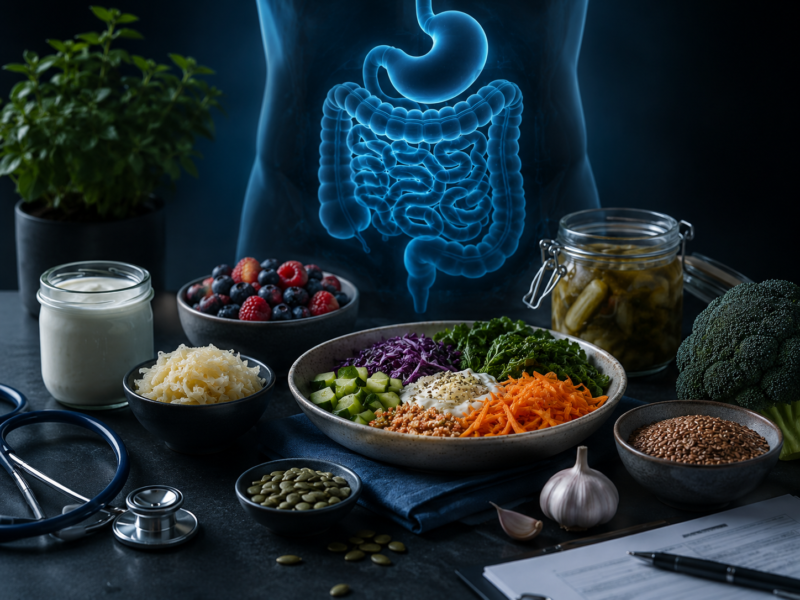
 James Hargreaves
 Emma Thornton

 Rachel Summers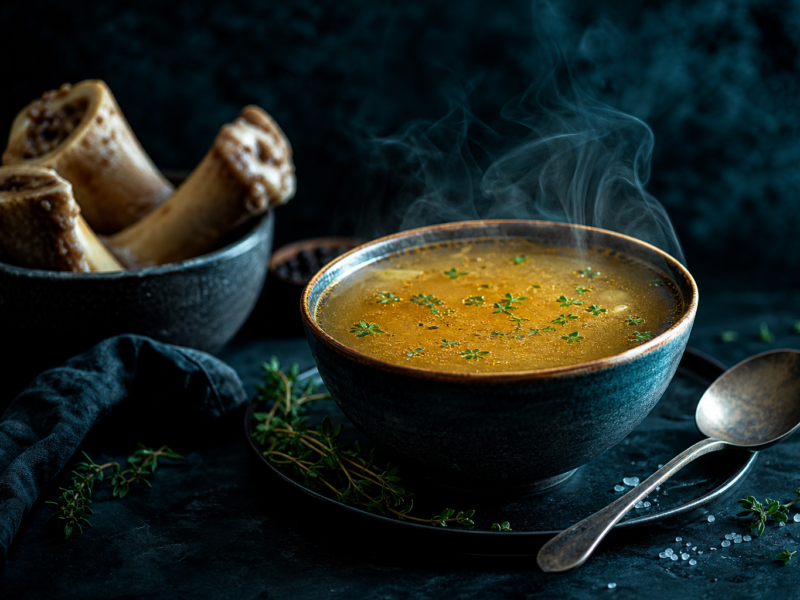
 Elena Voss