
 James Holloway
Chronic fatigue is one of the most common complaints in modern life — and one of the most inadequately addressed. Rather than reaching for another coffee, understanding the physiological causes of fatigue and targeting them with evidence-backed supplements can produce sustainable energy improvements without dependency or crash cycles.
Why Energy Supplements Work (When They Do)
Sustainable energy comes from: mitochondrial ATP production efficiency, adrenal/cortisol regulation, thyroid function, nutrient sufficiency (deficiencies in B12, iron, magnesium, and vitamin D are direct causes of fatigue), and neurotransmitter balance (dopamine and norepinephrine drive motivation and alertness). The best supplements for energy target one or more of these pathways rather than simply stimulating the central nervous system with caffeine.
Best Supplements for Energy
1. Magnesium
Every ATP molecule must be bound to magnesium to be biologically active — making magnesium the most fundamental energy supplement. Up to 50% of people are deficient. Magnesium deficiency causes fatigue, muscle weakness, brain fog, and poor sleep — all of which directly impair energy. Supplementing magnesium glycinate (300–400mg at night) often produces significant energy improvements within 1–2 weeks in deficient individuals — not through stimulation but through restoring normal cellular energy production.
2. B Vitamins (Especially B12 and B6)
B vitamins are essential cofactors in the mitochondrial energy production cycle (Krebs cycle). B12 deficiency is one of the most common reversible causes of profound fatigue and is frequently missed. B6 is required for neurotransmitter synthesis (dopamine, serotonin). A B-complex supplement or standalone B12 (methylcobalamin form, 500–1000mcg) can produce dramatic energy improvements in deficient individuals — particularly vegans, older adults, and metformin users.
3. CoQ10
CoQ10 is an essential component of the mitochondrial electron transport chain. Levels decline significantly with age and are depleted by statins. For people with low CoQ10 (older adults, statin users, people with chronic fatigue), supplementation (100–300mg daily of ubiquinol) significantly improves energy levels. Multiple RCTs show CoQ10 reduces exercise-related fatigue and improves time to exhaustion. The ubiquinol form has 2–4x better bioavailability than ubiquinone.
4. Rhodiola Rosea
Rhodiola is the best adaptogen for mental and physical fatigue — with multiple RCTs showing significant reductions in burnout, fatigue, and cognitive performance impairment under stress. Unlike stimulants, rhodiola reduces the fatigue response to stress without causing dependency or sleep disruption (when taken in the morning). Dose: 200–400mg of standardised extract (3% rosavins, 1% salidroside) taken in the morning.
5. Cordyceps
Cordyceps improves cellular energy production through enhanced ATP synthesis and oxygen utilisation at the mitochondrial level. Multiple RCTs show cordyceps reduces fatigue and improves VO2 max in both athletes and older adults with fatigue. Dose: 1000–3000mg of Cordyceps militaris extract daily, taken in the morning.
6. Ashwagandha
Chronic stress and elevated cortisol are major drivers of fatigue — cortisol depletes cellular energy reserves and impairs sleep quality. Ashwagandha reduces cortisol by 20–30% in RCTs, improving energy through stress reduction rather than stimulation. Particularly effective for stress-related fatigue, burnout, and adrenal dysregulation. Dose: 300–600mg KSM-66 or Sensoril extract daily.
7. Iron (If Deficient)
Iron deficiency anaemia is one of the most common causes of fatigue worldwide — particularly in women of reproductive age. Even sub-clinical iron deficiency (low ferritin without frank anaemia) causes significant fatigue. Test ferritin levels before supplementing; ferritin below 30ng/ml is suboptimal even without anaemia. Ferrous bisglycinate is the most tolerable supplemental form — causes significantly less constipation than ferrous sulfate.
8. Vitamin D
Vitamin D deficiency causes fatigue, muscle weakness, and brain fog — and is extremely common in northern latitudes and office workers. Multiple studies show vitamin D supplementation reduces fatigue in deficient individuals. Optimal vitamin D levels (serum 25-OH-D of 50–80 ng/ml) are associated with significantly better energy levels and mood. Test before supplementing; most adults in northern climates need 2000–4000 IU daily to maintain optimal levels.
Frequently Asked Questions
The best energy supplement depends on the cause of your fatigue. For nutrient deficiency-related fatigue: magnesium, B12, iron, or vitamin D (test to confirm which applies). For stress and burnout-related fatigue: rhodiola rosea and ashwagandha. For mitochondrial/age-related energy decline: CoQ10 (ubiquinol) and cordyceps. Most people with chronic fatigue benefit from addressing magnesium and B12 first — deficiencies are common and corrections often produce dramatic improvement.
B vitamins are most directly involved in energy metabolism — they’re essential cofactors in the mitochondrial Krebs cycle. B12, B6, B2 (riboflavin), and B3 (niacin) are particularly important. However, B vitamins only improve energy if you’re deficient — taking them when replete produces no benefit. Iron (required for oxygen transport), magnesium (required for ATP activation), and vitamin D also directly affect energy levels through their fundamental roles in cellular function.
The supplements listed above have excellent safety profiles at recommended doses. They work through physiological mechanisms rather than central nervous system stimulation, making them safer and more sustainable than stimulant-based energy products. Iron should only be supplemented with confirmed deficiency (blood test) — excess iron is harmful. Always start with nutrient testing to identify actual deficiencies before supplementing, and consult a healthcare provider if fatigue is severe or unexplained.
This article is for informational purposes only. Persistent, unexplained fatigue should be investigated by a healthcare provider to rule out underlying medical conditions.


 Dr. Rachel Stone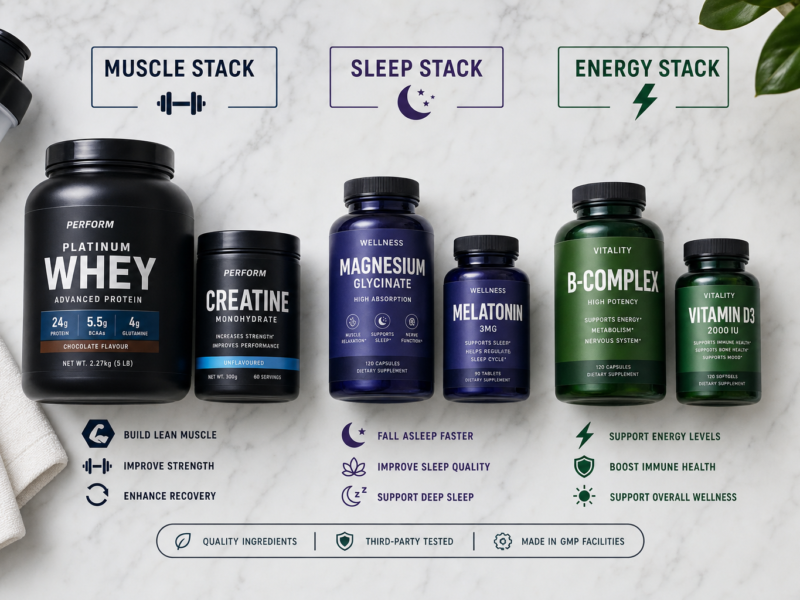
 James Hargreaves
 Emma Thornton
 Dr. Maya Chen
 Elena Voss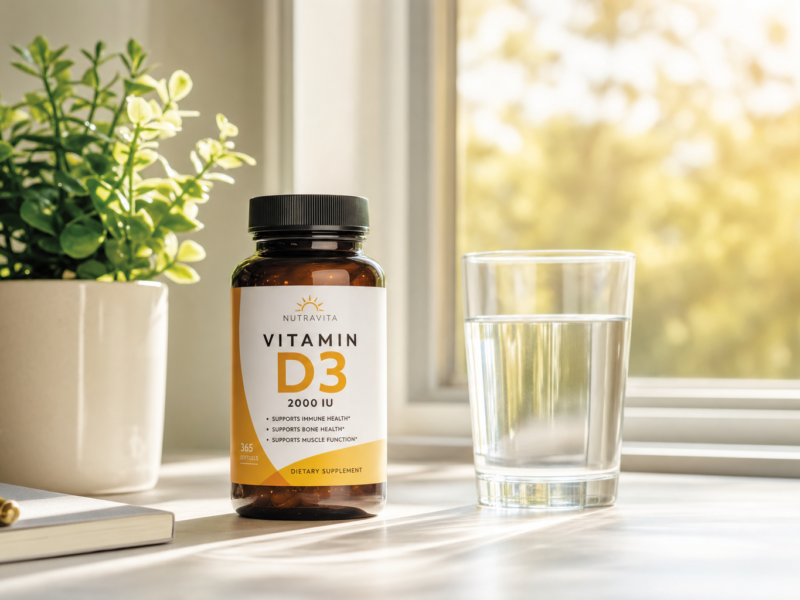
 Daniel Brooks