
 Dr. Maya Chen
Adaptogens are a class of herbs and mushrooms that help the body adapt to physical, chemical, and biological stress. The term was coined by Soviet pharmacologist Nikolai Lazarev in 1947 and refined through decades of research in both Eastern European and Asian medical traditions. Unlike stimulants that force a stress response or sedatives that suppress it, adaptogens work by modulating the HPA axis (hypothalamic-pituitary-adrenal axis) and the sympathoadrenal system — normalising stress physiology rather than overriding it.
What Makes an Adaptogen?
To qualify as an adaptogen, a substance must: be non-specific in action (acting on multiple organ systems), produce a normalising effect regardless of direction of pathological change, be safe and non-toxic at normal doses, and not significantly disturb normal physiological functions. This definition distinguishes true adaptogens from stimulants, nootropics, or general herbal remedies.
Complete Adaptogens List
Tier 1 — Most Studied, Strongest Evidence
- Ashwagandha (Withania somnifera) — the most studied adaptogen in Western research; reduces cortisol by up to 30% in RCTs, improves thyroid function, testosterone levels, anxiety, and physical performance; best evidence for stress and HPA axis regulation
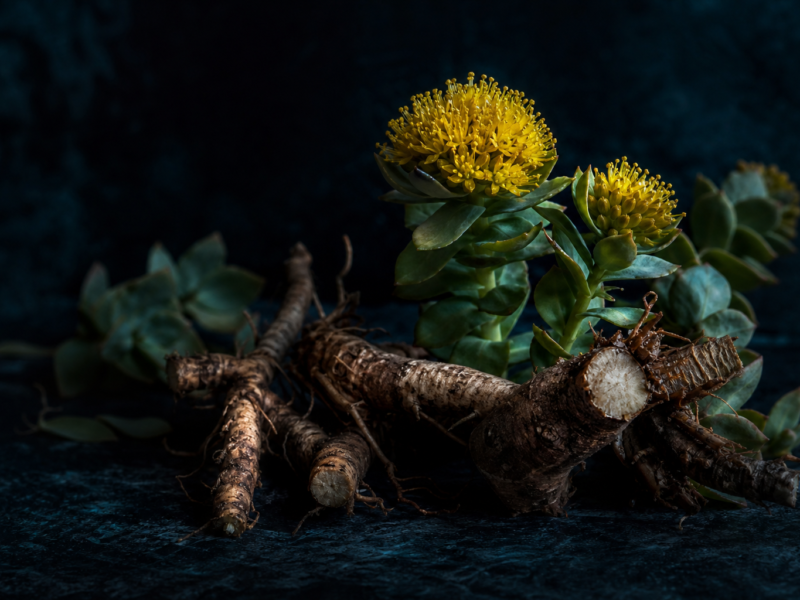
- Rhodiola rosea — best adaptogen for mental fatigue and performance under stress; reduces burnout, improves cognitive function, and reduces stress-induced fatigue; particularly effective for high-stress cognitive work
- Panax ginseng (Asian ginseng) — the original “king of adaptogens”; improves physical endurance, cognitive function, immune modulation, and blood sugar regulation; most evidence of any adaptogen for longevity
- Eleuthero (Siberian ginseng) — not true ginseng but classified as an adaptogen; strong evidence for physical performance, immune function, and stress resilience; extensively studied in Soviet space and military research
Tier 2 — Well-Studied with Good Evidence
- Holy basil (Tulsi, Ocimum sanctum) — Ayurvedic adaptogen with evidence for cortisol reduction, blood sugar regulation, and anti-inflammatory effects; good for stress-related metabolic disruption
- Schisandra chinensis — used in Traditional Chinese Medicine; improves mental performance under stress, liver protection, and physical endurance; contains lignans with adaptogenic and hepatoprotective effects
- Maca root (Lepidium meyenii) — Peruvian adaptogen; strongest evidence for hormonal balance, libido, energy, and menopausal symptom relief; classified as an adaptogen for its ability to modulate hormone systems without containing hormones
- Astragalus (Huang Qi) — immune adaptogen with strong evidence for immune modulation, longevity (telomere protection through telomerase activation), and cardiovascular protection
Tier 3 — Functional Mushroom Adaptogens
- Reishi (Ganoderma lucidum) — immune modulator, sleep support, stress reduction; classic adaptogen with 2,000+ years of use
- Cordyceps — energy and endurance adaptogen; improves VO2 max, reduces fatigue, adapts energy metabolism to demand
- Lion’s mane (Hericium erinaceus) — neuroregenerative adaptogen; stimulates NGF, supports cognitive function and stress resilience
- Chaga — antioxidant-rich immune adaptogen; modulates immune response, reduces oxidative stress
Tier 4 — Emerging or Traditional Adaptogens
- Moringa — nutritional adaptogen; reduces stress-induced oxidative damage
- Shatavari (Asparagus racemosus) — Ayurvedic female adaptogen; supports hormonal balance and stress response in women
- Gotu kola (Centella asiatica) — cognitive adaptogen; reduces anxiety, improves memory, supports stress resilience
- He Shou Wu (Fo-ti) — longevity adaptogen in TCM; some evidence for anti-ageing effects; significant liver toxicity concerns at high doses
- Jiaogulan (Gynostemma pentaphyllum) — contains adaptogenic saponins similar to ginseng; evidence for metabolic health and stress resilience
How to Choose an Adaptogen
| Goal | Best Adaptogen |
|---|---|
| Stress and cortisol reduction | Ashwagandha |
| Mental performance under stress | Rhodiola rosea |
| Energy and athletic performance | Cordyceps, Eleuthero |
| Immune support | Astragalus, Reishi, Panax ginseng |
| Hormonal balance (women) | Maca, Shatavari |
| Sleep and relaxation | Reishi, Ashwagandha |
| Brain health and cognition | Lion’s mane, Rhodiola, Gotu kola |
| Longevity | Astragalus, Panax ginseng, Schisandra |
Frequently Asked Questions
Adaptogens are a class of herbs and functional mushrooms that help the body adapt to stress by modulating the HPA axis (the stress response system). They normalise cortisol and stress hormone levels, improve stress resilience, and support energy without stimulating or sedating. The most studied adaptogens are ashwagandha, rhodiola, Panax ginseng, and eleuthero. Functional mushrooms including reishi, cordyceps, and lion’s mane are also classified as adaptogens.
Yes — for the top-tier adaptogens, the evidence is solid. Ashwagandha has multiple RCTs showing 20–30% cortisol reduction and significant stress, anxiety, and sleep improvements. Rhodiola has strong evidence for reducing mental fatigue and improving performance under stress. Panax ginseng has decades of clinical trial data. The key is matching the adaptogen to your specific goal and using a quality standardised extract.
Yes — combining adaptogens is common and often beneficial. Classic combinations: ashwagandha + rhodiola (stress reduction + cognitive performance), lion’s mane + reishi (brain health + sleep), cordyceps + Panax ginseng (energy + immune function). Traditional formulas in Ayurveda and TCM routinely combine multiple adaptogens. Start with individual adaptogens to assess response before combining.
This article is for informational purposes only. Consult a healthcare provider before starting adaptogenic supplements if you are pregnant, breastfeeding, or take prescription medications.
Related reading: Ashwagandha Benefits for Women, Rhodiola Benefits, Cordyceps Benefits, Maca Root Benefits.
Further reading: Intermittent Fasting and Longevity | Hormones and Aging: What Changes and Why | Complete Adaptogens Guide
Further reading: Intermittent Fasting and Longevity | Hormones and Aging: What the Evidence Shows
Related: Shilajit Benefits | Rhodiola Benefits | Adaptogens Guide


 Elena Voss
 Dr. Maya Chen
 Sarah Mitchell
 Ashley