 Dr. Maya Chen
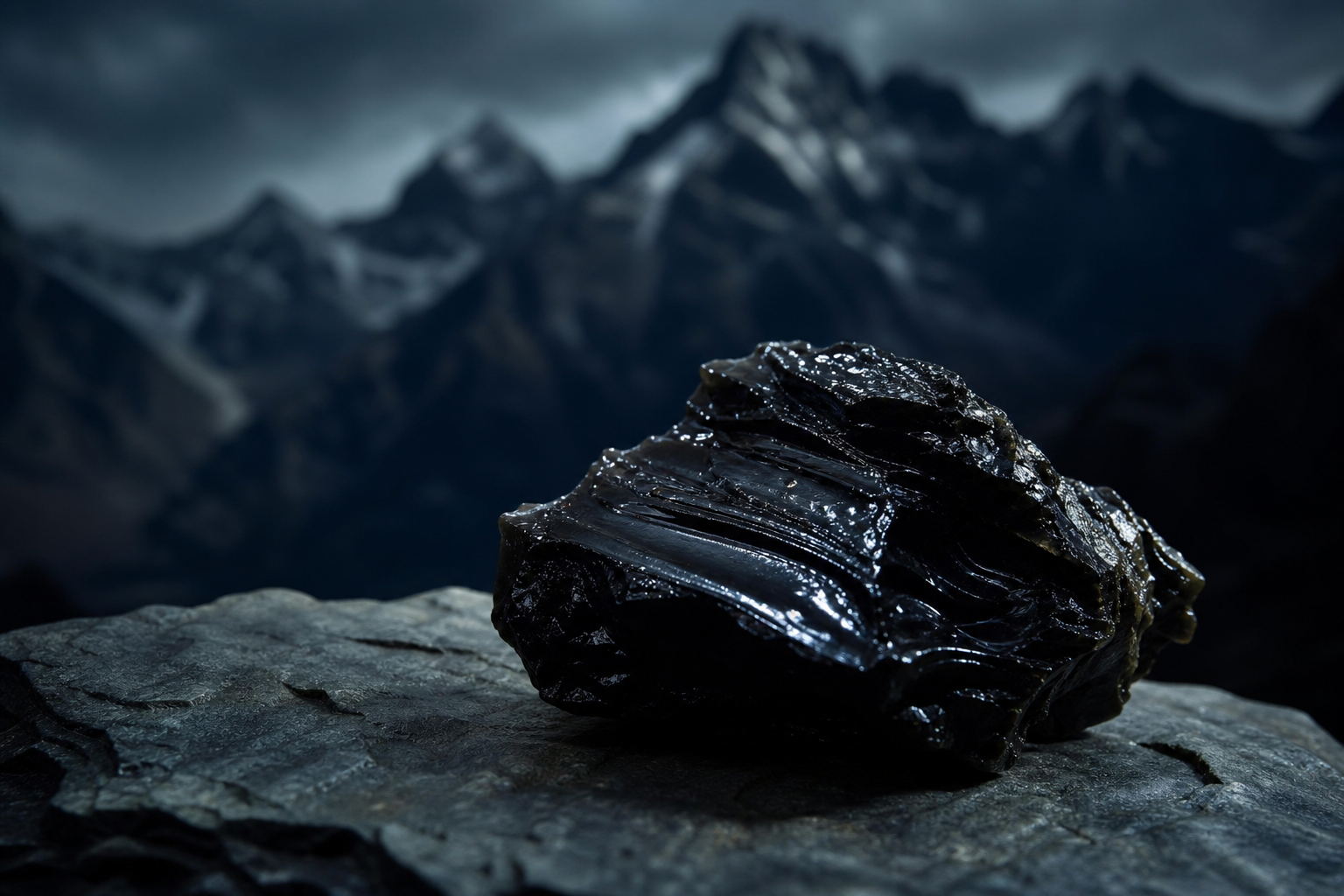
Shilajit is a sticky, tar-like resin found primarily in the rocks of the Himalayas, Altai, Caucasus, and other mountain ranges. It forms over centuries from the slow decomposition of plant matter and contains over 84 minerals, fulvic acid, humic acid, and a range of bioactive compounds. Used for millennia in Ayurvedic medicine as a “destroyer of weakness,” shilajit has attracted growing scientific interest — with the 2025 evidence base showing promising but still limited results.
What Makes Shilajit Unique?
Shilajit’s primary bioactive component is fulvic acid — typically 60–80% of its composition — alongside dibenzo-α-pyrones (DBPs), humic acids, and a wide spectrum of trace minerals. Fulvic acid is a small-molecular-weight compound that acts as a carrier molecule — enhancing cellular membrane permeability and potentially improving the uptake of other nutrients. It also has antioxidant properties and may support mitochondrial function. The combination of fulvic acid with DBPs and minerals creates a unique phytochemical profile not found in other supplements.
Shilajit Benefits
1. Testosterone Support in Men — Most Evidenced Benefit
The most notable human clinical trial for shilajit found significant increases in total testosterone, free testosterone, and DHEAS in healthy men aged 45–55 after 90 days of supplementation with purified shilajit at 250mg twice daily — compared to placebo. Published in the journal Andrologia, this was a randomised, double-blind, placebo-controlled trial — the gold standard study design. The increases were statistically significant and clinically meaningful. A 2025 PMC review (PMC12848467) further confirmed this testosterone-supporting evidence. However — importantly — this is one primary trial. Cleveland Clinic notes that while promising, larger independent replications are still needed before shilajit can be recommended as a proven testosterone treatment.
2. Energy and Fatigue Reduction
Shilajit is widely used for energy and fatigue in Ayurvedic practice. The scientific basis: fulvic acid and DBPs may support mitochondrial function and ATP production — the cell’s energy currency. A 2025 pilot study (PMC6364418) reported reduced subjective fatigue and lower CRP (a marker of inflammation) in participants taking shilajit. However, current expert reviews — including Cleveland Clinic — describe the energy evidence as “promising but insufficient,” based primarily on small studies and pilot trials rather than large replicated RCTs. The biological mechanisms are plausible; robust human proof is not yet there.
3. Cognitive Function and Alzheimer’s Prevention
Fulvic acid has been studied for its potential to inhibit tau protein aggregation — a key pathological process in Alzheimer’s disease. In vitro studies suggest fulvic acid disaggregates tau filaments and prevents their aggregation. Shilajit has also been proposed to reduce amyloid-beta accumulation. These are compelling preliminary findings from laboratory research. Human trials testing shilajit for cognitive outcomes are not yet completed, but the mechanistic basis is scientifically interesting.
4. Antioxidant and Anti-Inflammatory Effects
Fulvic acid and humic acids have well-documented antioxidant activity. Shilajit reduces markers of oxidative stress and inhibits inflammatory pathways in both animal and human studies. The 2025 pilot study noted significant reduction in CRP alongside fatigue improvement. These effects may contribute to its traditional use for general vitality and healthy ageing, though the clinical significance of this antioxidant activity in practical health terms remains to be fully established.
5. Iron Deficiency Anaemia
One small clinical trial found shilajit supplementation in women with iron deficiency anaemia significantly increased haemoglobin, haematocrit, and red blood cell count. The mechanism proposed is improved iron bioavailability through fulvic acid’s carrier properties. This is preliminary but genuinely interesting — shilajit may enhance iron absorption from food and supplements.
Quality and Safety: Critical Considerations
Shilajit quality varies dramatically and contamination is a significant concern. Raw or unprocessed shilajit can contain heavy metals (lead, arsenic, mercury) and mycotoxins — the rocks it seeps from are not always clean. Only purified, laboratory-tested shilajit from reputable manufacturers should be considered. Look for products that specify purified shilajit resin or standardised extract with third-party heavy metal testing. Himalayan or Altai-sourced shilajit from brands that provide certificates of analysis is the safest choice.
How to Take Shilajit
- Dose: 250–500mg daily of purified shilajit resin or standardised extract
- The testosterone trial dose: 250mg twice daily (500mg total) for 90 days
- Form: Resin (dissolve a pea-sized amount in warm water or milk), capsules, or powder
- Timing: Morning and/or early afternoon — avoid evening use due to potential energising effects
- Cycling: Some practitioners recommend cycling — 8 weeks on, 2 weeks off — though no clinical evidence supports this as necessary
Frequently Asked Questions
Shilajit’s best-evidenced effect is supporting testosterone levels in men aged 45–55 — confirmed in a randomised placebo-controlled trial showing significant increases in total and free testosterone after 90 days. It also shows promise for energy and fatigue reduction (pilot trial evidence), antioxidant and anti-inflammatory activity, and potential cognitive support through fulvic acid’s effects on tau protein. Overall the evidence is promising but still limited compared to well-established supplements.
Yes — based on one high-quality randomised placebo-controlled trial in men aged 45–55, purified shilajit at 250mg twice daily produced significant increases in total testosterone, free testosterone, and DHEAS after 90 days. A 2025 PMC review confirmed this evidence. However, this is primarily one trial — larger independent replications are needed before it can be definitively recommended as a testosterone booster.
Purified shilajit from reputable manufacturers appears safe at standard doses. The critical safety issue is quality — raw or poorly processed shilajit can contain heavy metals and mycotoxins from the rock formations it comes from. Only use purified shilajit with third-party heavy metal testing. Avoid if you have haemochromatosis (iron overload), sickle cell anaemia, or are pregnant. Consult a doctor before use if you take medication or have a chronic health condition.
This article is for informational purposes only. Always choose purified shilajit with third-party testing for heavy metals. Consult a healthcare provider before use if you have a health condition or take medication.

 James Hargreaves
 Sarah Mitchell
 Dr. Rachel Stone
 Elena Voss