 Elena Voss
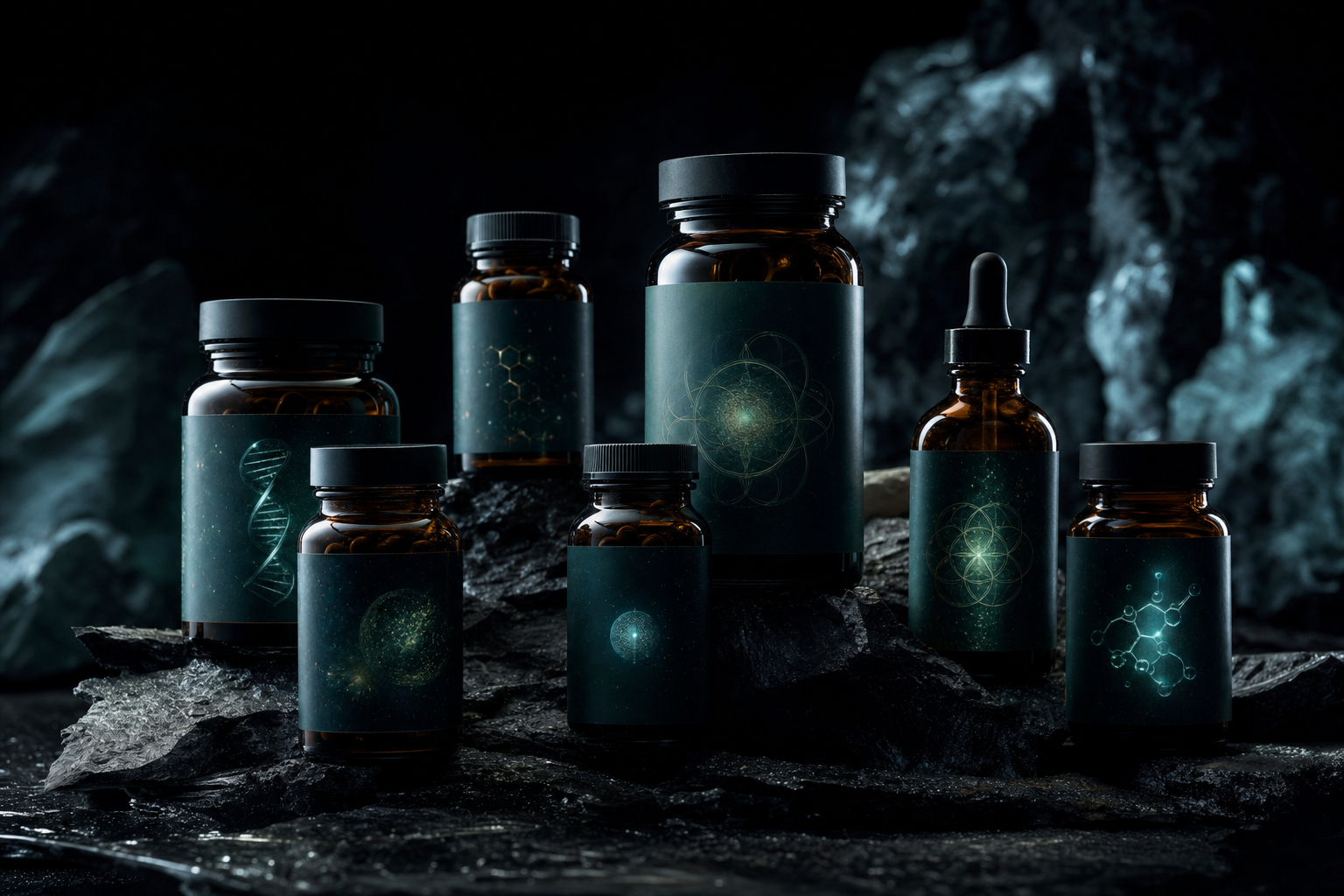
The longevity supplement space has exploded — NMN, NR, rapamycin, metformin, resveratrol, spermidine, and dozens of others all claim to extend lifespan or slow ageing. Some have compelling science behind them. Others are mostly marketing. Here’s an honest evaluation of the most studied longevity supplements in 2025.
The Most Evidence-Backed Longevity Supplements
1. NMN (Nicotinamide Mononucleotide) and NR (Nicotinamide Riboside)
Both are precursors to NAD+ (nicotinamide adenine dinucleotide) — a coenzyme critical for energy metabolism, DNA repair, and sirtuin activation. NAD+ levels decline significantly with age — by approximately 50% between ages 40 and 60 — and this decline is strongly associated with hallmarks of ageing.
Evidence: Animal studies show dramatic lifespan extension with NAD+ precursors. Human trials show NMN and NR successfully raise blood NAD+ levels, with improvements in metabolic markers, muscle function, and energy in older adults. A 2023 Phase II trial found NMN supplementation improved cardiovascular fitness and insulin sensitivity in 65+ adults. The human lifespan data doesn’t yet exist — but the mechanistic rationale is strong.
Dose: NMN 500–1000mg daily; NR 500–1000mg daily. Both are well-tolerated. NMN appears to have slightly superior oral bioavailability in recent studies.
2. Resveratrol
A polyphenol found in red wine, grapes, and berries — famous for activating sirtuins (SIRT1), the same longevity genes activated by caloric restriction. Early research by David Sinclair’s lab produced extraordinary results in animal models.
Evidence: Human trials have been more mixed than animal studies. Resveratrol is poorly absorbed from supplements (bioavailability ~1% in standard form) and is rapidly metabolised. However, fat-soluble forms (trans-resveratrol with piperine or in nanoparticle formulations) show better results. At high doses (1g+ daily) in some human trials, improvements in metabolic markers were seen. Often stacked with NMN, as Sinclair takes both.
Dose: 500mg–1g daily of high-bioavailability form, taken with fat (resveratrol is fat-soluble).
3. Spermidine
A naturally occurring polyamine found in high concentrations in wheat germ, soybeans, mushrooms, and aged cheese. Spermidine is one of the most potent natural autophagy inducers known — it activates the same cellular self-cleaning process targeted by caloric restriction and rapamycin.
Evidence: Population studies consistently find higher dietary spermidine intake associated with lower all-cause mortality. A 2018 observational study in 829 participants found those with the highest spermidine intake had significantly lower cardiovascular disease risk and reduced mortality over a 20-year follow-up. A 2021 RCT found spermidine supplementation improved cognitive function in older adults with subjective cognitive decline.
Dose: 1–3mg daily (or increase dietary intake through wheat germ, mushrooms, soybeans, aged cheese).
4. Berberine
An alkaloid from various plants (Berberis, goldenseal) that activates AMPK — the same energy-sensing pathway activated by caloric restriction and exercise. Often called “nature’s metformin” because it produces many of the same metabolic effects through similar mechanisms.
Evidence: Exceptionally strong for metabolic health — multiple RCTs show berberine lowers blood glucose, improves insulin sensitivity, reduces LDL cholesterol, and reduces inflammation comparably to metformin in some studies. Its longevity-specific mechanisms (AMPK activation, gut microbiome modulation) are well-established. Direct human longevity data is unavailable, but the mechanistic case is compelling.
Dose: 500mg 2–3 times daily with meals. Has good tolerability but can cause GI discomfort; start low.
5. Quercetin + Dasatinib (Senolytics)
Senolytics are a class of compounds that selectively eliminate senescent cells — “zombie cells” that have stopped dividing, resist apoptosis, and secrete pro-inflammatory signals (the senescence-associated secretory phenotype, SASP) that drive age-related disease. Quercetin (a flavonoid found in onions and capers) combined with dasatinib (a cancer drug) was the first senolytic combination to demonstrate effectiveness in human clinical trials.
Evidence: Multiple small human trials showing senolytic treatment reduces biomarkers of cellular senescence, improves physical function in older adults, and may benefit diabetic kidney disease. This is an active and promising research area. Dasatinib requires a prescription; quercetin alone (500–1000mg daily) may provide some partial senolytic benefit.
Frequently Asked Questions
The most evidence-backed longevity supplements are: NMN/NR (NAD+ precursors that restore declining NAD+ levels), spermidine (potent autophagy inducer with population mortality data), berberine (AMPK activator with strong metabolic evidence), resveratrol (sirtuin activator; choose high-bioavailability forms), and senolytics like quercetin. Rapamycin and metformin have the strongest mechanistic and some human evidence but require medical supervision.
NMN reliably raises blood NAD+ levels, which decline significantly with age. Human trials show improvements in metabolic markers, insulin sensitivity, cardiovascular fitness, and muscle function in older adults. Whether this translates to extended lifespan in humans remains unknown — the trials haven’t run long enough to show this. The mechanistic rationale is strong based on NAD+’s role in DNA repair, energy metabolism, and sirtuin activation.
For metabolic health, several studies show comparable effects — berberine reduces blood glucose, improves insulin sensitivity, lowers LDL cholesterol, and activates AMPK through similar pathways to metformin. Berberine is available without prescription and may also benefit gut microbiome composition. It doesn’t have metformin’s long-term human data, but for those seeking non-prescription metabolic support, berberine has a solid evidence base.
Sinclair has publicly discussed taking: NMN (1g daily in the morning), resveratrol (1g daily with yogurt for fat absorption), metformin (1g daily, though he pauses this on exercise days), berberine on non-metformin days, quercetin and fisetin periodically as senolytics, and vitamin D3 + K2. Note: his protocol is personal and not a clinical recommendation; some supplements he takes (metformin) require a prescription.
This article is for informational purposes only and does not constitute medical advice. Consult a healthcare provider before beginning any longevity supplement protocol.
Related Articles
- What Is NAD+? Benefits, How It Works, and How to Boost It
- How to Increase Autophagy: The Complete Guide
- Longevity Diet Plan: What to Eat to Live Longer
- Caloric Restriction and Longevity: What the Science Actually Shows
- Anti-Aging Foods: The Best Foods to Eat to Slow Biological Ageing
Related reading: Longevity Diet Plan, Caloric Restriction and Longevity, What Is Spermidine?, What Is NAD+?.
Related: Longevity Breakthroughs 2025 and The Longevity Diet 2025.Related: Hydration and Longevity: How Water Intake Shapes Energy, Skin, and Aging


 Daniel Brooks
 Emma Thornton
 James Holloway
 Elena Voss