 Dr. Maya Chen
The anti-inflammatory diet isn’t a specific named diet — it’s a way of eating that consistently reduces chronic, low-grade inflammation throughout the body. Chronic inflammation underlies virtually every major modern disease: heart disease, type 2 diabetes, cancer, Alzheimer’s, autoimmune conditions, and depression. The food choices you make daily either feed inflammation or fight it. Adding high-fibre foods like psyllium husk and glucomannan directly feeds anti-inflammatory gut bacteria through their prebiotic fibre content.
What Is an Anti-Inflammatory Diet?
An anti-inflammatory diet emphasises whole, minimally processed foods rich in antioxidants, polyphenols, omega-3 fatty acids, and fibre — all of which reduce inflammatory signalling — while minimising processed foods, refined carbohydrates, industrial seed oils, and excess sugar that drive inflammation. The Mediterranean diet is the most studied anti-inflammatory eating pattern, with the most robust evidence for reducing inflammatory biomarkers (CRP, IL-6, TNF-α) and reducing chronic disease risk.
Best Anti-Inflammatory Foods
Fatty Fish
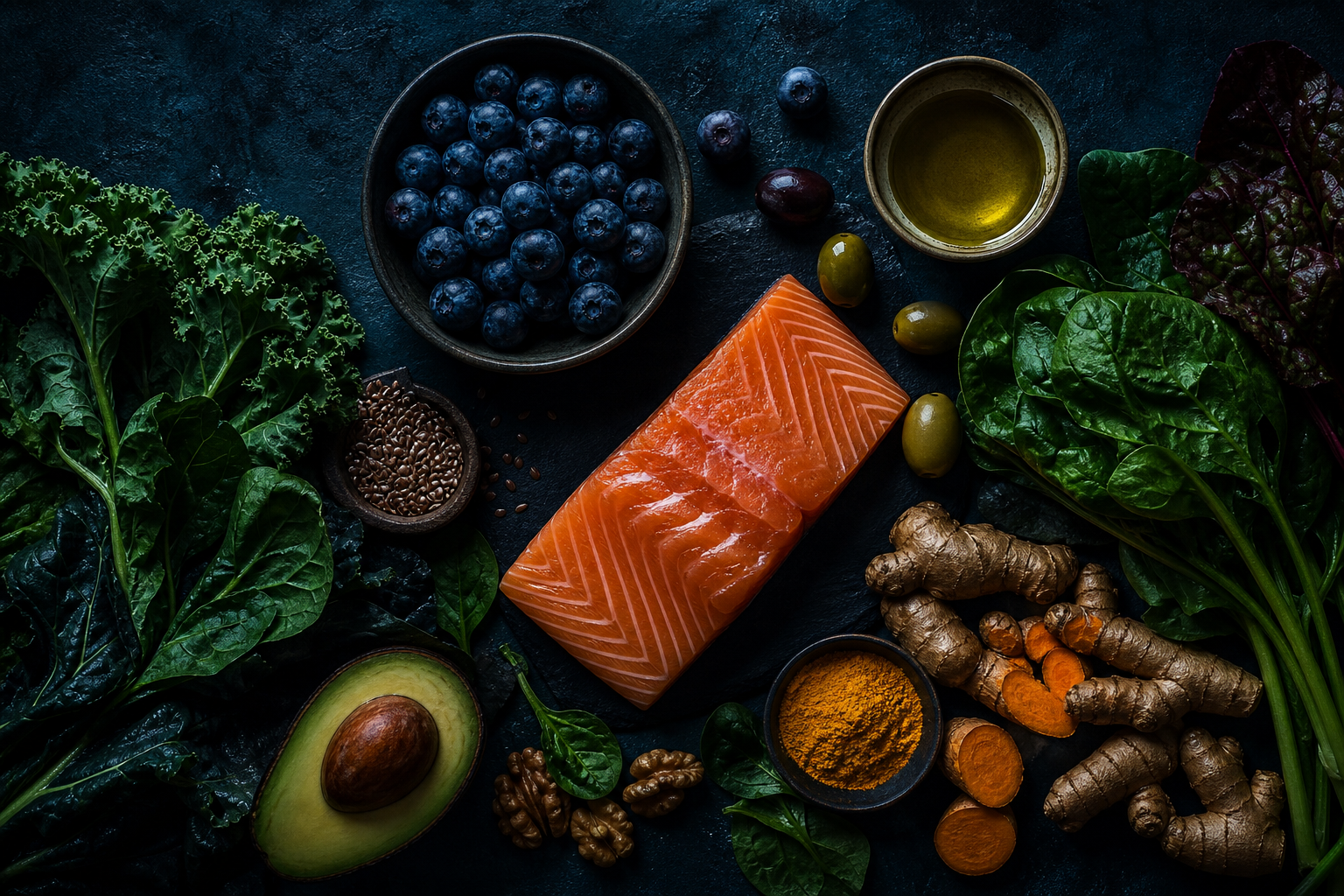
Salmon, mackerel, sardines, anchovies, and herring are the most powerful anti-inflammatory foods in the diet. Their omega-3 fatty acids (EPA and DHA) are direct precursors to resolvins and protectins — molecules that actively resolve inflammation. Studies show 2–3 servings weekly significantly reduce CRP, IL-6, and TNF-α. Aim for at least 2 portions of fatty fish per week.
Colourful Vegetables and Fruits
Polyphenols and antioxidants in brightly coloured produce neutralise free radicals and inhibit NF-κB — the master inflammation switch. Key choices: blueberries and dark berries (anthocyanins), leafy greens (quercetin, kaempferol), cruciferous vegetables (sulforaphane), tomatoes (lycopene), and citrus (vitamin C, hesperidin). Aim for 7–10 servings of vegetables and fruit daily with maximum colour diversity.
Extra Virgin Olive Oil
EVOO contains oleocanthal — a compound with ibuprofen-like COX-inhibiting properties — and oleic acid, which reduces inflammatory gene expression. The PREDIMED trial found EVOO-supplemented Mediterranean diet reduced cardiovascular events by 30%. Use 2–4 tablespoons daily as your primary cooking fat.
High-Fibre Foods
High-fibre foods feed anti-inflammatory gut bacteria that produce butyrate — a short-chain fatty acid that reduces gut and systemic inflammation. Psyllium husk is one of the best fibre supplements for this purpose. Glucomannan is another excellent option — it selectively feeds beneficial gut bacteria and supports a healthy inflammatory balance. Lentils, black beans, chickpeas, and oats are also excellent. Studies consistently show high dietary fibre intake reduces CRP levels.
Turmeric and Anti-Inflammatory Spices
Turmeric (curcumin — NF-κB inhibitor), ginger (gingerols — COX inhibitor), cinnamon (reduces blood sugar-driven inflammation), garlic (allicin — antibacterial and anti-inflammatory), and rosemary (rosmarinic acid) are potent anti-inflammatory additions. Use liberally in cooking. See our full guide on turmeric and inflammation.
Foods to Avoid on an Anti-Inflammatory Diet
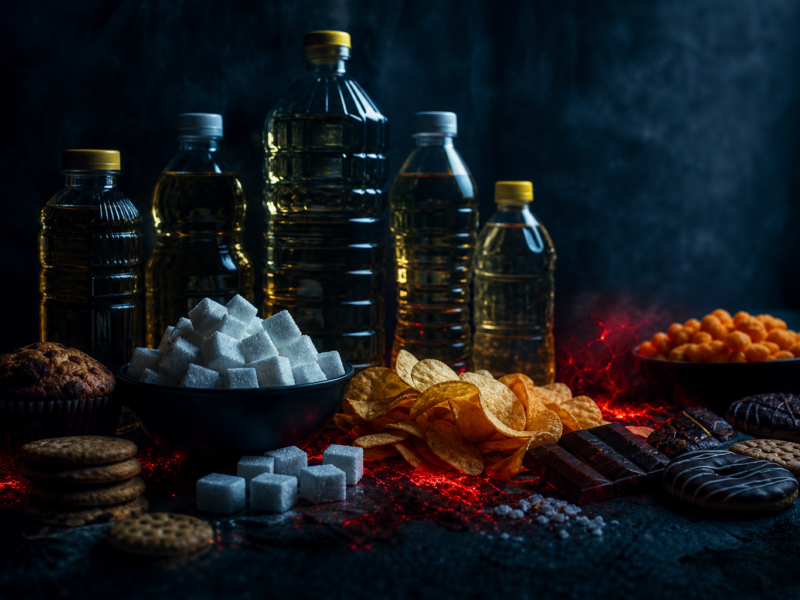
- Refined sugar and high-fructose corn syrup — drives AGE formation and activates NF-κB
- Industrial seed oils (soybean, corn, sunflower, canola) — high omega-6 drives inflammatory eicosanoid production
- Ultra-processed foods — additives, emulsifiers, and refined carbohydrates all drive inflammation
- Trans fats — found in partially hydrogenated oils and some margarines
- Excess alcohol — increases gut permeability and systemic LPS-driven inflammation
- Refined carbohydrates (white bread, pastries, white rice) — rapid blood sugar spikes drive inflammatory glycation
Frequently Asked Questions
An anti-inflammatory diet emphasises whole foods rich in omega-3 fatty acids (fatty fish, walnuts, flaxseeds), polyphenols and antioxidants (colourful vegetables, berries, green tea), extra virgin olive oil, herbs and spices (turmeric, ginger, garlic), and high-fibre foods like psyllium husk and glucomannan that feed anti-inflammatory gut bacteria. It minimises refined sugar, industrial seed oils, ultra-processed foods, and excess alcohol.
Measurable reductions in inflammatory biomarkers (CRP, IL-6) typically occur within 4–8 weeks of consistent dietary change. Symptom improvements — reduced joint pain, better energy, clearer skin, improved gut symptoms — can begin within 2–4 weeks. The anti-inflammatory diet produces cumulative benefits over months and years.
The most pro-inflammatory foods are: refined sugar and high-fructose corn syrup, industrial seed oils (soybean, corn, sunflower), ultra-processed foods containing additives and emulsifiers, trans fats, refined carbohydrates, and excess alcohol. These drive inflammation through NF-κB activation, AGE formation, gut permeability, and omega-6/omega-3 imbalance.
This article is for informational purposes only and represents general dietary guidance. Consult a healthcare provider or registered dietitian for personalised nutritional advice.
Related: Chlorophyll Benefits | Anti-Inflammatory Diet | Best Supplements for Energy
Related: Soursop Benefits and Cancer Claims | Anti-Inflammatory Diet


 Dr. Rachel Stone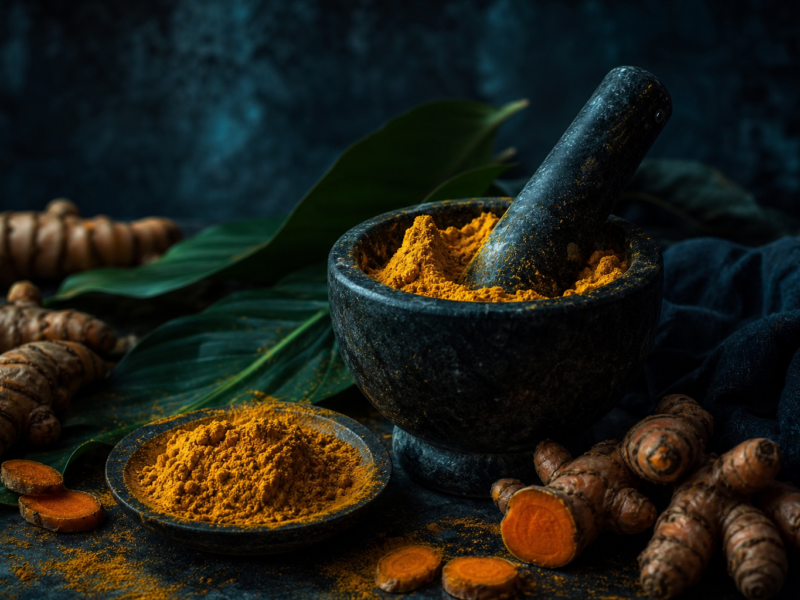
 Elena Voss