 James Hargreaves
Introduction
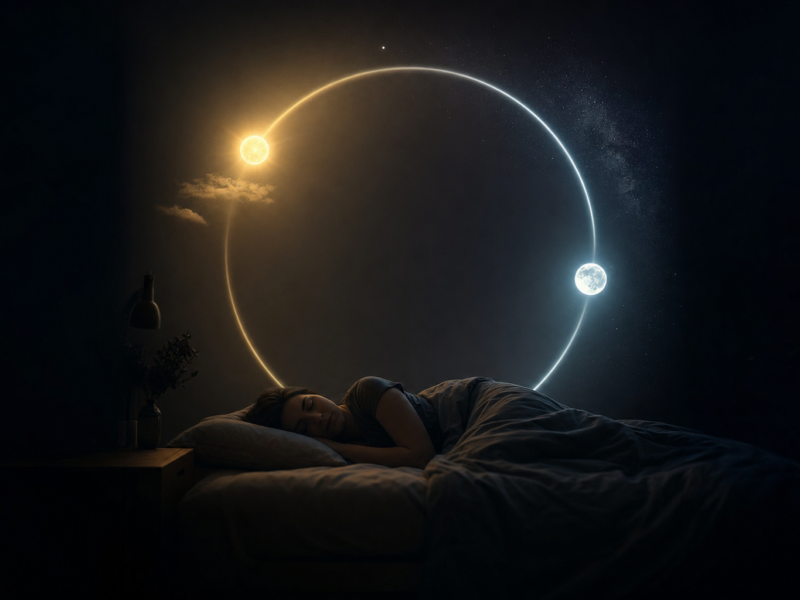
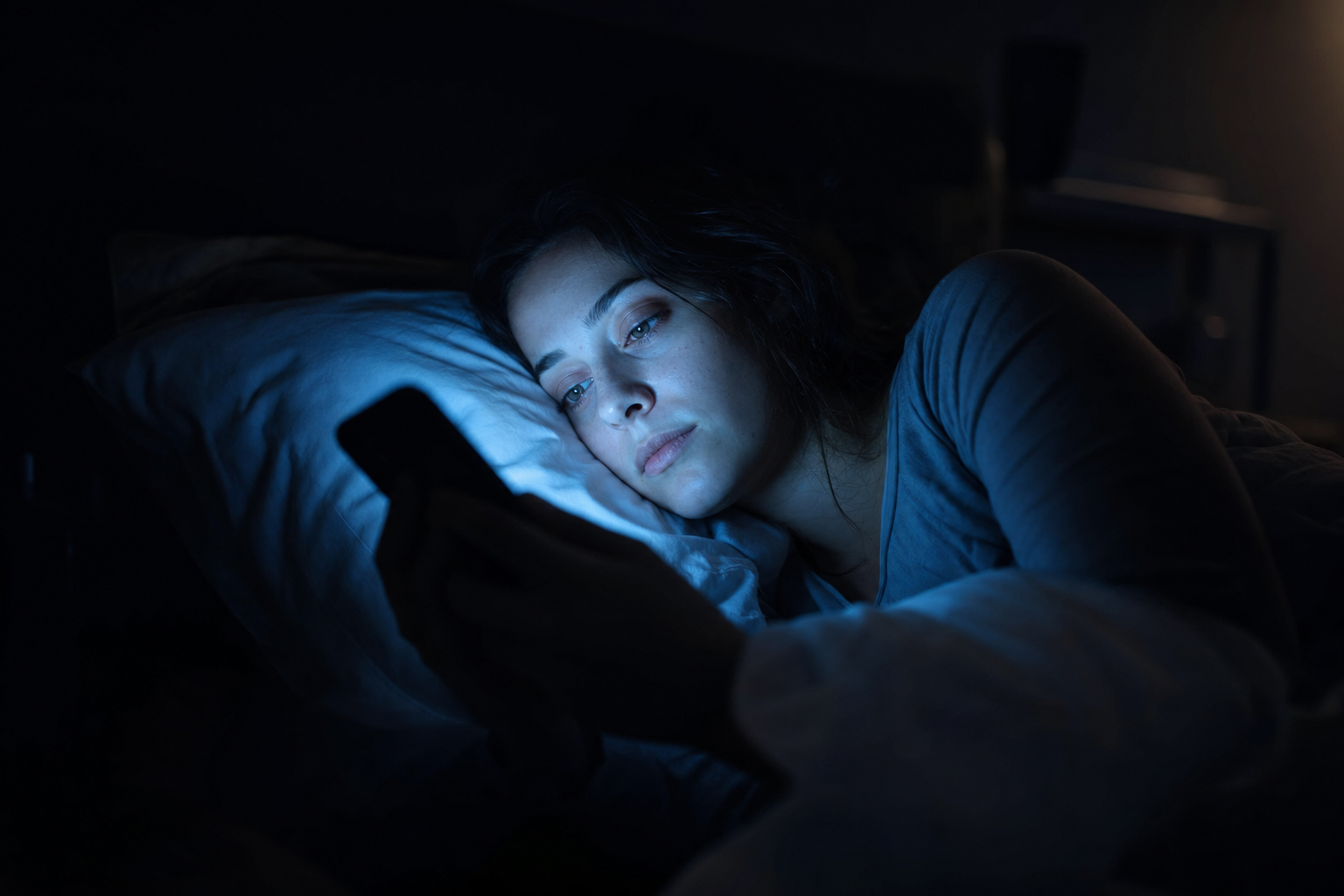
Imagine lying in bed, scrolling your phone—thinking you’re winding down, but in reality you’re sabotaging your brain’s sleep switch. Light that looks harmless can delay sleep by over 2 hours, rewiring your internal clock and silently robbing you of rest. In 2025, the latest research reveals how blue light not only shifts sleep but harms metabolism, mood, and aging. Here’s everything you need to know—plus evidence-based tools that finally help you reclaim deep sleep.
What Is Blue Light and Why Should You Fear It?
Blue light is part of the visible light spectrum—high-energy and short wavelength. The sun delivers it naturally during the day, but LEDs, phone screens, and ceiling lights are mimicking daylight at the worst times.
Why Your Brain Confuses It
Blue light suppresses the production of melatonin—your body’s sleep hormone—telling your body it’s still daytime. This impacts your circadian rhythm, your sleep cycles, and even your metabolism.
Harvard Health

The Science Behind Blue Light and Sleep Disruption
Research Speaks
-
A 2023 Sleep Medicine study found that 30 minutes of smartphone use at night delays melatonin onset by 90 minutes.
-
Another trial from NIH showed that chronic blue-light exposure over weeks increases daytime fatigue and cortisol levels.
Sleep Medicine Journal
NIH Circadian Research
The Hidden Costs of Poor Sleep (Thanks to Blue Light)
-
Weight gain & insulin resistance – The cortisol spike from late-night light accelerates fat storage.
Endocrine Abstracts -
Mood disorders – Blue light–induced hormonal disruption derails mood stability, fueling anxiety and depression.
Journal of Affective Disorders -
Accelerated aging – Melatonin is a potent antioxidant; suppress it, and you fast-track oxidative brain damage.
Journal of Pineal Research
The Biggest Myths & Truths About Blue Light
| Myth | Reality |
|---|---|
| “Blue light is bad only from screens.” | Artificial lighting (LEDs) also disrupts melatonin—even overhead lights. |
| “Blue light glasses solve everything.” | They help some, but timing, screen brightness, and content matter far more. |
| “Only severe sleep disorders make a difference.” | Even mild nightly disruptions add up—especially for aging brains and health. |
Smart, Simple Science-Based Strategies That Work
1. Use “Dark Screen” Modes After Sunset
Switch your phone’s color temperature or use f.lux to reduce blue light hours before bed.
2. Swap to Warm Lighting in the Evening
Use warm (2200–2700K) LED bulbs in bedrooms and living areas after sundown.
3. Invest in 90-Minute Dimming Routines
Set smart bulbs (e.g., Philips Hue) to fade throughout the evening—cues your circadian rhythm.
4. Wear Certified Blue-Blocking Glasses
Pick lenses certified to block over 90% of blue wavelengths—especially if working at night.
5. Prepare with a 30-Min Wind-Down Ritual
Avoid bright screens, read printed books, or do gentle yoga. Teach your brain it’s time to sleep.
Expert Advisor Video
FAQs About Blue Light and Sleep
Q: Does blocking blue light completely fix sleep problems?
No—it’s a key tool, but must be paired with other good sleep behaviors (routine, darkness, timing).
Q: Can little kids be affected too?
Yes, children are even more sensitive—use warm lighting after dinner, not bright screens.
Q: What’s the best way to track improvement?
Use sleep journals or wearables to track consistent bedtime and quality metrics over weeks.
Conclusion: Take Back Your Nights—Your Health Depends On It
Blue light may look harmless, but science proves it disrupts your sleep and accelerates aging—all in the name of screen time. But the bright side? You have tools at home (lighting changes, glasses, routines) that work wonders. Protect your sleep—protect your life.
If you’re tired of brain fog and midday crashes, share this with a friend, update your post-dinner lighting tonight, and subscribe for more evidence-based sleep fixes.
Related reading: Sleep and Longevity, How Much Deep Sleep Do You Need?, Mouth Taping for Sleep.

 Rachel Summers
 Emma Thornton
 Sarah Mitchell
 Ashley