 Elena Voss
The Blue Zones — five regions of the world where people live measurably longer and healthier lives — have been studied extensively by researcher Dan Buettner and his team since the early 2000s. The five zones are Okinawa (Japan), Sardinia (Italy), Nicoya Peninsula (Costa Rica), Ikaria (Greece), and Loma Linda (California, USA).
Despite their geographical diversity, the diets of these populations share striking commonalities. Here’s what the world’s longest-lived people actually eat — and why it matters for the rest of us.
The Core Blue Zones Diet: What They All Share
1. Legumes — The Cornerstone Protein
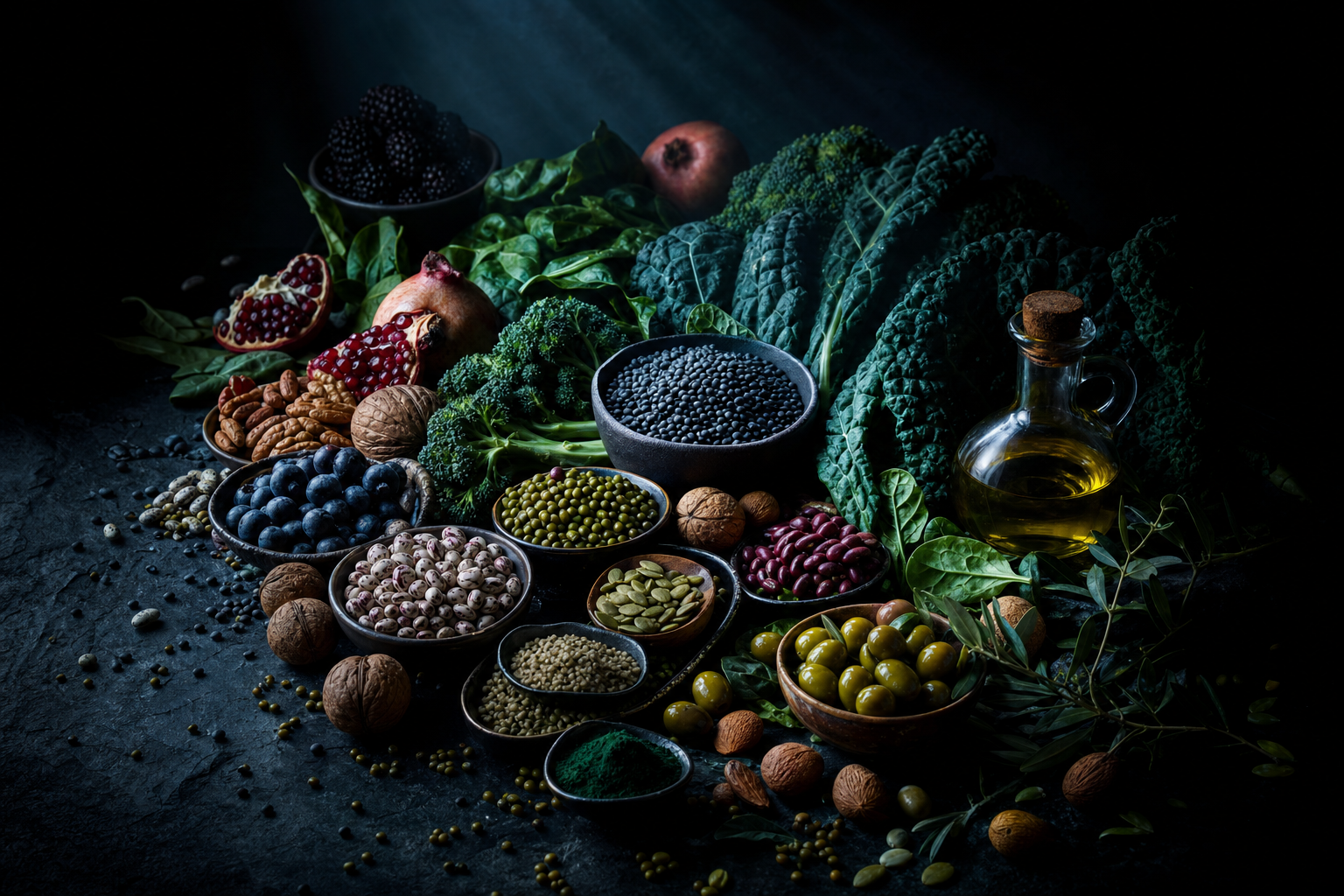
Across all five Blue Zones, legumes are the single most common food. Beans, lentils, chickpeas, black beans, soybeans (in Okinawa as tofu and edamame), and fava beans are consumed daily — typically as a primary protein source rather than a side dish. Blue Zone populations eat approximately one cup of legumes per day, compared to the much lower consumption in typical Western diets.
Legumes are associated with lower cardiovascular disease risk, better blood sugar regulation, increased satiety, and feeding diverse gut microbiome populations.
2. Whole Grains
Whole, minimally processed grains are a staple across Blue Zones — oats in Sardinia, corn tortillas in Nicoya, sourdough rye bread in Sardinia, and brown rice in Okinawa. These are not refined grains — they retain their bran and germ, providing fibre, B vitamins, and minerals that processed grains lack.
3. Vegetables — Especially Leafy Greens
Vegetables dominate every Blue Zone diet. Okinawans are famous for their purple sweet potatoes (high in anthocyanins), bitter melon, and seaweed. Sardinians eat wild greens and fennel. Ikarans consume enormous quantities of olive oil-dressed leafy greens. The emphasis is on dark, colourful, and variety — not just standard salad greens.
4. Nuts
Loma Linda Adventists — the longest-lived population in North America — eat nuts five times per week and show significantly lower rates of heart disease than comparable non-nut-eating populations. Nuts appear across all Blue Zones as snacks or additions to meals. Almonds in Sardinia, peanuts in Nicoya, and various tree nuts in Ikaria feature prominently.
5. Olive Oil
In the Mediterranean Blue Zones (Sardinia and Ikaria), olive oil is not just a cooking fat — it’s a condiment, a dressing, and a primary source of calories. These populations consume 4–6 tablespoons of extra virgin olive oil daily, which appears to provide significant cardiovascular and anti-inflammatory protection through its polyphenol content.
Blue Zone-Specific Superfoods
| Blue Zone | Signature Foods | Longevity Compounds |
|---|---|---|
| Okinawa, Japan | Purple sweet potato, tofu, seaweed, bitter melon | Anthocyanins, isoflavones, fucoidan |
| Sardinia, Italy | Pecorino cheese, sourdough bread, fava beans, wine | Probiotics, resistant starch, polyphenols |
| Nicoya, Costa Rica | Black beans, corn tortillas, squash, papaya | Fibre, carotenoids, antioxidants |
| Ikaria, Greece | Wild greens, olive oil, chickpeas, herbal teas | Polyphenols, oleocanthal, flavonoids |
| Loma Linda, USA | Nuts, avocado, oats, soy milk, fruits | Tocopherols, phytosterols, fibre |
What Blue Zone Populations Largely Avoid
- Processed and ultra-processed foods — largely absent from traditional Blue Zone diets
- Added sugar — consumed rarely and in small quantities; sweet foods are celebratory, not daily
- Red meat — consumed infrequently (typically 4–5 times per month in small portions) or not at all
- Refined grains and flour — whole grains dominate; white bread and processed cereals are uncommon
- Dairy — limited, and where consumed (Sardinia), it’s primarily fermented forms like pecorino cheese and sheep’s milk yogurt
Frequently Asked Questions
The daily staples across all Blue Zones are legumes (beans, lentils, or chickpeas), whole grains, vegetables (especially leafy greens), nuts, and olive oil or other whole food fats. These foods form the dietary foundation in every one of the five Blue Zone regions, regardless of culture or geography.
Most Blue Zone populations eat meat occasionally rather than daily. Typically 4–5 small servings per month — usually pork in Sardinia and Nicoya, fish in Okinawa and Ikaria, and very little among Loma Linda Adventists (who are largely vegetarian). Meat is a condiment or celebratory food, not a dietary centrepiece.
The Blue Zone diet is a predominantly whole food, plant-based dietary pattern based on the eating habits of the world’s longest-lived populations. It centres on legumes, whole grains, vegetables, nuts, and healthy fats like olive oil — with minimal processed food, added sugar, and red meat. It closely resembles a Mediterranean or traditional Asian dietary pattern.
Legumes — beans, lentils, and chickpeas — are the single most consistent dietary feature across all five Blue Zones. Every Blue Zone population consumes approximately one cup of legumes daily as a primary protein source. This is one of the most consistent dietary predictors of longevity across diverse cultures.
This article is for informational purposes only and does not constitute medical or dietary advice.
Related Articles
- Longevity Diet Plan: What to Eat to Live Longer
- Caloric Restriction and Longevity: What the Science Actually Shows
- Longevity Supplements: Which Ones Actually Have Evidence
- Anti-Aging Foods: The Best Foods to Eat to Slow Biological Ageing
- What Is NAD+? Benefits, How It Works, and How to Boost It
Related reading: Longevity Diet Plan, Caloric Restriction and Longevity, Anti-Aging Foods, Longevity Supplements.
Related: The Longevity Diet 2025 and Longevity Breakthroughs 2025.Related: Hydration and Longevity: How Water Intake Shapes Energy, Skin, and Aging


 Emma Thornton
 Daniel Brooks
 Sarah Mitchell
 Rachel Summers
 Dr. Rachel Stone