 Emma Thornton
Introduction
Imagine if your body had a built-in recycling system that could clean out damaged cells, prevent disease, and extend your lifespan. That system exists — it’s called autophagy.
In 2016, the Nobel Prize in Physiology or Medicine went to Dr. Yoshinori Ohsumi for his groundbreaking research on autophagy. Since then, scientists have uncovered how this “cellular self-eating” process may be one of the most powerful anti-aging mechanisms we have.
But here’s the problem: modern lifestyles — constant eating, poor sleep, stress — are shutting this system down. The result? Faster aging, higher disease risk, and sluggish recovery.
In this article, we’ll explore how autophagy works, why it’s linked to longevity, and how you can turn it on through diet, fasting, and lifestyle.
What Is Autophagy?
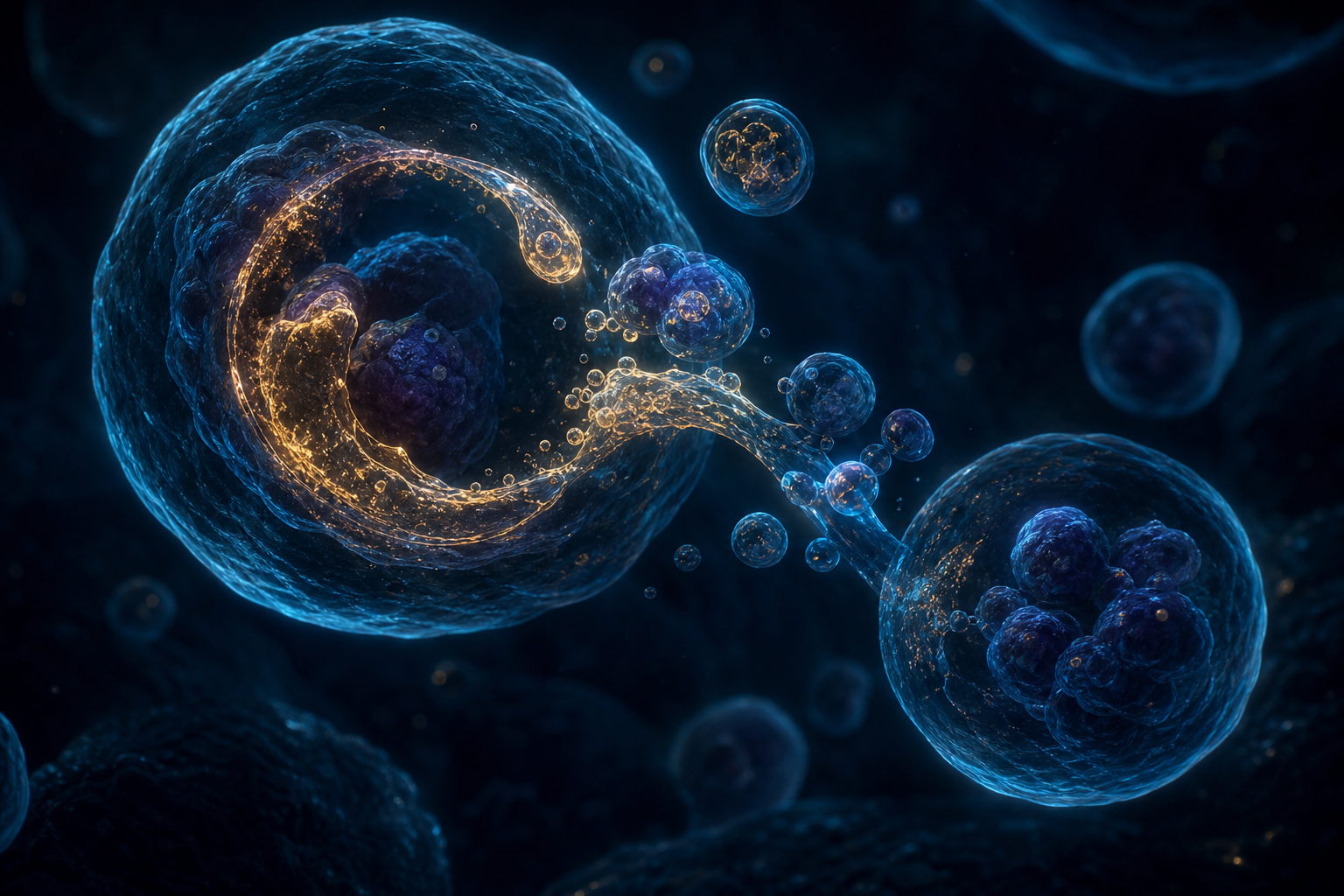
Autophagy literally means “self-eating” in Greek. It’s your body’s way of:
-
Identifying damaged or toxic cell components
-
Breaking them down in lysosomes
-
Recycling them into fresh, healthy building blocks
This process is crucial for:
-
Preventing buildup of cellular junk
-
Protecting against cancerous mutations
-
Boosting energy efficiency in cells
-
Supporting brain and muscle function
Why Autophagy Matters for Aging
-
Cellular Cleanup: Prevents toxic buildup that accelerates aging.
-
Neuroprotection: Linked to lower risk of Alzheimer’s and Parkinson’s.
-
Metabolic Health: Improves insulin sensitivity and fat metabolism.
-
Longevity: Studies in animals show enhanced autophagy extends lifespan.

How to Activate Autophagy Naturally
1. Fasting
Intermittent fasting is the most well-studied autophagy trigger. Research shows benefits at 16–24 hours of fasting. Longer fasts may enhance effects but should be supervised.
2. Exercise
High-intensity training and endurance exercise both stimulate autophagy, particularly in muscle and brain cells.
3. Diet
-
Low-carb, ketogenic diets boost autophagy by reducing insulin.
-
Polyphenol-rich foods like green tea, turmeric, and resveratrol are natural enhancers.
4. Sleep & Circadian Alignment
Autophagy follows circadian rhythms. Poor sleep disrupts cellular cleanup.
Authority Link: Harvard Medical School – Autophagy and Health

Autophagy & Disease Prevention
-
Cancer: Removes damaged DNA before it mutates.
-
Neurodegeneration: Clears misfolded proteins in brain cells.
-
Diabetes & Obesity: Improves metabolic efficiency.
-
Cardiovascular Health: Protects blood vessels from oxidative stress.
FAQs
Q: How long do I need to fast for autophagy?
Most studies suggest autophagy begins at around 16 hours of fasting, intensifying with longer periods.
Q: Can supplements trigger autophagy?
Spermidine, resveratrol, and berberine show promise — but lifestyle is the strongest trigger.
Q: Is autophagy dangerous?
Excessive autophagy can harm cells, but in healthy adults it’s usually beneficial when triggered through balanced fasting and exercise.
Summary Checklist
✅ Fast for 16–24 hours periodically
✅ Exercise regularly (strength + endurance)
✅ Eat polyphenol-rich foods (green tea, turmeric, resveratrol)
✅ Prioritize sleep and circadian rhythm
✅ Avoid constant snacking to allow cleanup
Related reading: How to Increase Autophagy, Does Lemon Water Break Autophagy?, When Does Autophagy Start?, Intermittent Fasting Schedule.
Related: Hydration and Longevity: How Water Intake Shapes Energy, Skin, and Aging

 James Hargreaves
 Daniel Brooks
 Elena Voss
 James Holloway