 James Hargreaves
Introduction
Doctors are now warning that when you sleep could matter almost as much as how much you sleep. New studies on chronotypes—your natural body clock—show that mismatched sleep patterns increase stress, weaken immunity, and may even accelerate aging (Sleep Foundation, NIH).
In this article, you’ll learn:
-
What chronotypes are (early bird, night owl, etc.)
-
How mismatched routines impact health & longevity
-
Expert strategies for aligning your lifestyle with your body clock
-
FAQs on improving sleep rhythm
What Are Sleep Chronotypes?
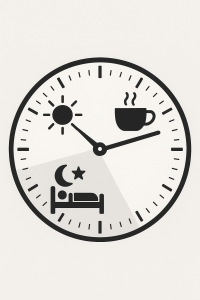
Your chronotype is your body’s internal timing system, influenced by circadian rhythms. Some people naturally wake early and perform best in the morning; others are wired for evenings.
Ignoring your chronotype—forcing early workouts when you’re a night owl, or working late shifts as a morning person—can disrupt hormones like melatonin and cortisol, which regulate recovery, metabolism, and brain health (Harvard Medical School).
How Sleep Chronotypes Affect Aging
Experts warn that “social jet lag”—when your schedule doesn’t match your chronotype—may increase risks of:
-
Metabolic disease (due to hormone imbalance)
-
Cognitive decline (reduced brain recovery at night)
-
Chronic stress & inflammation (from circadian misalignment)
Studies show that chronotype mismatches can shorten telomeres, a marker of cellular aging (NIH).

Expert Strategies to Align with Your Chronotype
Sleep specialists recommend:
-
Identify your chronotype (morning, intermediate, evening).
-
Work with it, not against it—plan workouts and focus tasks when you’re naturally alert.
-
Use light exposure—morning sunlight for night owls, dim evenings for early birds.
-
Keep weekends consistent—avoid “catch-up sleep” which worsens social jet lag.
FAQs About Sleep Chronotypes
Q: Can I change my chronotype?
A: You can shift it slightly with light exposure and routine, but genetics play a big role.
Q: Are night owls doomed?
A: No—but they need to be more mindful of light exposure, meal timing, and consistent sleep schedules.
Q: How do I find my chronotype?
A: Use chronotype quizzes from sleep foundations or track energy peaks and dips over two weeks.
Conclusion
Sleep isn’t just about hours—it’s about rhythm. Aligning your lifestyle with your chronotype can reduce stress, improve recovery, and slow aging.
But if you want a proven system to make better sleep effortless, GetYuSleep is built to do exactly that. It uses science-backed methods to help you reset your body clock, fall asleep faster, and wake up energized—no matter if you’re an early bird or night owl.

👉 Click here to try GetYuSleep today and experience the difference of truly restorative sleep.

 Ashley
 Elena Voss
 Dr. Rachel Stone
 Emma Thornton
 Rachel Summers