 Emma Thornton
Introduction
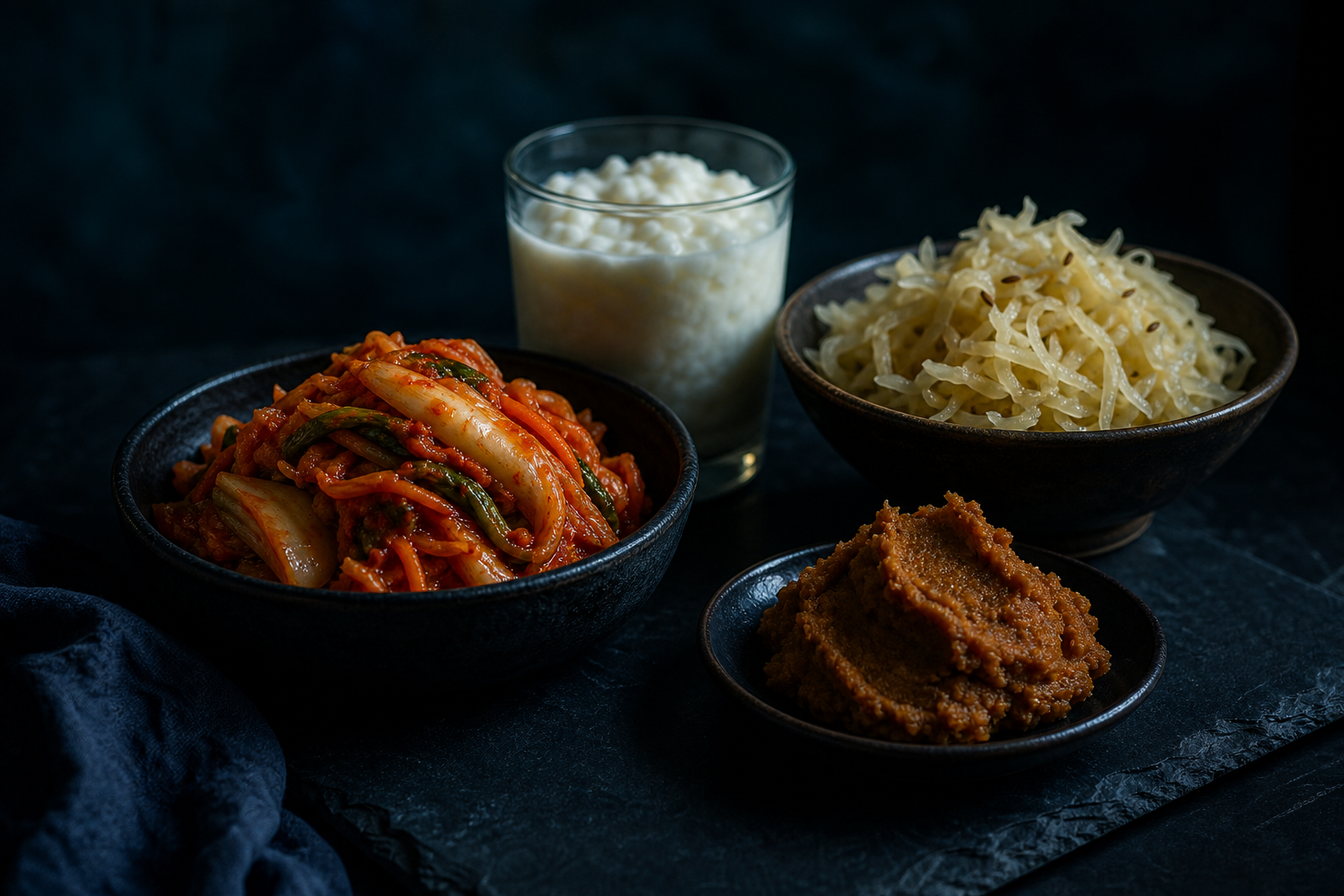
For centuries, humans have fermented foods — from kimchi in Korea to kefir in the Caucasus mountains. But in 2025, science is catching up to what traditional cultures always knew: fermented foods are powerful allies in health and longevity.
New studies from Stanford, Harvard, and microbiome research centers confirm that fermented foods not only diversify gut bacteria but also reduce inflammation, sharpen immunity, and slow aging.
In this article, we’ll break down how fermented foods work, which ones science supports, and how you can add them to your diet for better health and longer life.
Why Fermented Foods Matter for Aging
Fermentation is more than food preservation. It’s a biological transformation where natural bacteria break down sugars and starches, producing beneficial compounds:
-
Probiotics: Live microbes that colonize the gut
-
Postbiotics: Compounds like short-chain fatty acids (SCFAs) that reduce inflammation
-
Enzymes: Aid digestion and nutrient absorption
As we age, gut diversity declines, which weakens immunity and increases inflammation (“inflammaging”). Fermented foods reverse this trend by restoring balance in the microbiome.
Stanford Medicine – Fermented Foods Boost Microbiome Diversity
Science-Backed Benefits of Fermented Food
1. Gut Microbiome Diversity
A diverse microbiome is linked to lower risks of obesity, depression, and chronic disease. Stanford’s study showed people eating fermented foods daily increased gut diversity within 10 weeks.
2. Lower Inflammation
Fermented foods reduced 19 inflammatory markers, including IL-6, which is strongly tied to aging and disease.
3. Improved Immunity
Probiotics stimulate immune cells, making the body more resilient to infections and lowering autoimmunity risk.
4. Better Digestion & Nutrient Absorption
Fermentation breaks down hard-to-digest fibers and enhances bioavailability of nutrients like vitamin K2, iron, and zinc.
Harvard Health – Fermented Foods and Your Gut
The Best Fermented Foods for Longevity
-
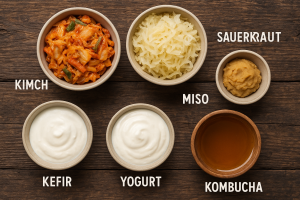
Yogurt & Kefir – Rich in Lactobacillus and Bifidobacterium species, support immunity and bone health.
-
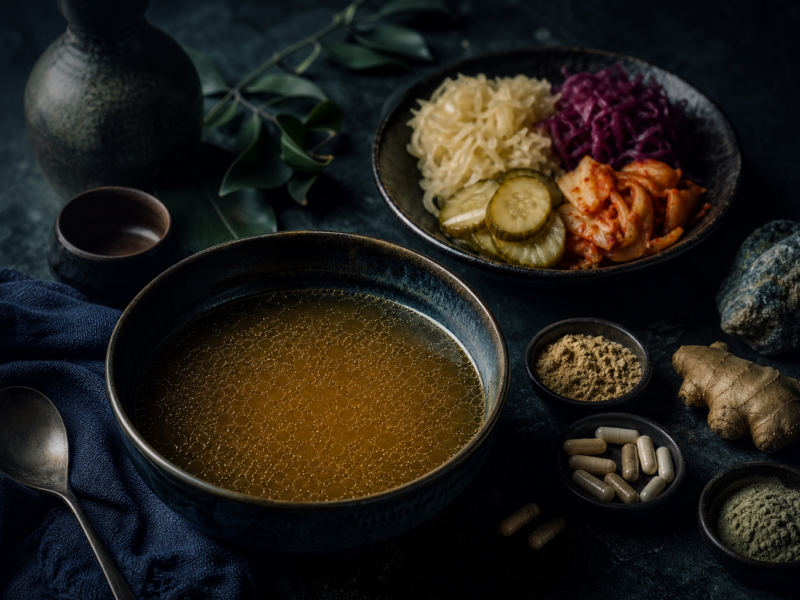
Kimchi & Sauerkraut – High in probiotics, fiber, and antioxidants; lower cholesterol and improve digestion.
-
Miso & Tempeh – Provide plant-based protein and probiotics.
-
Kombucha – Fermented tea with probiotics and polyphenols for gut and liver support.
-
Fermented Cheese – Aged cheeses like Gouda provide vitamin K2, essential for heart health.
How Much Do You Need?
-
1–2 servings per day of diverse fermented foods is enough to see benefits.
-
Rotate types: yogurt one day, kimchi the next, kombucha later.
-
For maximum impact, pair fermented foods with fiber-rich prebiotics (onions, garlic, oats) to feed the probiotics.
Common Mistakes to Avoid
-
Sugary “probiotic drinks”: Many are more sugar than benefit.
-
Heat-treating: Cooking fermented foods kills probiotics (e.g., pasteurized sauerkraut). Choose raw or unpasteurized.
-
One-food-only approach: Diversity is key. Don’t rely only on yogurt.
FAQs
Q: Can I get probiotics from supplements instead?
Yes, but food-based probiotics come with fiber, enzymes, and bioactive compounds supplements lack.
Q: Are all fermented foods probiotic?
No. Some (like beer or wine) lose live cultures during processing. Look for “contains live cultures” on labels.
Q: Can fermented foods replace medication?
They support health but don’t replace prescribed treatments. Always consult your doctor.
Longevity Checklist
✅ Add at least 1–2 servings of fermented foods daily
✅ Rotate sources (yogurt, kimchi, kombucha, tempeh)
✅ Choose raw/unpasteurized where possible
✅ Pair with prebiotic-rich foods
✅ Avoid sugary “probiotic” products
Editor’s conclusion
Your best long-term wins still come from food: daily fermented foods, fiber, and smart sleep/exercise. If you’d like a simple add-on, I’ve been testing Neotonics—a once-a-day formula aimed at the gut–skin axis. It blends botanicals and nutrients chosen to support a healthy microbiome, which many readers find easier than DIY ferments every single day. If you try it, give it a few weeks of consistent use and keep your food plan in place.See pricing & availability → Click Here
Affiliate link. Informational only—not medical advice.
Related: Hydration and Longevity: How Water Intake Shapes Energy, Skin, and Aging

 Daniel Brooks
 Emma Thornton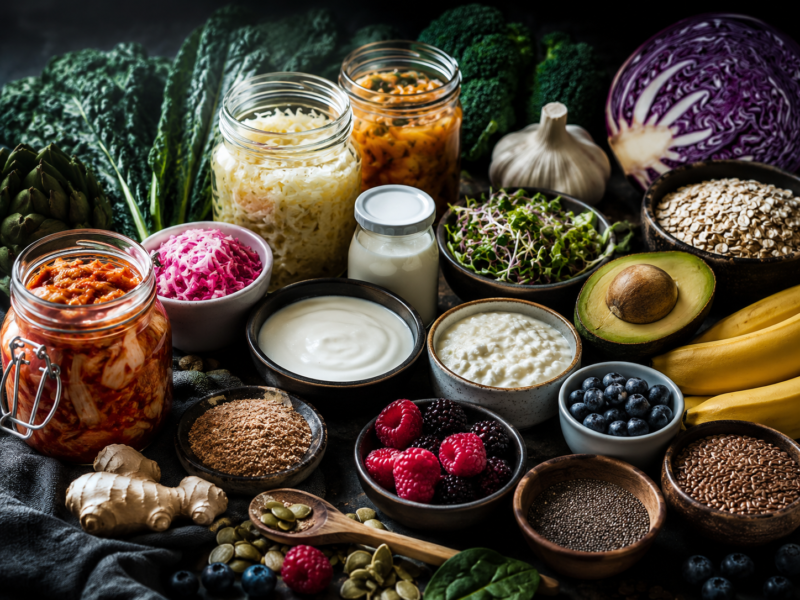
 James Hargreaves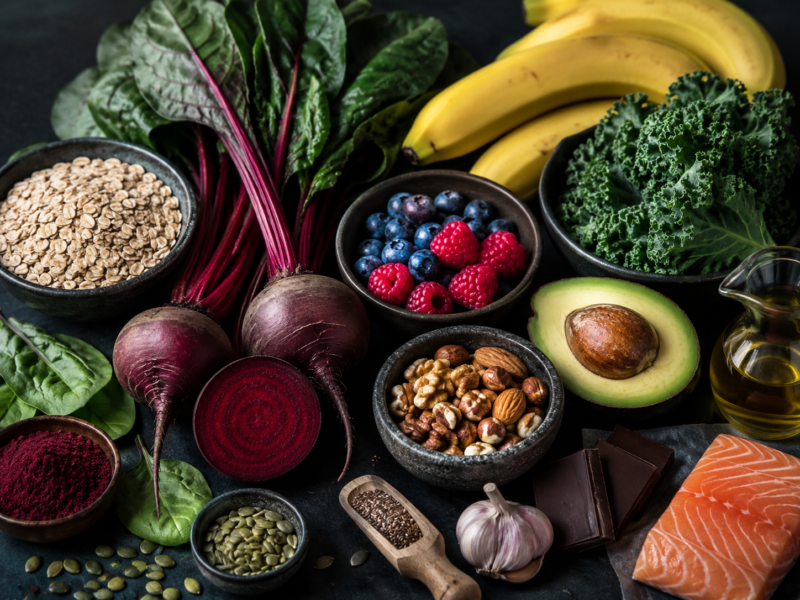
 Elena Voss