 Dr. Maya Chen
Collagen supplements have been marketed for skin, joints, and gut health for years. More recently, claims about collagen and weight loss have emerged. Does it actually help? Here’s the honest evidence-based answer.
Does Collagen Help with Weight Loss?
Collagen doesn’t directly burn fat — but it can genuinely support weight loss through several indirect mechanisms. The distinction matters: collagen is a high-protein supplement with specific amino acid properties that make it useful in a weight management context, not a fat-burning supplement.
How Collagen Supports Weight Loss
1. Exceptionally High Satiety
Collagen protein (particularly in gelatin form) produces the highest satiety of any protein tested in research — higher than whey, casein, soy, or egg protein at equivalent doses. A 2008 study found gelatin (cooked collagen) produced significantly higher satiety scores and reduced subsequent food intake more than any other protein source. The glycine content of collagen slows gastric emptying, prolonging the feeling of fullness.
Taking 10–15g of collagen in the morning or before meals can meaningfully reduce total daily calorie intake through improved appetite management.
2. Muscle Preservation During Weight Loss
During caloric restriction, the body can break down muscle for energy — particularly if protein intake is insufficient. Preserving muscle during weight loss is critical because muscle is metabolically active tissue: more muscle means a higher resting metabolic rate, burning more calories even at rest.
A 2015 RCT found that older adults who supplemented with collagen peptides alongside resistance training gained more muscle and lost more fat compared to placebo. The study attributed this to collagen’s role in connective tissue synthesis and recovery, which supports the ability to exercise effectively.
3. Glycine and Metabolism
Glycine — the most abundant amino acid in collagen (about 33%) — has specific metabolic roles. It supports creatine synthesis, is required for glutathione (the body’s master antioxidant) production, and plays a role in insulin sensitivity. Low glycine levels are associated with metabolic syndrome. Collagen is the most practical and affordable way to significantly increase dietary glycine intake.
4. Low Calorie Density
Collagen peptides provide approximately 35 calories per 10g serving with high protein content and no fat or carbohydrates. This makes it one of the highest protein-to-calorie ratio supplements available — useful for hitting protein targets during caloric restriction without exceeding calorie goals.
What Collagen Won’t Do
- It won’t directly burn fat or increase fat oxidation
- It won’t suppress appetite as powerfully as GLP-1 medications
- It won’t produce weight loss without an overall caloric deficit
- It’s not a complete protein — it’s low in tryptophan and shouldn’t be your only protein source
How to Use Collagen for Weight Loss
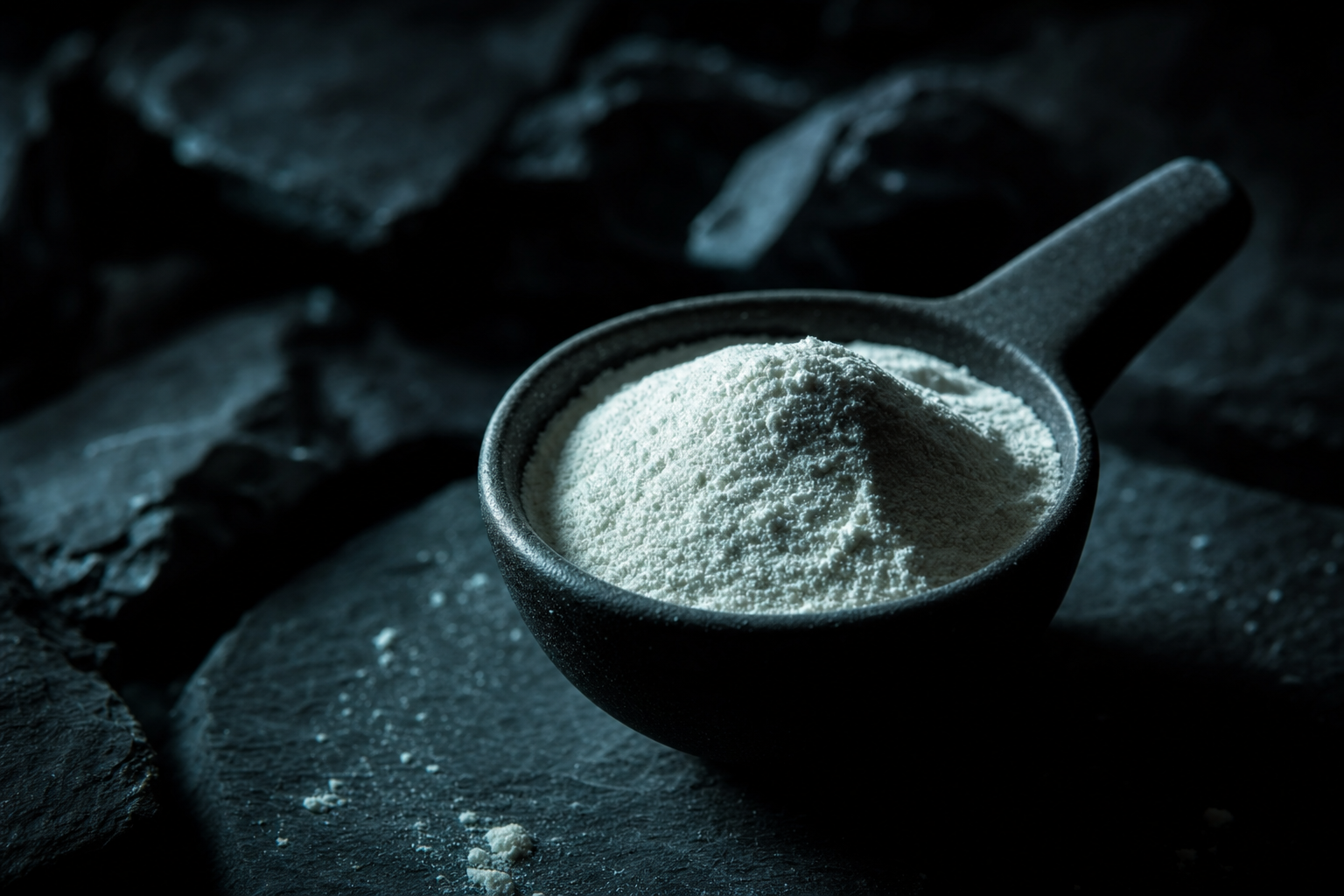
- Dose: 10–20g daily (1–2 scoops of most collagen peptide products)
- Timing: In the morning or 20–30 minutes before meals for satiety benefit; or post-workout alongside resistance training
- With vitamin C: Vitamin C is required for collagen synthesis — taking collagen with a vitamin C source (citrus juice, supplement) improves its utilisation
- As a meal component: Stir into coffee, smoothies, soups, or oatmeal — collagen peptides dissolve in hot or cold liquids without altering taste or texture
Frequently Asked Questions
Collagen supports weight loss indirectly — primarily through its exceptional satiety effect (the highest of any protein tested), muscle preservation during caloric restriction, and metabolic support through glycine. It’s not a fat burner, but its unique protein composition makes it a useful tool in a calorie-controlled diet. Taking 10–15g before meals can meaningfully reduce subsequent food intake.
Collagen can be a useful addition to a weight loss approach — particularly for appetite management, preserving muscle during caloric restriction, and providing a high-satiety, low-calorie protein source. It works best as part of a broader strategy (caloric deficit, adequate protein, resistance training) rather than as a standalone weight loss solution.
Collagen doesn’t specifically target belly fat — no supplement does. However, its impact on insulin sensitivity (through glycine), appetite management, and muscle preservation all contribute to a healthier body composition over time. Resistance training combined with collagen supplementation showed favourable body composition results (more muscle, less fat) in a 2015 clinical trial.
For satiety and appetite management: take 10–15g dissolved in warm water or a small meal 20–30 minutes before your main meals. For muscle preservation and recovery: take 10–20g within 1 hour after resistance training. For general daily use: stir into morning coffee or a smoothie.
This article is for informational purposes only and does not constitute medical or dietary advice.
Related Articles
- The Gelatin Trick for Weight Loss: What It Is and Does It Work?
- Gelatin for Gut Health: Benefits, Research, and How to Use It
- Peptides for Weight Loss: What Works, What’s Approved, and What to Know
- Does Berberine Cause Weight Loss?
Related reading: Collagen for Skin and Joints, Marine vs Bovine Collagen, Best Collagen for Women Over 50.


 Elena Voss
 Dr. Rachel Stone

 Dr. Maya Chen
 James Holloway