 Dr. Maya Chen
The “gelatin trick” for weight loss has been circulating in wellness communities — the idea being that consuming plain gelatin before meals increases satiety, reduces appetite, and leads to eating less. Is there anything to it? Here’s what the research shows.
What Is the Gelatin Trick for Weight Loss?
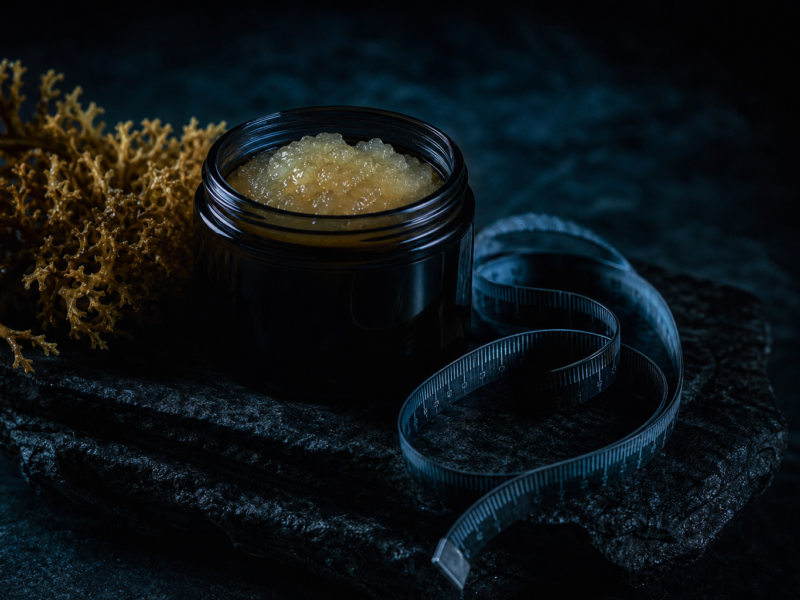
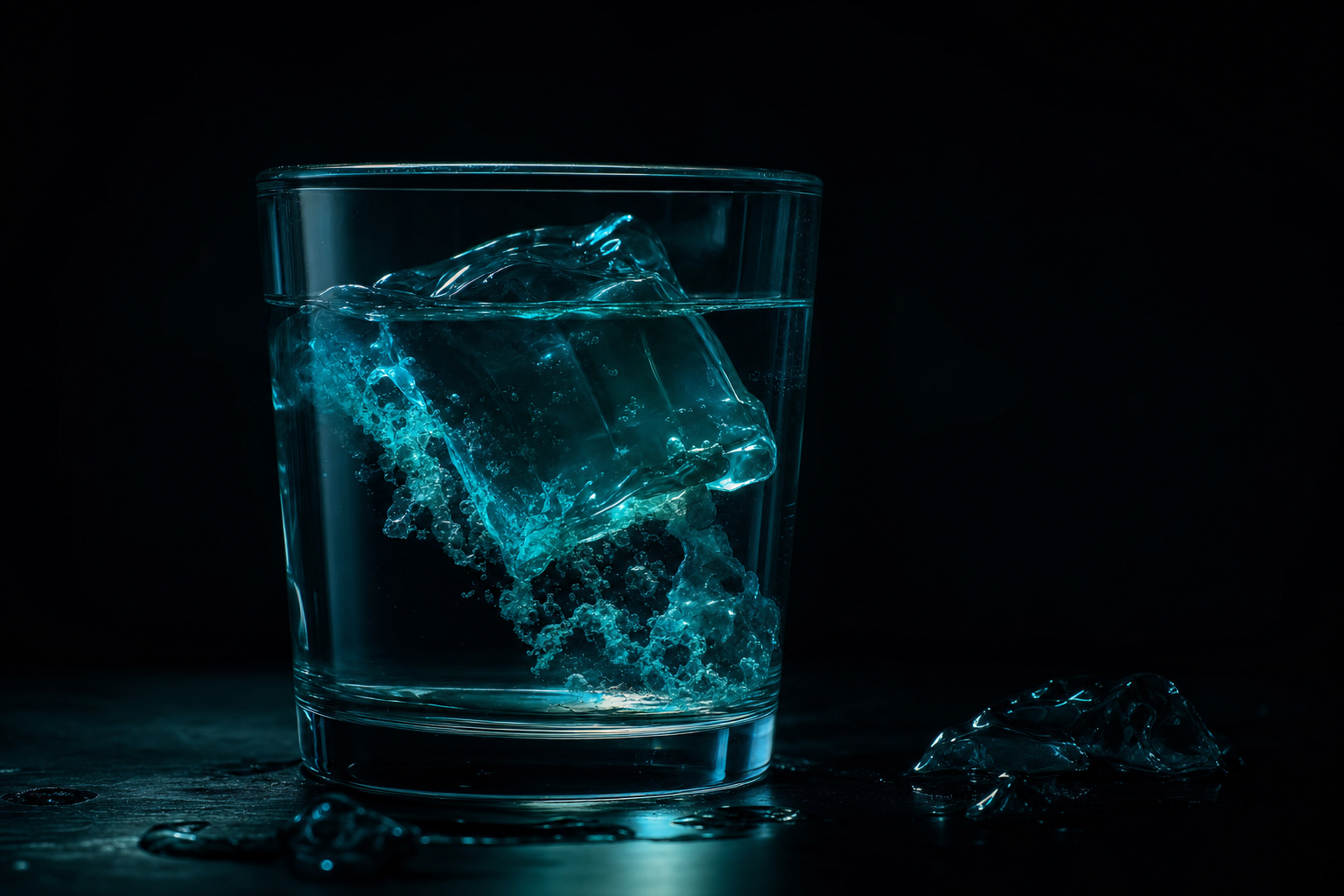
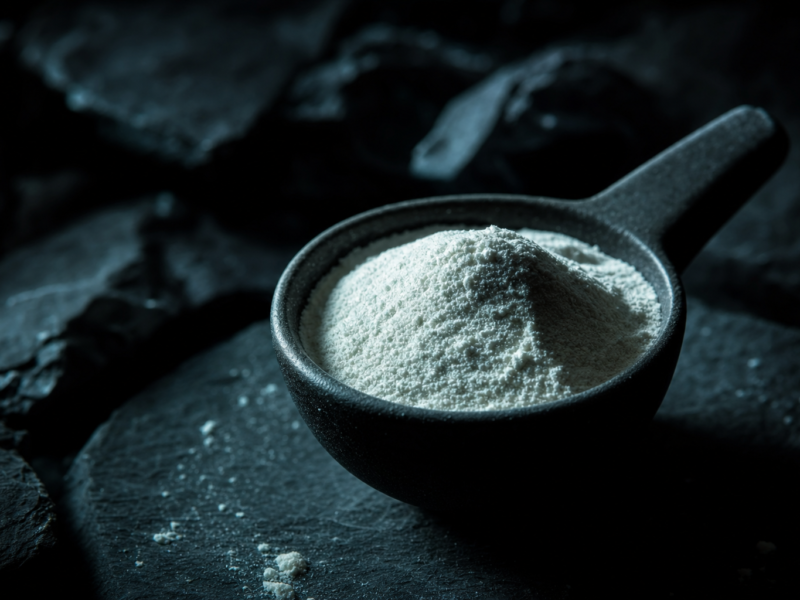
The gelatin trick typically involves dissolving 1–2 tablespoons of plain, unflavoured gelatin powder in water or another liquid and consuming it 20–30 minutes before a meal. The proposed mechanism: gelatin’s unique protein composition (high in glycine, proline, and hydroxyproline) promotes satiety through several pathways, reducing total food intake at the subsequent meal.
Does It Actually Work?
The evidence is modest but genuinely supportive. Several mechanisms are plausible and some are directly studied:
Satiety Research
A 2008 study published in the Journal of the American College of Nutrition compared the satiety effects of gelatin protein versus casein, soy, whey, and egg albumin. Gelatin produced the highest satiety scores of all the proteins tested — participants reported feeling fuller for longer after gelatin consumption compared to any other protein source at equivalent doses.
A 2009 study found that consuming gelatin before a meal reduced subsequent food intake compared to a carbohydrate control. Participants eating a gelatin pre-load ate measurably less at the following meal.
Why Gelatin Is Uniquely Satiating
- High glycine content — glycine slows gastric emptying (food leaves the stomach more slowly), prolonging the feeling of fullness
- Protein-driven satiety hormones — like all proteins, gelatin stimulates GLP-1 and CCK release — hormones that signal fullness to the brain
- Viscous texture — when gelatin sets, its gel-like consistency creates physical bulk in the stomach
- Low calorie density — plain gelatin provides approximately 18 calories per tablespoon (6g protein, 0 fat, 0 carbs) — high satiety per calorie
How to Use the Gelatin Trick
- Use plain, unflavoured gelatin powder — not Jell-O or flavoured gelatin products, which contain sugar and artificial ingredients
- Dissolve 1–2 tablespoons (7–14g) in warm water or broth
- Consume 20–30 minutes before your main meals
- Alternatively, make a simple gelatin “jelly” with broth or diluted juice and eat it chilled before meals
Gelatin vs Collagen for Weight Loss
| Feature | Gelatin | Collagen Peptides |
|---|---|---|
| Source | Cooked collagen; sets as gel when cold | Hydrolysed collagen; stays liquid |
| Amino acid profile | Identical | Identical |
| Satiety effect | Strong (gelling action adds bulk) | Strong (protein-driven) |
| Solubility | Dissolves in hot water; sets when cold | Dissolves in hot or cold water |
| Best use for satiety | Pre-meal in warm liquid or set as jelly | Stir into any drink or food |
| Cost | Very low | Moderate–high |
Other Benefits of Gelatin
- Gut health — glycine supports intestinal lining integrity and reduces gut inflammation
- Joint health — provides the amino acids needed for cartilage and connective tissue repair
- Sleep — glycine taken before bed has been shown to improve sleep quality and reduce sleep onset time
- Skin — provides collagen building blocks for skin elasticity
Frequently Asked Questions
The gelatin trick involves consuming 1–2 tablespoons of plain unflavoured gelatin dissolved in warm water 20–30 minutes before meals. The gelatin increases satiety through glycine’s gastric-emptying-slowing effect, protein-driven hormone release (GLP-1, CCK), and physical bulk from its gel-forming properties. Research shows gelatin produces the highest satiety scores of any common protein and reduces subsequent food intake compared to carbohydrate controls.
Gelatin itself doesn’t burn fat, but its exceptionally high satiety per calorie makes it an effective appetite management tool. Research shows gelatin protein produces higher satiety than casein, whey, soy, or egg protein at equivalent doses. Using it as a pre-meal strategy can meaningfully reduce total calorie intake over time — which is the mechanism connecting it to weight loss.
Plain unflavoured gelatin powder — brands like Great Lakes or Knox — dissolved in warm water or broth. Avoid flavoured gelatin products (like Jell-O) that contain sugar, artificial sweeteners, and additives. Grass-fed gelatin is preferable for quality but any pure gelatin provides the same amino acid composition and satiety effects.
Almost — gelatin is cooked collagen. Collagen is a structural protein in connective tissue; when cooked, it breaks down into gelatin. Collagen peptides (hydrolysed collagen) are gelatin broken down further into smaller peptides that dissolve in any temperature liquid. All three have the same amino acid profile (high glycine, proline, hydroxyproline) and produce similar satiety effects, but differ in texture and solubility.
This article is for informational purposes only and does not constitute medical or dietary advice.
Related Articles
- Does Collagen Help with Weight Loss?
- Gelatin for Gut Health: Benefits, Research, and How to Use It
- Does Berberine Cause Weight Loss?
- How to Use Berberine for Weight Loss
Related reading: Gelatin for Gut Health, Does Collagen Help With Weight Loss?, Best Foods for Weight Loss.

 Elena Voss
 Rachel Summers
 James Holloway
 Dr. Maya Chen