 Elena Voss
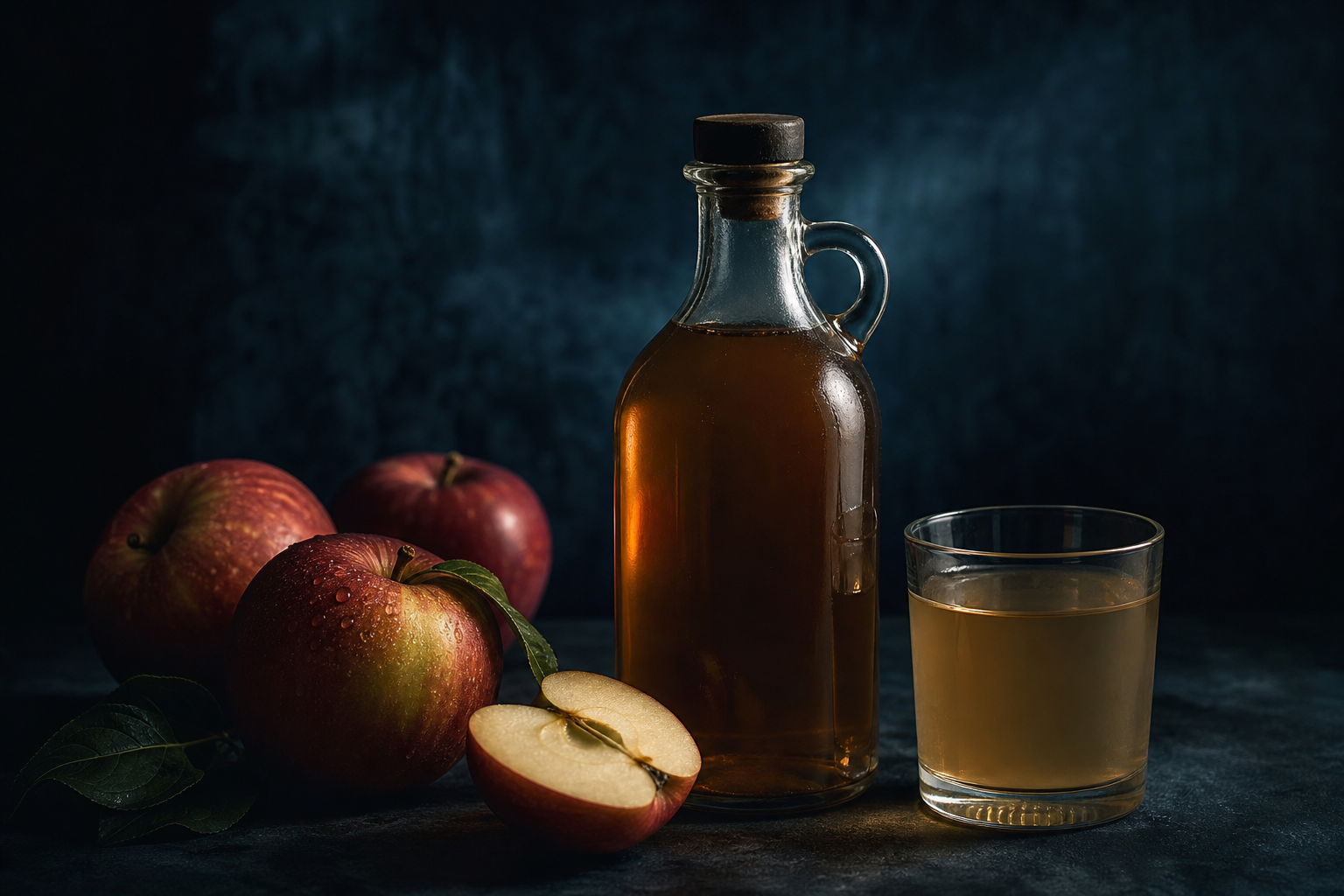
Apple cider vinegar (ACV) has been promoted as a weight loss aid for decades — and unlike many wellness trends, the research behind it is more substantive than expected. While it’s not a miracle solution, ACV has genuine mechanistic and clinical evidence for modest but real weight loss effects through multiple metabolic pathways.
How Apple Cider Vinegar Affects Weight Loss
ACV’s active compound is acetic acid — produced by the fermentation of apple cider by acetobacter bacteria. Acetic acid works through several distinct mechanisms relevant to weight management:
1. Improved Insulin Sensitivity and Blood Sugar
This is ACV’s most consistently demonstrated metabolic effect. Acetic acid inhibits disaccharidases — the enzymes that break down complex carbohydrates — slowing glucose absorption from the gut and reducing post-meal blood sugar spikes. A landmark 2004 RCT by Johnston et al. found ACV consumed before a high-carb meal reduced post-meal glucose by 19–34% and improved insulin sensitivity. High insulin levels directly drive fat storage — particularly visceral fat. By blunting insulin spikes, ACV helps shift the metabolic environment toward fat oxidation rather than fat storage.
2. Reduced Appetite and Increased Satiety
ACV slows gastric emptying — the rate at which food leaves the stomach — increasing the time food spends in the stomach and prolonging satiety signals. Studies show ACV consumption with meals reduces caloric intake at that meal and for several hours afterwards. A 2005 study found adding vinegar to a meal reduced hunger and increased satiety scores, with participants consuming 200–275 fewer calories over the remainder of the day.
3. Direct Fat Storage Reduction
Acetic acid activates AMPK — the cellular energy sensor that promotes fat oxidation and inhibits fat synthesis. Animal studies show acetic acid directly suppresses lipogenesis (fat production) in the liver and reduces triglyceride accumulation. Human studies show ACV supplementation reduces liver fat and waist circumference.
4. Clinical Evidence
The most cited human RCT is a 2009 Japanese double-blind study (Kondo et al.) of 175 obese participants. Over 12 weeks, participants consuming 1 tablespoon of ACV daily lost 1.2kg, those consuming 2 tablespoons lost 1.7kg, and the placebo group gained 0.4kg — without any other dietary changes. They also showed significant reductions in visceral fat area, waist circumference, and triglycerides. While the weight loss is modest, it was produced without dietary restriction — suggesting ACV’s effects are additive to other interventions.
How to Use ACV for Weight Loss
- Dose: 1–2 tablespoons (15–30ml) daily — this is the range used in clinical trials
- Timing: Before meals (particularly carbohydrate-containing meals) for maximum blood sugar effect; morning on waking is popular and practical
- Dilution: Always dilute in at least 240ml water — undiluted ACV damages tooth enamel and can irritate the oesophagus; drink through a straw
- Form: Raw, unfiltered ACV “with the mother” (containing beneficial bacteria and enzymes) is preferred; Bragg’s is the most popular brand
- Avoid: ACV gummies — these contain minimal acetic acid and don’t replicate the effects of liquid ACV
Important Cautions
- Always dilute — never drink undiluted; can burn oesophagus and erode tooth enamel
- May interact with diuretics, insulin, and digoxin — consult a doctor if on these medications
- May worsen gastroparesis (slow stomach emptying) — avoid if you have this condition
- Not a replacement for dietary changes — effective as an adjunct, not a standalone solution
Frequently Asked Questions
Yes — modestly but measurably. The most rigorous human RCT found 1–2 tablespoons daily over 12 weeks produced 1.2–1.7kg weight loss without dietary changes, plus significant reductions in visceral fat and waist circumference. ACV works through improved insulin sensitivity (reducing fat storage), slowed gastric emptying (increasing satiety), and AMPK activation (promoting fat oxidation). It’s most effective as an adjunct to dietary changes and exercise, not as a standalone intervention.
1–2 tablespoons (15–30ml) diluted in at least 240ml of water, consumed before meals. This is the dose used in the clinical trial showing significant results. More is not better — higher doses increase the risk of oesophageal irritation and tooth enamel erosion without additional benefit. Take before your largest carbohydrate-containing meal for maximum blood sugar benefit.
Before meals — particularly carbohydrate-rich meals — for maximum blood sugar and satiety effects. Many people take it first thing in the morning (diluted in water) for ease of habit. Avoid taking it immediately after brushing teeth (acid temporarily softens enamel) and avoid lying down for 30 minutes after (reduces acid reflux risk). Consistency over weeks produces the cumulative metabolic benefits seen in clinical trials.
This article is for informational purposes only. Consult a healthcare provider before using ACV if you take medications for diabetes or heart conditions, or have gastroparesis or oesophageal issues.
Related reading: Is Apple Cider Vinegar Good for You?, Best Foods for Weight Loss, Does Berberine Cause Weight Loss?.
Also see: Apple Cider Vinegar: 7 Science-Backed Health Boosts.Further reading: Psyllium Husk: Complete 2025 Evidence Guide | Glucomannan Benefits and Uses


 Elena Voss
 James Holloway

 Dr. Rachel Stone