Elena Voss
Why Most “Metabolism Boosters” Don’t Work
The metabolism supplement industry is worth billions, built largely on the promise that you can meaningfully speed up your metabolic rate by taking a pill or drinking a special tea. The research says otherwise. Most marketed metabolism boosters produce effects so small they’re clinically meaningless — a few extra calories burned per day at best. For a full breakdown of which supplements have genuine evidence, see our guide to the best supplements for overall health.
What actually changes metabolic rate — meaningfully and sustainably — comes down to a short list of biological facts. Understanding these saves a lot of money and frustration.
What Metabolic Rate Actually Is
Your total daily energy expenditure has four components. Resting metabolic rate (RMR) accounts for 60–70% of total expenditure. The thermic effect of food accounts for roughly 10%. Exercise accounts for another 5–15%. The remaining and most variable component is NEAT — non-exercise activity thermogenesis — the energy you burn through everyday movement like walking, fidgeting, standing, and daily tasks.
Most “metabolism hacks” target resting metabolic rate, which is the hardest thing to change. NEAT is actually the most variable and most improvable component for most people — and it’s where the real opportunity lies.
What Actually Increases Metabolic Rate
Build and Preserve Muscle
Muscle tissue is metabolically active — it burns calories at rest. The single most reliable way to increase your resting metabolic rate is to increase your muscle mass through resistance training. Gaining 3–5kg of muscle through consistent strength training over 6–12 months adds a meaningful amount to daily energy expenditure. Our home workout plan and beginner strength training guide are practical starting points.
The flip side is equally important: preserving muscle during weight loss. Crash dieting causes significant muscle loss alongside fat loss, which reduces resting metabolic rate substantially — the main mechanism behind “metabolic adaptation” that makes weight regain so common after rapid weight loss.
Increase Daily Movement (NEAT)
NEAT varies by up to 2,000 calories per day between individuals of similar size. Small habitual changes compound significantly: taking stairs instead of lifts, standing rather than sitting during phone calls, walking to nearby destinations, parking further away. Research shows that increasing daily step count from 4,000 to 8,000 steps produces a measurable and clinically significant increase in total daily energy expenditure without requiring any structured exercise.
Eat Enough Protein
Protein has a higher thermic effect than carbohydrates or fat — your body uses approximately 20–35% of protein’s calories just to digest and metabolise it. A higher-protein diet therefore burns more calories through digestion. More importantly, adequate protein (1.6–2.2g per kg of body weight for active people) preserves muscle during caloric restriction, which protects metabolic rate during weight loss. If you struggle to hit protein targets from food, see our protein supplements guide.
Don’t Crash Diet
Severe caloric restriction causes your body to reduce metabolic rate — a survival response called adaptive thermogenesis. A moderate deficit (500–750 calories below maintenance) combined with adequate protein and resistance training minimises this adaptation while still producing fat loss. This connects closely with the evidence on how to lose weight safely.
Sleep Well
Sleep deprivation directly reduces metabolic rate and increases cortisol, which promotes fat storage and muscle breakdown. Consistently poor sleep is one of the most underappreciated contributors to difficulty with body composition. Our complete sleep guide covers how sleep affects every aspect of health including metabolism.
What Has Only Small Effects
Caffeine — raises metabolic rate by roughly 3–11% for 1–3 hours. Real but small and temporary. Tolerance develops quickly with regular use.
Green tea extract / EGCG — some studies show a small increase in fat oxidation, roughly 60–80 extra calories per day. Not clinically meaningful as a standalone intervention.
Cold exposure — activates brown adipose tissue, which burns calories. The effect in most research is modest — perhaps 100–200 extra calories on the day of exposure.
Spicy food (capsaicin) — very small and transient increase in metabolic rate. Negligible for practical purposes.
What Doesn’t Work
Detox teas, metabolism tablets, fat burners, “metabolic reset” programmes, and frequent small meals (meal frequency has no meaningful effect on daily metabolic rate). These products generate revenue from people who want a shortcut — the shortcut doesn’t exist.
Frequently Asked Questions
How can I boost my metabolism?
The most effective approaches are resistance training to build muscle, increasing daily movement (especially NEAT), eating adequate protein, avoiding crash diets that trigger metabolic adaptation, and prioritising sleep. These are the only methods with meaningful, sustained effects on metabolic rate.
Does eating more frequently boost metabolism?
No. Total daily caloric intake and macronutrient composition matter far more than meal frequency. Eating six small meals versus three larger ones produces no meaningful difference in total daily energy expenditure in controlled studies.
Why is my metabolism slow?
A genuinely “slow” metabolism is less common than people assume. More often, unexplained weight gain or difficulty losing weight reflects energy intake underestimation, low NEAT, insufficient muscle mass, poor sleep, or thyroid dysfunction. If you’ve ruled out these factors and still struggle, a thyroid function test and metabolic rate assessment from a clinician are worth pursuing.
Does age slow your metabolism?
Yes, but less than commonly believed. Much of the age-related slowdown is actually due to muscle loss (sarcopenia) rather than an intrinsic change in cellular metabolism. Maintaining muscle mass through resistance training throughout life significantly blunts this decline. See our hormones and aging guide for more on how body composition changes with age.
Can you permanently increase your metabolism?
Building muscle through sustained resistance training is the most permanent way to increase resting metabolic rate — as long as you maintain that muscle. The increase is real but requires ongoing maintenance.
The Bottom Line
Metabolism isn’t a lever you can reliably pull with supplements or tricks. It’s largely determined by body composition (especially muscle mass), daily movement, diet quality, sleep, and age. The most effective metabolism “boost” available is a combination of consistent resistance training, high daily movement, adequate protein, and enough sleep — none of which comes in a capsule.
Related reading: Best Foods for Weight Loss, Does Berberine Cause Weight Loss?, Apple Cider Vinegar Weight Loss.
Also read: Protein: How Much You Need Per Day and Hydration and Longevity.Further reading: Psyllium Husk: Complete 2025 Evidence Guide | Glucomannan Benefits and Uses


 Elena Voss

 Rachel Summers
 Dr. Rachel Stone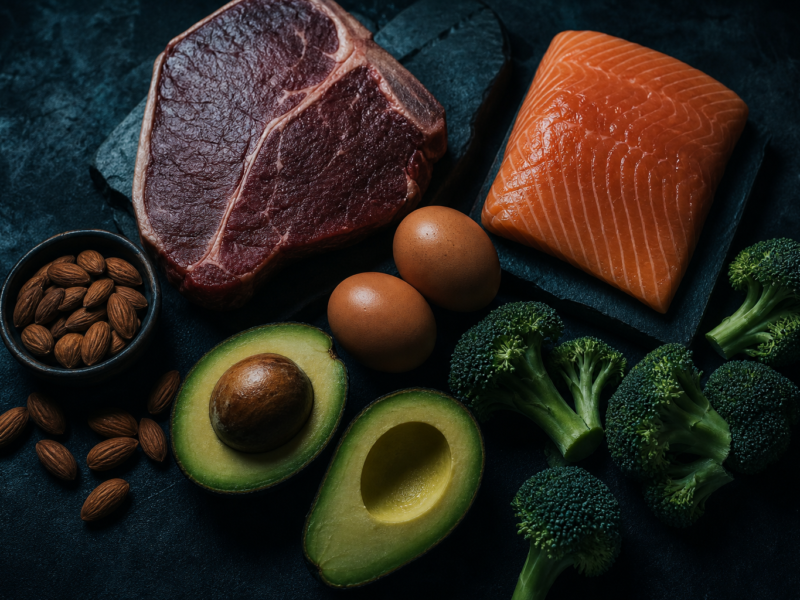
 James Holloway