 Ashley
Why People Use Protein Supplements
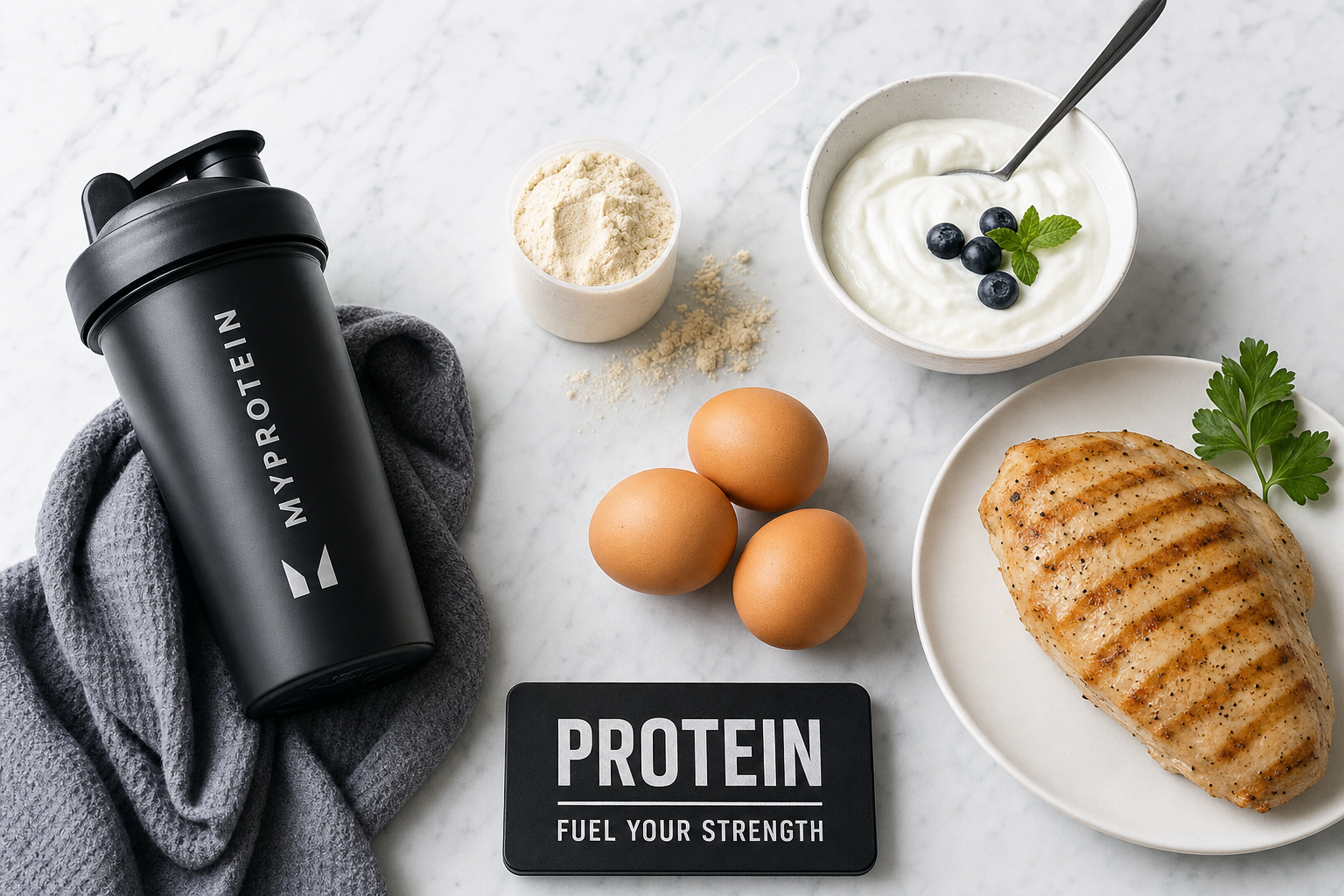
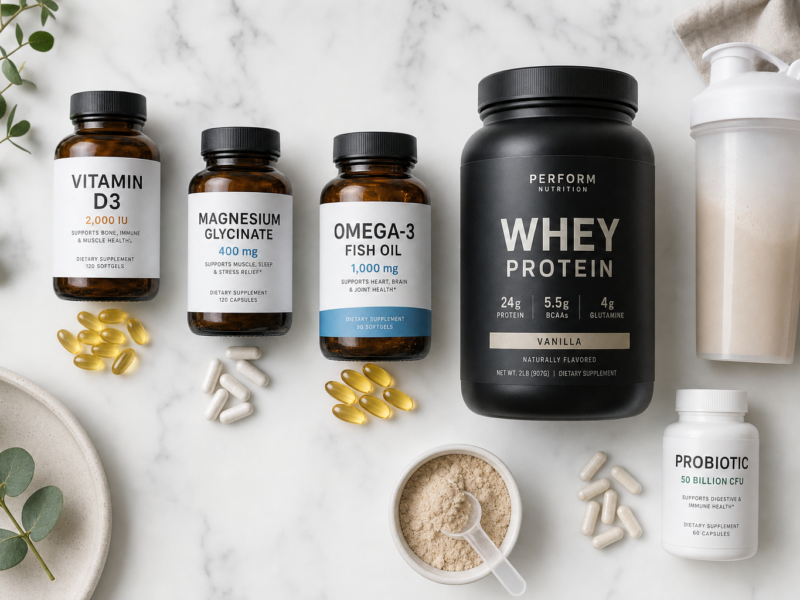
Protein is the most important macronutrient for muscle building, repair, immune function, hormone production, and satiety. While whole food sources should always be the dietary priority, protein supplements offer a convenient, versatile, and cost-effective way to increase protein intake when dietary sources fall short. For a broader overview of the supplement landscape, see our complete supplement guide.
Protein Needs and Supplementation
The recommended dietary allowance (RDA) for protein is 0.8g per kg of body weight — but this represents the minimum to prevent deficiency in sedentary adults, not the optimal intake for health and performance. For people who exercise regularly, evidence supports 1.6–2.2g per kg of body weight for muscle building and maintenance. For older adults (over 65), higher protein intake (1.2–1.6g/kg) helps prevent sarcopenia (age-related muscle loss). Protein supplements become most useful when dietary intake consistently falls below these targets — something common in people following calorie-restricted diets, those with limited appetite, plant-based eaters, and those with high training volumes.
Whey Protein, Casein, and Plant Proteins
Whey Protein Isolate vs Concentrate
Whey protein is derived from milk during cheese production. It is a complete protein (containing all essential amino acids) with a high leucine content — the amino acid most responsible for triggering muscle protein synthesis. Whey concentrate (WPC) contains 70–80% protein with some lactose and fat. Whey isolate (WPI) undergoes additional filtration to reach 90%+ protein with minimal lactose — making it preferable for those with lactose sensitivity. Both are fast-digesting, making them ideal post-workout. Whey has more clinical evidence supporting muscle building than any other protein supplement.
Vegan Protein Options
Plant protein powders have improved dramatically in quality and palatability. Pea protein isolate is the most evidence-backed vegan option — it is high in essential amino acids, particularly arginine, and studies show comparable muscle-building effects to whey when matched for leucine content. Rice protein is often combined with pea protein to provide a more complete amino acid profile. Soy protein is complete and well-studied, though some people prefer to limit soy intake. Hemp protein is nutritious but lower in leucine and less effective for muscle building per gram.
Casein Protein
Casein is the other major milk protein — accounting for approximately 80% of protein in milk. Unlike whey, casein is digested slowly, providing a sustained release of amino acids over 5–7 hours. This makes it ideal as a pre-sleep protein source to support overnight muscle protein synthesis. A serving of casein protein (or cottage cheese — an excellent natural casein source) 30–60 minutes before bed extends the period of elevated amino acid availability through the night. See our guide to sleep and muscle recovery for context on overnight protein use.
Protein for Muscle Gain
Muscle protein synthesis (MPS) is maximally stimulated by approximately 20–40g of protein per meal — with leucine content being the primary trigger. Distributing protein intake across 3–4 meals (rather than concentrating it in one or two) maximises daily MPS stimulation. Post-workout protein within 2 hours of resistance training provides the building blocks for exercise-induced MPS. The total daily protein intake matters more than precise timing for most people — but protein supplements make hitting targets consistently easier and more practical.
Protein for Weight Management
Protein is the most satiating macronutrient — it reduces hunger hormones (ghrelin), increases satiety hormones (GLP-1, PYY), and has the highest thermic effect of feeding (the body burns approximately 25–30% of protein calories in the digestion process). High-protein diets consistently produce greater fat loss with better preservation of muscle mass than lower-protein diets of equal calories. A protein shake replacing a high-carbohydrate snack or as part of a calorie-controlled breakfast can meaningfully support weight management goals.
How to Choose a High-Quality Protein Powder
Common Additives and Sweeteners
Many protein powders contain added sugars, artificial sweeteners, thickeners, flavourings, and fillers. Check the label: ingredients should be simple and recognisable. Protein content per serving should be clearly stated. Watch for “protein spiking” — where cheaper amino acids (glycine, taurine, creatine) are added to inflate the apparent protein content on labels without providing the essential amino acids that drive muscle protein synthesis. Third-party testing (Informed Protein certification) is the most reliable assurance of actual protein content.
FAQ
Do I need protein supplements?
Only if you consistently struggle to hit protein targets through whole foods. Most people who eat meat, fish, eggs, and dairy can meet protein needs without supplements. Plant-based eaters and those with high training volumes are most likely to benefit.
Which protein powder is best?
Whey isolate for those who tolerate dairy — highest evidence base for muscle building. Pea protein isolate for vegans and those avoiding dairy — comparable muscle-building effects when leucine intake is matched.
Is whey protein safe?
Yes — whey is one of the safest and best-studied supplements available. It is simply a concentrated food protein. Those with dairy allergies or severe lactose intolerance should choose whey isolate or a plant protein alternative.
Can protein powder help build muscle?
Yes, when combined with resistance training and adequate total daily protein. Protein supplements help people hit protein targets more easily — the muscle building comes from the training and the protein intake combined.
How much protein should I take per day?
1.6–2.2g per kg of body weight for those training regularly. 1.2–1.6g/kg for older adults. 0.8g/kg is the minimum for sedentary adults.

 Sarah Mitchell
 James Holloway
 Daniel Brooks
 Elena Voss
 Dr. Rachel Stone