
 Ashley
What Prediabetes Is
Prediabetes is a metabolic state in which blood sugar levels are higher than normal but not yet high enough to meet the diagnostic threshold for type 2 diabetes. It’s not a mild or trivial condition — prediabetes significantly increases the risk of progressing to full diabetes, as well as the risk of heart disease and stroke, even before diabetes develops. For a complete overview of healthy blood sugar ranges and what the numbers mean, see our complete blood sugar guide.
According to the CDC, approximately 98 million American adults — more than 1 in 3 — have prediabetes, and the vast majority don’t know it. Prediabetes is typically diagnosed when fasting blood sugar is between 100–125 mg/dL, or an HbA1c between 5.7% and 6.4%. The most important thing to understand: prediabetes is not inevitable. For most people, it is fully reversible with lifestyle change.
Signs and Risk Factors
Prediabetes most often causes no obvious symptoms — which is why it goes undetected for so long in so many people. However, certain signs and risk factors point toward its presence.
Body Weight and Waist Size
Excess weight — particularly excess visceral fat stored around the abdomen — is the single strongest modifiable risk factor for prediabetes. A waist circumference above 35 inches (89cm) for women or 40 inches (102cm) for men indicates significant visceral fat accumulation. This metabolic fat directly impairs insulin signaling, driving the insulin resistance that underlies prediabetes. The connection between blood sugar, insulin resistance, and body weight is covered in depth in our guide to blood sugar and weight loss.
Family History
Having a first-degree relative (parent or sibling) with type 2 diabetes significantly increases your risk of prediabetes. Genetics influence insulin secretion capacity and insulin sensitivity, meaning some people are predisposed to glucose dysregulation even without obvious lifestyle triggers. This makes early screening especially important if diabetes runs in your family.
Blood Sugar Numbers
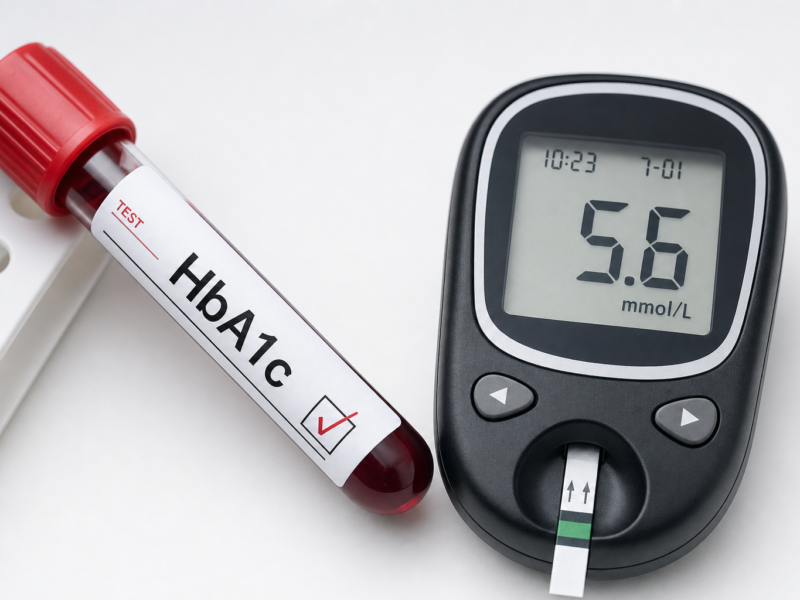
The diagnostic criteria are clear: fasting blood glucose 100–125 mg/dL, or HbA1c 5.7–6.4%, or a 2-hour post-glucose-load reading of 140–199 mg/dL indicates prediabetes. Understanding your HbA1c result is covered in our guide to HbA1c explained.
How to Reverse Prediabetes
Reversing prediabetes is entirely achievable for most people. The Diabetes Prevention Program — one of the largest and most influential clinical trials in metabolic medicine — demonstrated that a structured lifestyle intervention reduced diabetes risk in prediabetic individuals by 58%, outperforming even metformin (a diabetes medication used 31% reduction). The key is acting early and consistently.
Diet Changes
Reducing refined carbohydrates and added sugars, increasing fiber and protein, and emphasizing whole foods creates the dietary foundation for blood sugar normalization. See our guides to best foods for blood sugar and natural ways to lower blood sugar for practical implementation steps.
Exercise Changes
150 minutes of moderate aerobic exercise per week plus two strength training sessions consistently improves insulin sensitivity and lowers HbA1c in prediabetic individuals. Starting with daily post-meal walks — see our guide to walking after meals — is the lowest-barrier entry point with immediate measurable impact.
Sleep and Stress
Consistently poor sleep and high cortisol both maintain insulin resistance and make it harder for lifestyle changes to gain traction. Addressing sleep quality and stress management is an underappreciated but essential component of reversing prediabetes.
FAQ
What is prediabetes?
A state where blood sugar is higher than normal but below the diabetes threshold — specifically, fasting glucose 100–125 mg/dL or HbA1c 5.7–6.4%.
Can prediabetes be reversed?
Yes. Lifestyle changes — particularly weight loss, exercise, and dietary improvement — can fully normalize blood sugar and prevent progression to diabetes for most people.
What are the symptoms?
Prediabetes usually causes no symptoms, which is why regular screening is essential if you have risk factors. Some people notice increased fatigue, darkened skin in body folds (acanthosis nigricans), or increased thirst.
How do I lower my blood sugar?
Exercise regularly, eat more fiber and protein, reduce refined carbs and sugars, improve sleep, and manage stress. See our natural blood sugar lowering guide for a full plan.
How often should I test?
If you have prediabetes, your doctor will typically recommend retesting every 6–12 months to monitor progress. If you’re making lifestyle changes actively, tracking more frequently can provide helpful feedback.
When should I see a doctor?
Immediately if you’ve been told you have prediabetes or if you have significant risk factors (overweight, family history, age 45+). Early intervention is far more effective than waiting.
90-Day Prediabetes Recovery Plan
Month 1: Establish the basics — walk after every meal, cut sugary drinks, swap refined grains for whole grains and vegetables. Month 2: Add two strength training sessions per week; tighten sleep to a consistent 7–9 hour schedule; add a stress management practice. Month 3: Fine-tune your diet with more protein and fiber; track weekly; check in with your doctor and retest blood sugar. Most people with prediabetes who follow this plan see meaningful improvement in HbA1c within 90 days.


 Emma Thornton
 Sarah Mitchell
 Rachel Summers
 James Hargreaves