 Rachel Summers
What Causes High Blood Sugar
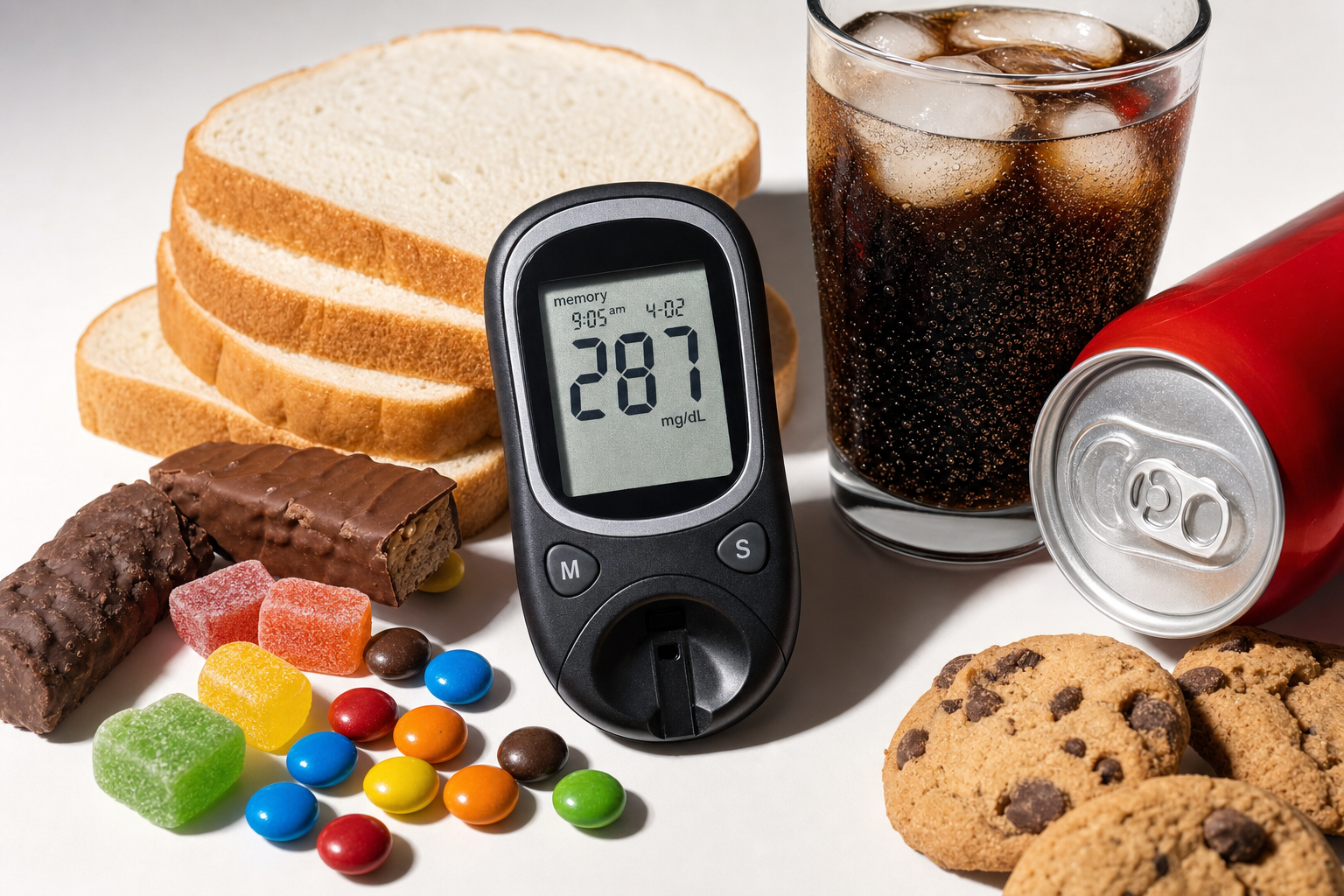
High blood sugar — medically known as hyperglycemia — occurs when there is more glucose in your bloodstream than your body can effectively process. The most common causes include eating large amounts of refined carbohydrates or sugars, physical inactivity, chronic stress, poor sleep, illness, certain medications (like corticosteroids), and — most significantly — insufficient insulin action due to insulin resistance or type 2 diabetes. For a broader understanding of how glucose regulation works, see our complete blood sugar guide.
Even without diabetes, blood sugar can spike temporarily after eating a high-carbohydrate meal, during periods of intense stress, when sick with an infection, or after a night of poor sleep. The body can usually bring these spikes back down on its own — but in people with insulin resistance or diabetes, that correction process is impaired.
Why High Blood Sugar Is Dangerous
Occasional blood sugar spikes are a normal part of life. Chronically elevated blood sugar, however, is deeply damaging to the body over time.
Short-Term Risks
In the short term, high blood sugar causes the symptoms described in our guide to blood sugar warning signs — fatigue, thirst, blurry vision, and frequent urination. In people with diabetes, very high blood sugar (above 300 mg/dL) can trigger diabetic ketoacidosis (DKA) — a potentially life-threatening condition where the body begins breaking down fat for fuel and producing dangerous acids called ketones.
Long-Term Risks
Chronically elevated blood sugar damages blood vessels and nerves throughout the body. Long-term consequences include heart disease, stroke, kidney disease (nephropathy), vision loss (retinopathy), nerve damage (neuropathy) causing numbness and pain in the extremities, and increased susceptibility to infections. This is why getting blood sugar under control early is so critical — the longer it stays elevated, the greater the cumulative damage.
How to Bring High Blood Sugar Down
For most people without diabetes, lifestyle measures are highly effective at bringing blood sugar down and keeping it stable.
Hydration
Drinking plenty of water helps the kidneys flush excess glucose out of the bloodstream through urine. When blood sugar is high, the body loses more fluid through increased urination, making dehydration worse and blood sugar higher in a vicious cycle. Aim for at least 8–10 glasses of water daily, more during hot weather or exercise.
Movement After Meals
Exercise is one of the fastest and most effective ways to lower blood sugar. Moving your body — especially after eating — directs glucose into your muscles as fuel, bypassing the need for insulin in many cases. A brisk 10–15 minute walk after a meal can significantly reduce post-meal glucose spikes. See our detailed guide to post-meal walking for blood sugar.
Smarter Meal Choices
What you eat at your next meal matters. Focus on non-starchy vegetables, lean protein, healthy fats, and high-fiber carbohydrates. Avoid refined grains, sugary drinks, and ultra-processed foods. Eating smaller portions more frequently — rather than large infrequent meals — also helps prevent steep post-meal spikes. Our guide to the best foods for blood sugar provides a full breakdown.
When to Seek Medical Help
If your blood sugar is consistently above 130 mg/dL fasting or above 180 mg/dL two hours after meals, or if you’re experiencing frequent symptoms of hyperglycemia, it’s time to see a doctor. This is especially true if you have known diabetes and your usual management isn’t bringing numbers down. Emergency signs — fruity-smelling breath, rapid breathing, nausea, vomiting, or confusion — require immediate medical attention.
FAQ
What causes high blood sugar?
Eating high-carbohydrate foods, physical inactivity, stress, poor sleep, illness, and insulin resistance are the most common causes.
How dangerous is high blood sugar?
Occasional spikes are manageable, but chronically elevated blood sugar causes progressive damage to blood vessels, nerves, and organs — increasing the risk of heart disease, kidney failure, and vision loss.
How do I lower blood sugar quickly?
Drink water, take a brisk walk, and avoid eating more carbohydrates. If you’re on medication, follow your prescribed protocol. See a doctor if readings are very high or persistent.
Can dehydration raise blood sugar?
Yes. When you’re dehydrated, blood becomes more concentrated, causing blood sugar readings to appear higher. Drinking water helps dilute it and supports kidney excretion of glucose.
When should I call a doctor?
Call a doctor if fasting blood sugar is consistently above 130 mg/dL, if you’re experiencing severe symptoms, or if blood sugar is above 300 mg/dL and not coming down.
Is high blood sugar always diabetes?
No. Blood sugar can spike temporarily in non-diabetic individuals due to stress, illness, or diet. However, persistently elevated levels warrant testing to rule out prediabetes or diabetes.
5-Step High Blood Sugar Action Plan
Step 1: Drink a large glass of water immediately. Step 2: Take a 15-minute brisk walk. Step 3: Avoid eating more carbohydrates until blood sugar comes down. Step 4: Check your blood sugar again after 1–2 hours. Step 5: If levels remain elevated or you feel unwell, contact your doctor. For ongoing management, focus on improving your diet, sleep, and activity levels consistently.


 Sarah Mitchell
 Daniel Brooks
 James Hargreaves


 Emma Thornton