 James Hargreaves
How Food Affects Blood Sugar
Every time you eat, your blood sugar rises. How high it rises — and how fast it comes back down — depends largely on what you ate. Carbohydrates have the greatest impact on blood glucose because they break down into sugar during digestion. But the type of carbohydrate, how it’s prepared, and what you eat alongside it all influence the size and speed of that glucose response. For a full overview of how blood sugar works, see our complete blood sugar guide.
The Best Foods for Blood Sugar Stability
Choosing the right foods consistently is the single most powerful tool for keeping glucose levels in a healthy range throughout the day.
Non-Starchy Vegetables
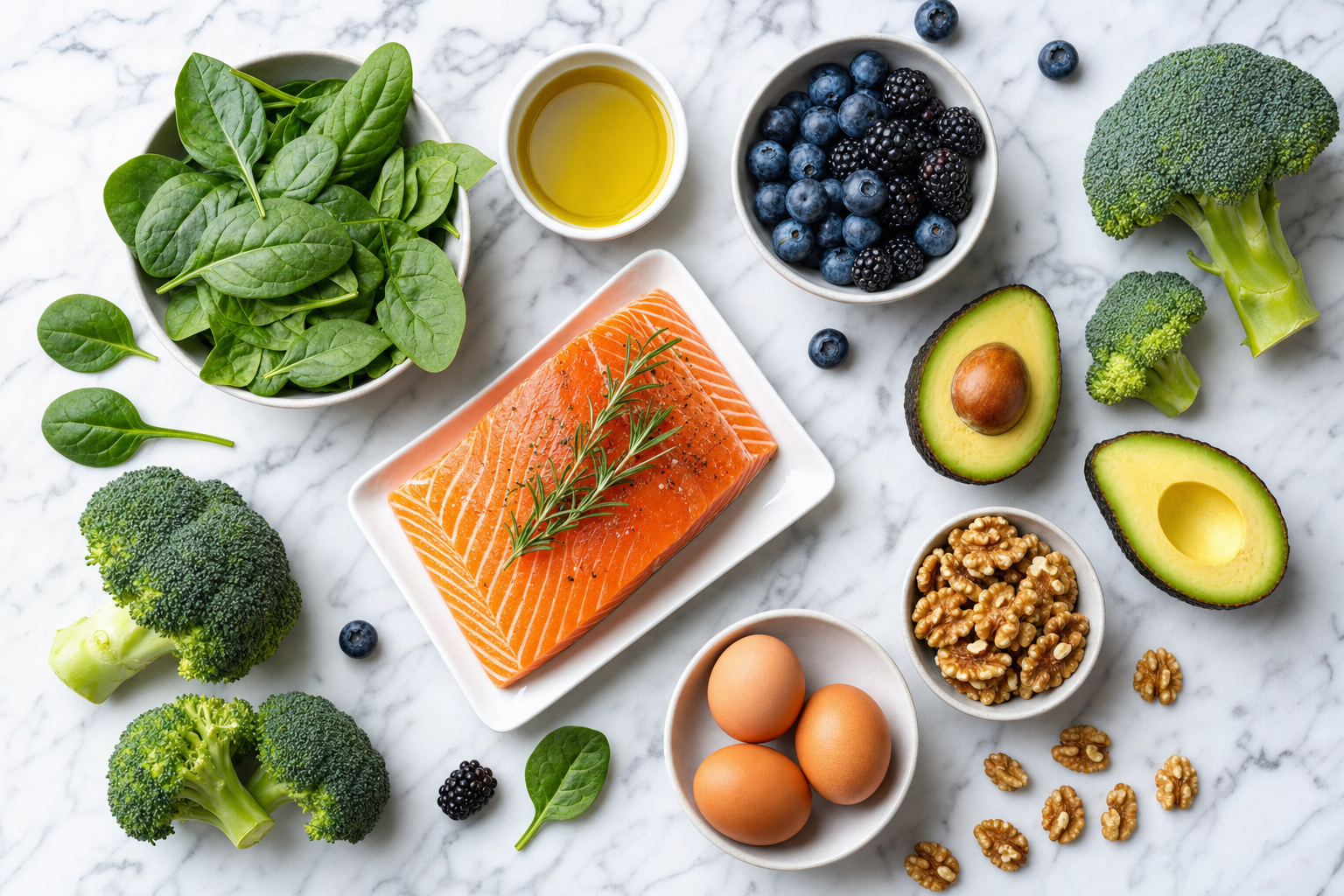
Leafy greens, broccoli, cauliflower, zucchini, peppers, cucumbers, and asparagus are loaded with fiber, vitamins, and minerals while containing very little glucose-raising carbohydrate. They should form the foundation of every blood-sugar-friendly meal. Aim to fill at least half your plate with non-starchy vegetables at lunch and dinner.
Lean Protein Foods
Protein has a minimal direct effect on blood sugar but plays a crucial role in slowing glucose absorption from the rest of your meal. Excellent choices include eggs, chicken breast, turkey, canned tuna, salmon, Greek yogurt, cottage cheese, tofu, and legumes. Including protein at every meal helps blunt post-meal glucose spikes and keeps you full for longer.
High-Fiber Carbs
Not all carbohydrates are created equal. High-fiber carbohydrates — such as oats, quinoa, brown rice, lentils, chickpeas, sweet potatoes, and whole grain bread — digest slowly, releasing glucose gradually into the bloodstream rather than all at once. This results in a much gentler rise in blood sugar compared to refined carbohydrates.
Healthy Fats
Fats like avocado, olive oil, nuts, seeds, and fatty fish don’t raise blood sugar on their own and help slow the absorption of glucose when eaten with carbohydrates. Adding a drizzle of olive oil to a grain bowl or sliced avocado to a wrap meaningfully reduces the post-meal glucose response.
Foods That Help Prevent Blood Sugar Spikes
Certain foods are particularly effective at blunting glucose spikes. Apple cider vinegar taken before a meal has been shown to reduce post-meal blood sugar in several studies. Cinnamon may improve insulin sensitivity with regular use. Berries — despite being sweet — have a low glycemic impact due to their fiber and antioxidant content. Chia seeds and flaxseeds are high in soluble fiber that forms a gel in the gut, slowing glucose absorption.
Pairing any carbohydrate with protein, fat, or fiber — rather than eating it alone — is the single most effective strategy for preventing spikes.
Foods to Limit or Avoid
Some foods cause rapid, steep rises in blood sugar that are hard on your metabolism over time. These include: sugary drinks (soda, juice, energy drinks, sweetened coffee), white bread and refined grains, white rice, pastries and baked goods made with white flour, candy, and most breakfast cereals. Ultra-processed snack foods — chips, crackers, and packaged sweets — tend to have high glycemic loads and very little fiber or protein to slow absorption.
Alcohol deserves special mention: it can initially cause blood sugar to drop and then rebound later, particularly dangerous for those managing diabetes or hypoglycemia.
Meal Ideas for Better Blood Sugar
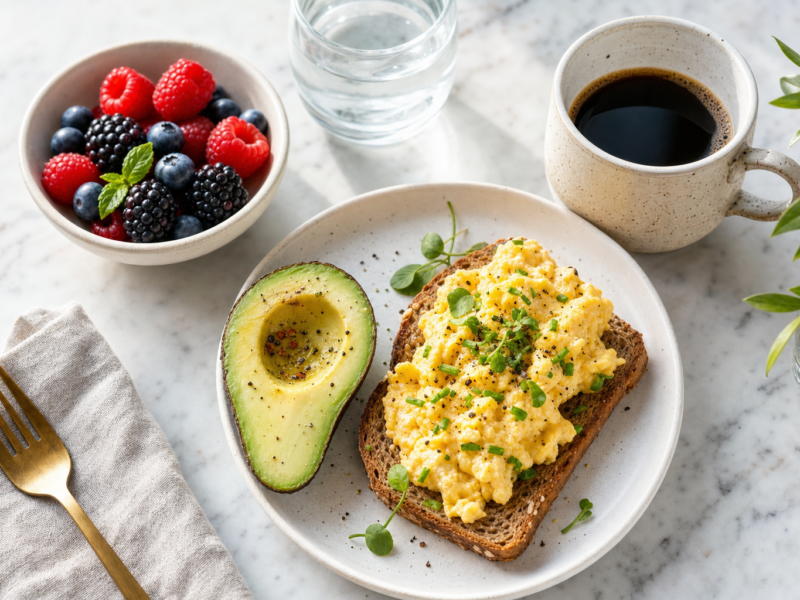
Building blood-sugar-friendly meals doesn’t have to be complicated. For breakfast, try scrambled eggs with spinach and whole grain toast, or Greek yogurt with berries and a sprinkle of chia seeds. For lunch, a large salad with grilled chicken, avocado, chickpeas, and olive oil dressing works beautifully. For dinner, baked salmon with roasted broccoli and quinoa is both satisfying and glucose-friendly. Snacks can include a small handful of almonds, sliced vegetables with hummus, or a boiled egg.
FAQ
What foods are best for blood sugar?
Non-starchy vegetables, lean proteins, legumes, healthy fats, and high-fiber whole grains are the best foundation for stable blood sugar.
What foods spike blood sugar the most?
Sugary drinks, white bread, white rice, pastries, candy, and ultra-processed snacks cause the fastest and highest blood sugar spikes.
Are carbs bad for blood sugar?
Not all carbs are equal. High-fiber, whole-food carbohydrates have a much gentler effect on blood sugar than refined carbohydrates and sugars.
Is fruit okay if I’m watching blood sugar?
Most whole fruits are fine in moderate portions. Berries, apples, pears, and citrus have lower glycemic impact. Pair fruit with protein or fat to further reduce any glucose spike.
What should I eat to avoid a sugar crash?
Eat balanced meals with protein, fiber, and fat rather than high-sugar snacks alone. Avoid going long periods without eating.
What’s the best breakfast for blood sugar?
A protein-rich breakfast with some fiber — such as eggs with vegetables, or Greek yogurt with berries — sets you up for stable energy all morning.
Simple 3-Day Blood Sugar Meal Plan
Day 1: Breakfast: Greek yogurt + berries + chia seeds. Lunch: Grilled chicken salad with olive oil dressing. Dinner: Baked salmon + roasted broccoli + quinoa.
Day 2: Breakfast: 2 eggs + spinach + 1 slice whole grain toast. Lunch: Lentil soup + side salad. Dinner: Turkey stir-fry with non-starchy vegetables + brown rice.
Day 3: Breakfast: Oats + flaxseed + walnuts + cinnamon. Lunch: Tuna salad in lettuce wraps + sliced cucumber. Dinner: Grilled chicken thighs + roasted sweet potato + steamed green beans.
Foods That Keep Blood Sugar Steady
Best Foods for Stable Glucose
- Non-starchy vegetables — leafy greens, broccoli, peppers, cauliflower; virtually no glucose impact
- Legumes — lentils, chickpeas, kidney beans; low GI, high fiber and protein
- Intact whole grains — barley, steel-cut oats, quinoa
- Berries — blueberries, strawberries, raspberries; high fiber, lower sugar than most fruits
- Nuts and seeds — almonds, chia, flaxseed; fats slow glucose absorption
- Plain Greek yogurt — protein and fat blunt the glucose response
- Vinegar — 1-2 tbsp before carb-heavy meals reduces post-meal glucose spike up to 20%
The Golden Rule: Pair Carbs With Protein, Fat or Fiber
Pairing any carbohydrate with protein, fat or fiber reduces its glycemic impact. The same white bread produces a much lower glucose spike when eaten with avocado, eggs or nut butter.
What foods keep blood sugar steady throughout the day?
Non-starchy vegetables + lean protein + healthy fat at every meal, with intact whole grains rather than refined carbs. This pattern consistently produces stable glucose in CGM studies.
What is the best breakfast to keep blood sugar stable?
Eggs with vegetables and avocado, Greek yogurt with berries and nuts, or steel-cut oats with nut butter and seeds. Avoiding juice and sugary cereals makes the single biggest difference.
Does protein with carbs stabilise blood sugar?
Yes. Even 10-15g of protein eaten before or with carbohydrates measurably reduces the post-meal glucose peak by slowing gastric emptying.

 James Hargreaves

 Rachel Summers
 Ashley
 Emma Thornton