
 Emma Thornton
Why Exercise Helps Blood Sugar
Exercise is one of the most powerful tools available for blood sugar control — and it works through multiple mechanisms simultaneously. When your muscles contract during physical activity, they absorb glucose from the bloodstream directly, largely independent of insulin. This means exercise lowers blood sugar even when insulin function is impaired, making it uniquely valuable for people with insulin resistance or type 2 diabetes. For a foundational understanding of how blood sugar regulation works, see our complete blood sugar guide.
Beyond the immediate glucose-lowering effect during exercise, regular physical activity also improves insulin sensitivity for 24–72 hours afterwards — meaning your cells respond better to insulin for days after each session. Over weeks and months, consistent exercise rebuilds metabolic function, reduces visceral fat, lowers fasting blood sugar, and can produce sustained HbA1c reductions comparable to some oral medications. See how exercise complements improving insulin resistance naturally and lowering blood sugar through lifestyle.
Best Types of Exercise for Glucose Control
Not all exercise affects blood sugar equally. Different types of movement have distinct and complementary effects on glucose metabolism.
Walking
Walking is the most accessible and one of the most effective exercises for blood sugar management. Post-meal walking in particular — even just 10 minutes — has been shown to reduce post-meal glucose spikes by 20–30%. Walking is low-impact, requires no equipment, and can be sustained indefinitely. See our dedicated guide to walking after meals for blood sugar for a full breakdown of timing and dosage.
Strength Training
Resistance training — lifting weights, using resistance bands, or doing bodyweight exercises like squats and push-ups — is arguably the most powerful long-term tool for blood sugar control. Building muscle increases your body’s glucose storage capacity and metabolic rate, improving insulin sensitivity for days after each session. Two to three strength sessions per week consistently produces significant HbA1c reductions in people with prediabetes and type 2 diabetes. It also supports weight loss alongside blood sugar management.
HIIT or Intervals
High-intensity interval training (HIIT) — short bursts of intense effort followed by brief rest periods — produces rapid and dramatic improvements in insulin sensitivity and glucose disposal. Even 15–20 minutes of interval training two to three times per week has been shown to improve HbA1c as effectively as longer moderate-intensity cardio sessions. HIIT is particularly effective for people who are time-constrained or who have reached a plateau with steady-state cardio.
Yoga and Mobility
While less intense than other forms of exercise, yoga and stretching-based movement have been shown to meaningfully reduce fasting blood sugar and HbA1c in people with type 2 diabetes, likely through a combination of stress hormone reduction, improved parasympathetic nervous system tone, and gentle muscular engagement. Yoga is particularly valuable as a complement to higher-intensity exercise and for managing the stress component of blood sugar dysregulation.
When to Exercise for Best Results
Timing matters for blood sugar management. Exercising after meals — when blood sugar is at its peak — delivers the greatest immediate glucose-lowering effect. Evening exercise, in particular, has been shown to reduce overnight and next-morning fasting glucose for many people. For longer sessions like strength training or runs, aim for 1–2 hours after eating a moderate meal rather than on an empty stomach, which can cause blood sugar instability, especially for those on blood sugar medication. Our article on post-meal walking explores the timing principle in the most practical context.
How to Stay Safe While Exercising With Blood Sugar Issues
If you’re managing diabetes or are on blood sugar medication, exercise safety is important. Always check your blood sugar before exercise if you’re on insulin or sulfonylureas — exercise can lower blood sugar significantly during and after a session. Carry fast-acting glucose (glucose tablets or juice) in case of hypoglycemia. If your fasting glucose is above 250 mg/dL, intense exercise may temporarily raise it further due to stress hormone release — check with your doctor before exercising at very high glucose levels. Stay well hydrated, and start gently if you haven’t exercised in a long time. Learn how to recognise and manage low blood sugar symptoms during and after exercise.
FAQ
Does exercise lower blood sugar?
Yes. Exercise lowers blood sugar during activity by directing glucose into working muscles, and improves insulin sensitivity for 24–72 hours afterwards.
What workout is best for blood sugar?
A combination of resistance training (2–3x per week) and daily walking — especially post-meal walking — produces the most sustained blood sugar improvements for most people.
Should I exercise after meals?
Yes — exercising within 30–60 minutes after eating intercepts the post-meal glucose spike at its peak. Even a 10-minute walk is highly effective.
Is walking enough?
Walking alone is a powerful tool, especially post-meal walking. Adding resistance training amplifies the long-term benefits significantly, particularly for HbA1c reduction and insulin sensitivity.
Can I exercise if I have prediabetes?
Absolutely — exercise is one of the most effective interventions for reversing prediabetes. See our guide to prediabetes reversal for a structured approach.
How do I stay safe during workouts?
Check blood sugar before exercising if on medication. Carry fast-acting glucose. Stay hydrated. Start gradually and build intensity over weeks.
7-Day Blood Sugar Exercise Plan
Day 1: 10-minute walk after every meal. Day 2: 20-minute brisk walk + 10-minute bodyweight strength (squats, lunges, push-ups). Day 3: 15-minute post-dinner walk. Day 4: 25-minute resistance training session (weights or resistance bands). Day 5: 10-minute post-meal walks x3 + gentle yoga (20 minutes). Day 6: 30-minute brisk walk or light jog. Day 7: Active recovery — gentle stretching or a 20-minute nature walk. Repeat and progressively increase intensity and duration each week.


 James Hargreaves
 Daniel Brooks

 Sarah Mitchell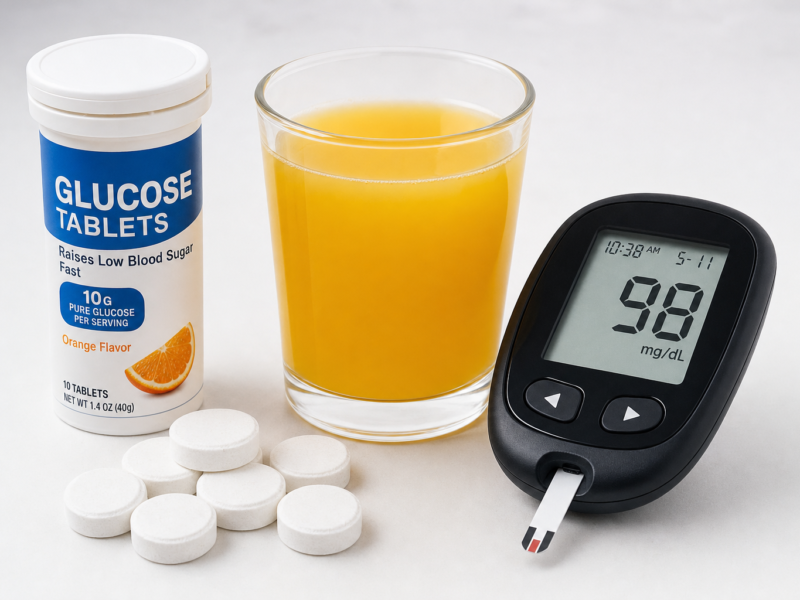
 Ashley
 Emma Thornton