 James Hargreaves
What HbA1c Measures
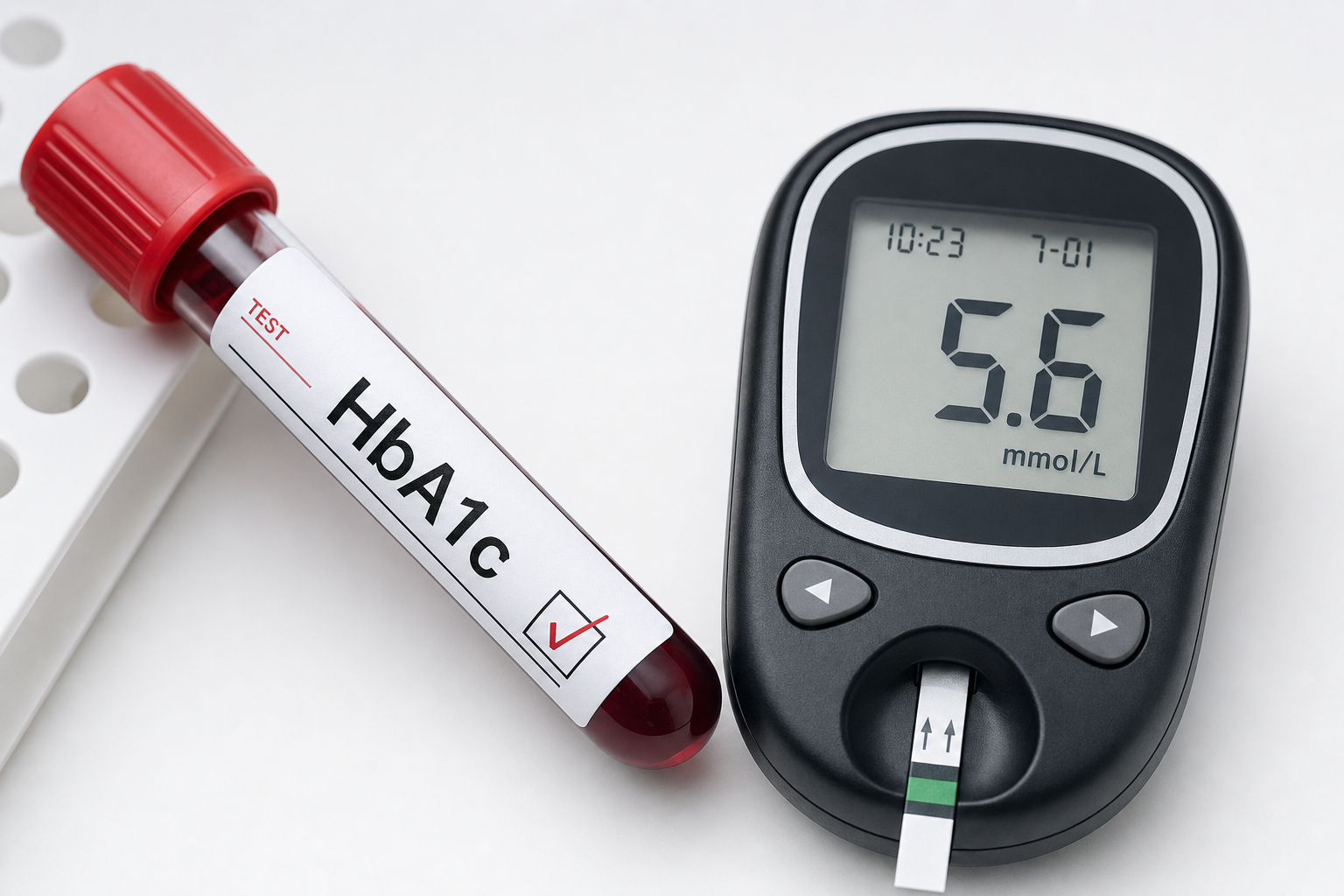
HbA1c — short for glycated haemoglobin — is a blood test that measures the percentage of haemoglobin (the protein in red blood cells that carries oxygen) that has glucose attached to it. Because red blood cells live for approximately 90 days, the HbA1c test reflects your average blood sugar levels over the past 2–3 months — making it a far more reliable indicator of long-term glucose control than a single fasting blood sugar reading. For a full overview of how blood sugar is measured and what the numbers mean, see our complete blood sugar guide.
HbA1c is reported as a percentage. The higher your average blood sugar over those 90 days, the more glucose has attached to haemoglobin, and the higher the percentage. It’s the gold standard test for diagnosing and monitoring prediabetes and diabetes, and for tracking how well blood sugar management strategies are working over time.
Why HbA1c Matters
A single fasting glucose reading can be influenced by what you ate the day before, how well you slept, your stress levels, or whether you had a recent illness. HbA1c cuts through this noise — it gives a stable, averaged picture of your glucose over months. This makes it invaluable both for diagnosis and for monitoring whether dietary changes, exercise, or medication are actually working. If you’ve been diagnosed with prediabetes, tracking your HbA1c every 3–6 months is the clearest way to measure whether your lifestyle changes are reversing it. If you’re managing high blood sugar, HbA1c tells you whether your daily habits are actually translating into sustained improvement.
What the Numbers Mean
HbA1c results are interpreted according to three clearly defined ranges used universally by clinicians.
Normal Range
An HbA1c below 5.7% is considered normal, indicating well-regulated blood sugar with no signs of glucose dysregulation. This is the range to aim for and maintain through healthy lifestyle habits. People with HbA1c consistently below 5.5% have particularly low metabolic risk.
Prediabetes Range
An HbA1c between 5.7% and 6.4% indicates prediabetes — elevated average blood sugar that significantly increases the risk of progressing to type 2 diabetes if left unaddressed. However, this is also the range where lifestyle intervention is most effective. The Diabetes Prevention Program demonstrated that many people can bring their HbA1c back below 5.7% within 3–6 months of targeted diet and exercise changes. See our full guide to reversing prediabetes for a structured action plan.
Diabetes Range
An HbA1c of 6.5% or above on two separate tests confirms a diagnosis of type 2 diabetes. At this level, the risk of cardiovascular disease, kidney disease, neuropathy, and retinopathy increases substantially with every additional percentage point. However, even at this stage, HbA1c is highly responsive to intervention — many people with type 2 diabetes reduce their HbA1c by 1–2 percentage points or more through sustained diet, exercise, and medication adherence. Learn more about diabetes symptoms and how to take action.
How to Improve HbA1c
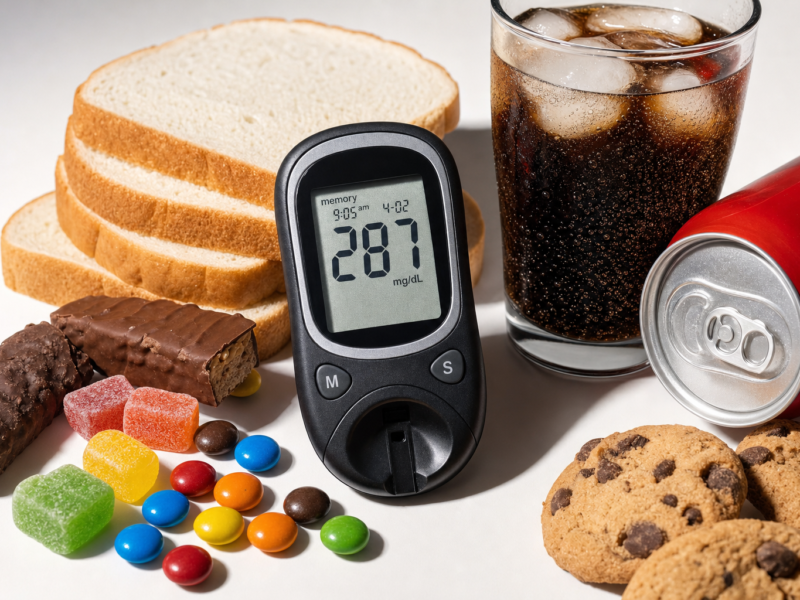
Because HbA1c reflects 90-day average glucose, improvements require consistent sustained effort rather than short-term fixes. The most effective strategies are the same ones that lower daily blood sugar: eating a diet high in fiber and protein and low in refined carbohydrates, exercising regularly (particularly resistance training and post-meal walking), improving sleep quality and duration, managing stress, and — where appropriate — medication. See our natural blood sugar lowering guide and best foods for blood sugar for detailed practical strategies. Most people who implement consistent changes see a measurable HbA1c reduction within 3 months.
FAQ
What is HbA1c?
A blood test measuring the percentage of haemoglobin with glucose attached — reflecting your average blood sugar level over the past 2–3 months.
What is a normal HbA1c?
Below 5.7% is normal. Below 5.5% is optimal. Between 5.7–6.4% indicates prediabetes. 6.5% or above on two tests indicates diabetes.
What HbA1c means prediabetes?
Any result between 5.7% and 6.4% falls in the prediabetes range. This is the critical window for lifestyle intervention to prevent progression to type 2 diabetes.
How can I lower HbA1c?
Consistently eat a low-glycemic, high-fiber, high-protein diet; exercise regularly; improve sleep; manage stress; reduce refined carbohydrates and added sugars. Improvements typically show within 3 months.
How often should I test HbA1c?
For people with prediabetes, every 6 months is typical. For those with diabetes, every 3 months. For monitoring lifestyle changes, every 3 months gives the clearest feedback on progress.
Is HbA1c better than fasting glucose?
HbA1c is generally more reliable because it’s not influenced by recent meals, stress, or sleep. However, both tests provide complementary information and doctors often use both together for a complete picture.
30-Day HbA1c Improvement Plan
Week 1: Eliminate all sugary drinks; walk 10 minutes after every meal. Week 2: Restructure every meal around protein first, then vegetables, then complex carbs. Week 3: Add two resistance training sessions; tighten sleep to 7–9 hours consistently. Week 4: Review your food log for hidden sources of refined carbs and swap them out. After 90 days on this plan, retest your HbA1c — most people who maintain these habits see a reduction of 0.3–1.0 percentage points or more.

 Rachel Summers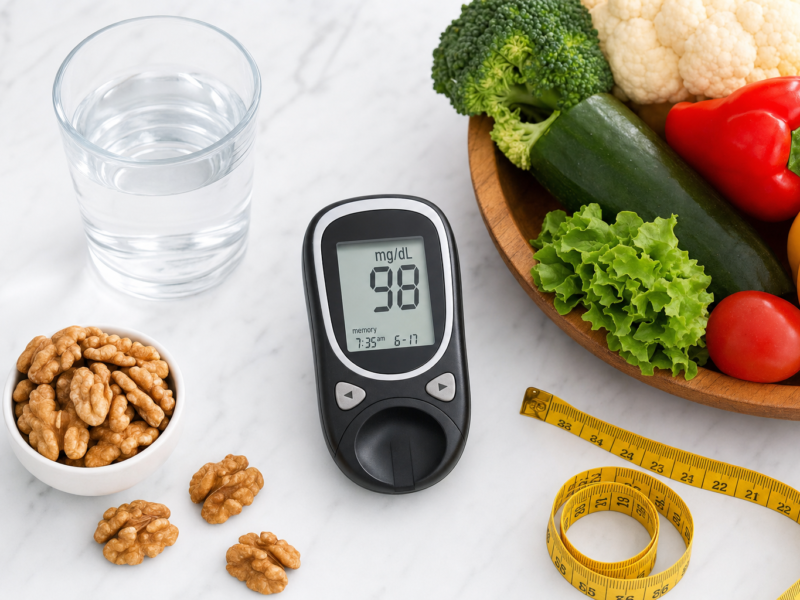
 Sarah Mitchell
 James Hargreaves
 Daniel Brooks
