
 Daniel Brooks
What Is Sarcopenia?
Sarcopenia — from the Greek meaning “poverty of flesh” — is the progressive, age-related loss of skeletal muscle mass, strength, and function. It is not simply the normal reduction in physical capacity with aging; it is a recognised clinical syndrome with diagnostic criteria, measurable outcomes, and serious health consequences. Sarcopenia increases the risk of falls, fractures, physical disability, hospitalisation, and premature death. It impairs insulin sensitivity (accelerating metabolic disease), reduces bone density (accelerating osteoporosis), and is associated with higher dementia risk. Despite its severity, sarcopenia is highly preventable and partially reversible with the right interventions. For the full healthy aging context, see our complete healthy aging guide.
Why Muscle Loss Happens With Age
Muscle mass begins declining at approximately 3–8% per decade from the 30s onward, accelerating to 1–2% per year from the 50s. The drivers are multiple and compound each other: declining anabolic hormones (testosterone, growth hormone, IGF-1, and oestrogen all fall with age), increased inflammatory cytokines that promote muscle protein breakdown, reduced motor neuron function and motor unit recruitment efficiency, anabolic resistance (the reduced sensitivity of aging muscle to the muscle-building signals of protein and exercise), reduced physical activity, and often inadequate protein intake. Neuromuscular changes — the loss of fast-twitch (type II) muscle fibres — are particularly significant, contributing to the loss of power and speed that characterise aging movement.
Signs and Symptoms of Sarcopenia
The clinical diagnosis of sarcopenia requires both low muscle mass and either low muscle strength (measured by grip strength) or low physical performance (measured by gait speed, chair stand time, or the Short Physical Performance Battery). In practice, warning signs include: difficulty rising from a chair without using your arms, noticeably slower walking speed, difficulty carrying groceries or climbing stairs, reduced grip strength, increasing falls or near-falls, unexplained weight loss with apparent loss of muscle bulk, and persistent fatigue even with adequate sleep.
How to Prevent and Treat Sarcopenia
Resistance Training — the Most Important Intervention
Progressive resistance training — lifting weights, using resistance bands, or performing bodyweight exercises with progressive overload — is the most effective intervention for both preventing and reversing sarcopenia. It stimulates muscle protein synthesis, preserves motor neuron function, maintains type II muscle fibres, and improves the anabolic sensitivity of muscle (partially reversing anabolic resistance). Two to three sessions per week of resistance training that targets all major muscle groups, with progressive increases in load over time, produces significant strength and muscle mass gains even in adults in their 70s, 80s, and beyond. Studies show that previously sedentary older adults can increase muscle mass by 10–15% and strength by 25–100% within 12 weeks of progressive resistance training. See our guide to exercise for healthy aging for programming guidance.
Protein Intake
Aging muscle requires more dietary protein to produce the same anabolic response as younger muscle — a phenomenon called anabolic resistance. Current evidence supports protein intake of 1.2–1.6g per kilogram of body weight per day for older adults trying to preserve or build muscle, distributed across 3–4 meals rather than concentrated in one or two. Each meal should ideally contain 25–40g of high-quality protein containing at least 2.5–3g of leucine — the amino acid most responsible for triggering muscle protein synthesis. See our guide to the anti-aging diet for protein food sources and strategies.
Protein Timing
Consuming protein close to resistance training (within 2 hours post-workout) maximises the training-induced stimulation of muscle protein synthesis. Pre-sleep protein (a serving of casein protein, cottage cheese, or Greek yogurt) extends the period of elevated muscle protein synthesis through the night, supporting recovery and adaptation. See our guide to sleep and aging for how sleep quality influences muscle recovery.
Vitamin D and Creatine
Vitamin D deficiency is associated with reduced muscle function and increased sarcopenia risk — vitamin D receptors in muscle tissue regulate protein synthesis. Correcting deficiency (supplementing to achieve 75–125 nmol/L blood levels) is an important co-intervention alongside resistance training and protein. Creatine monohydrate (3–5g daily) has growing evidence for supporting muscle mass and strength in older adults when combined with resistance training, and is one of the most cost-effective and well-evidenced supplements for this purpose.
Recovery and Mobility
Adequate recovery between resistance training sessions becomes more important with age — older adults typically need 48–72 hours of recovery between sessions targeting the same muscle groups. Sleep is the primary recovery window — growth hormone released during deep sleep drives muscle repair and adaptation. Mobility work, gentle aerobic activity on recovery days, and adequate overall physical activity (avoiding extended sedentary periods) all support muscle health and function between sessions.
FAQ
What is sarcopenia?
Sarcopenia is the progressive age-related loss of muscle mass, strength, and function that increases falls, disability, and mortality risk. It is largely preventable with resistance training and adequate protein.
At what age does muscle loss begin?
Muscle mass begins declining in the 30s at 3–8% per decade, accelerating to 1–2% per year from the 50s onward without active countermeasures.
Can you build muscle after 60?
Yes — clinical trials consistently show significant muscle mass and strength gains in adults in their 60s, 70s, and 80s with progressive resistance training.
How much protein do older adults need?
1.2–1.6g per kilogram of body weight daily, distributed across 3–4 meals with 25–40g per meal for maximum muscle protein synthesis stimulation.
What supplements help with muscle loss?
Creatine monohydrate (3–5g daily) and vitamin D (if deficient) have the strongest evidence for supporting muscle mass and function in older adults alongside resistance training.

 Sarah Mitchell
 Daniel Brooks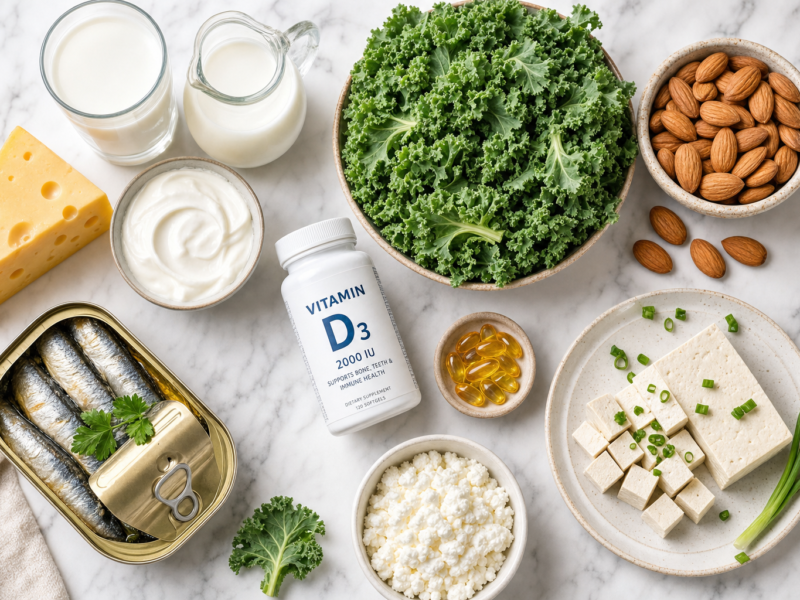
 James Hargreaves


 Emma Thornton