 James Hargreaves
What Makes a Diet Anti-Aging?
An anti-aging diet is not a fad or a restrictive protocol — it is a dietary pattern consistently associated with reduced chronic disease risk, preserved cognitive function, better physical performance, and longer healthspan. The common thread across the most evidence-supported anti-aging dietary patterns — the Mediterranean diet, the MIND diet, and the traditional diets of Blue Zone populations — is an abundance of whole plant foods, healthy fats, high-quality protein, and minimal ultra-processed food. For the complete framework of healthy aging, see our complete guide to healthy aging.
The Best Anti-Aging Foods
Leafy Greens and Vegetables
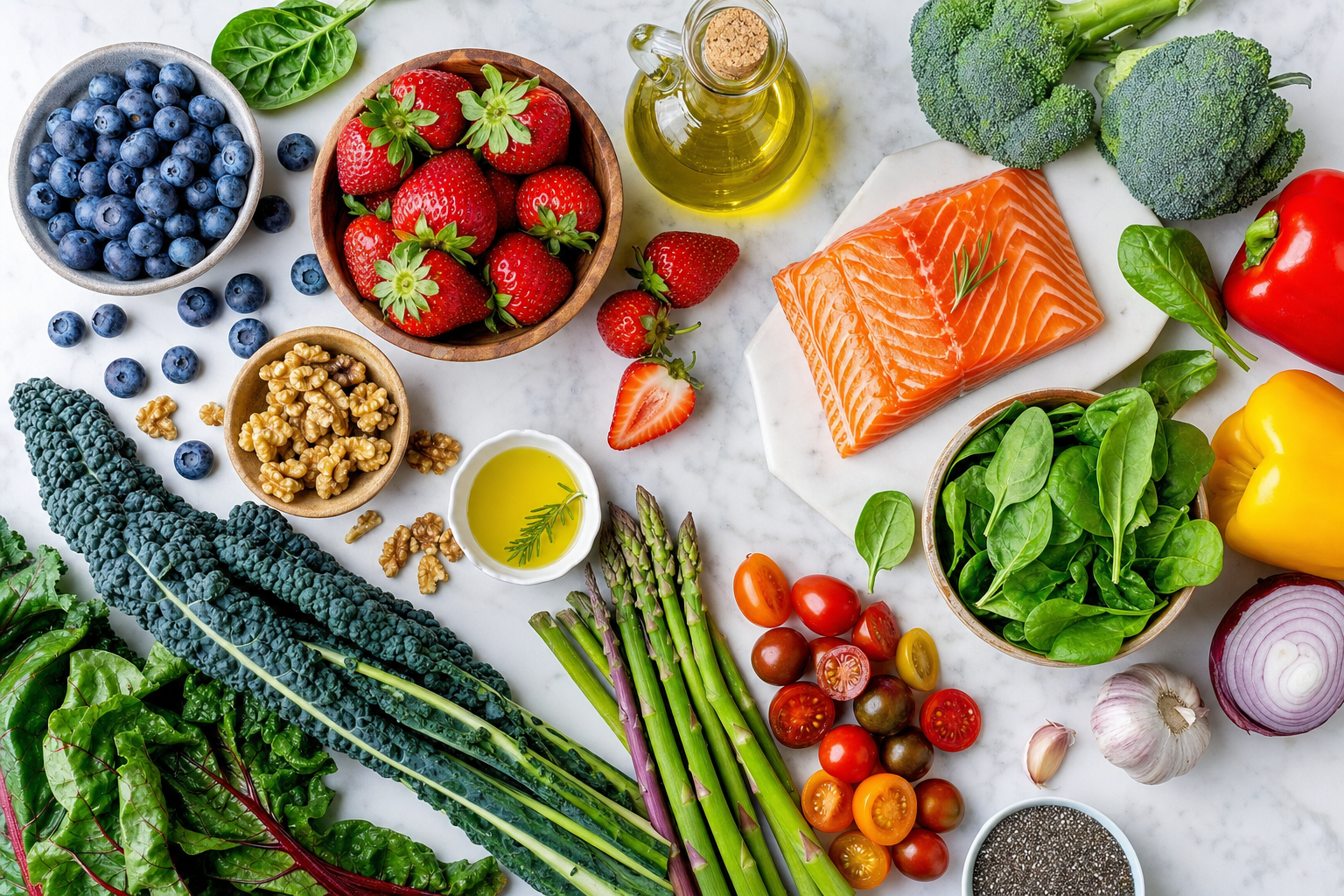
Dark leafy greens — kale, spinach, Swiss chard, rocket, and broccoli — are among the most nutrient-dense foods on the planet. They provide folate (critical for DNA repair and methylation), vitamin K (bone and cardiovascular health), lutein and zeaxanthin (eye health and cognitive protection), and a range of anti-inflammatory polyphenols. The MIND diet — the dietary pattern with the strongest evidence for cognitive decline prevention — specifically recommends six or more servings of leafy greens per week. See our guide to preventing cognitive decline for how diet protects the brain.
Berries
Blueberries, strawberries, raspberries, and blackberries are exceptional anti-aging foods. Their high anthocyanin content — the pigments responsible for their deep blue, red, and purple colours — has been associated with reduced cognitive decline, improved memory, lower blood pressure, reduced cardiovascular disease risk, and anti-inflammatory effects. Studies show that people who eat berries regularly have slower rates of cognitive aging. Two or more servings per week is the MIND diet recommendation; daily consumption is optimal.
Fatty Fish
Salmon, mackerel, sardines, herring, and anchovies are rich in EPA and DHA omega-3 fatty acids — the most important nutrients for brain health, cardiovascular health, and the control of systemic inflammation. Omega-3s support the structural integrity of brain cell membranes, reduce the production of inflammatory eicosanoids, lower triglycerides, and may slow telomere shortening. Two to three servings of oily fish per week or supplementation with at least 1g of EPA+DHA daily is well-evidenced for healthy aging. See our guide on heart health and aging for cardiovascular benefits.
Olive Oil
Extra virgin olive oil is a cornerstone of the Mediterranean diet and one of the most studied foods for healthy aging. Its oleocanthal content has anti-inflammatory effects comparable to ibuprofen at typical dietary doses. Its oleic acid and polyphenol content support cardiovascular health, brain function, and metabolic health. Studies of Mediterranean populations with very high olive oil consumption show significantly lower rates of cardiovascular disease, dementia, and cancer. Use as the primary culinary fat — 2–4 tablespoons daily in cooking and dressings.
Legumes
Lentils, chickpeas, black beans, and other legumes are the dietary cornerstone of virtually every long-lived population globally. They provide plant protein, soluble fiber (feeding beneficial gut bacteria), B vitamins, iron, magnesium, and zinc. High legume consumption is one of the strongest dietary predictors of longevity across cultures. See our guide to Blue Zone longevity habits for how legumes feature in the world’s longest-lived populations.
Nuts and Seeds
Regular nut consumption — particularly walnuts, almonds, pistachios, and Brazil nuts — is associated with reduced cardiovascular disease risk, lower all-cause mortality, and better cognitive aging. Walnuts are particularly rich in ALA omega-3s and polyphenols that cross the blood-brain barrier. A handful (30g) daily delivers meaningful benefits.
Whole Grains
Oats, barley, quinoa, brown rice, and whole wheat provide fiber (supporting gut microbiome health and metabolic function), B vitamins (nervous system and energy metabolism), and antioxidants. Refined grain consumption is consistently associated with worse aging outcomes — replacing them with whole grain alternatives improves multiple aging biomarkers.
Key Nutrients for Healthy Aging
Protein
Protein needs increase with age — not decrease. From the age of 50 onward, the body becomes less efficient at muscle protein synthesis in response to dietary protein (anabolic resistance), meaning more protein is needed to achieve the same muscle-maintaining effect. Most health organisations now recommend 1.2–1.6g of protein per kilogram of body weight for older adults — significantly above the 0.8g/kg minimum for younger sedentary adults. See our detailed guide to muscle loss and sarcopenia for the protein strategy in context.
Vitamin D and Calcium
Vitamin D deficiency is near-universal in older adults in northern latitudes and is associated with accelerated bone loss, increased fracture risk, impaired immune function, and higher dementia risk. Calcium and vitamin D work synergistically — without adequate vitamin D, calcium absorption is severely impaired. Supplementation with 1,000–2,000 IU vitamin D3 daily alongside adequate dietary calcium (1,000–1,200mg) is well-evidenced from midlife onward. See our guide to bone health and aging.
B12 and Folate
B12 absorption declines with age due to reduced stomach acid production. Deficiency causes neurological damage, anaemia, fatigue, and cognitive decline. Adults over 50 are advised to obtain B12 from supplements or fortified foods rather than relying on food absorption. Folate (as methylfolate) is important for DNA repair and homocysteine metabolism — elevated homocysteine is a risk factor for cardiovascular disease and dementia.
Antioxidants
Oxidative stress — the accumulation of reactive oxygen species that damage DNA, proteins, and lipids — is a central driver of cellular aging. Antioxidant-rich foods provide the raw materials for the body’s own antioxidant defence systems: vitamin C (in peppers, citrus, kiwi), vitamin E (in nuts, seeds, olive oil), selenium (in Brazil nuts, seafood), and polyphenols (in berries, dark chocolate, green tea). Note that antioxidant supplements don’t reliably replicate the benefits of antioxidant-rich foods — food is always the preferred source.
Dietary Patterns That Support Longevity
The Mediterranean Diet
The most extensively studied dietary pattern for healthy aging. Emphasises vegetables, fruits, whole grains, legumes, nuts, olive oil, and fish; moderate dairy; minimal red meat and processed food. Consistently associated with lower cardiovascular disease risk, reduced dementia incidence, better metabolic health, and lower all-cause mortality in large prospective studies spanning decades.
Caloric Restriction and Time-Restricted Eating
Modest caloric restriction — eating somewhat less than your body would spontaneously consume — is the most robustly replicated intervention for extending lifespan in animal models. In humans, evidence suggests that avoiding chronic overeating, maintaining a healthy body weight, and potentially limiting the eating window to 10–12 hours per day (time-restricted eating) may support metabolic health and longevity.
Foods to Limit for Healthy Aging
Ultra-processed foods — packaged snacks, fast food, sugary drinks, processed meats, and refined cereals — are consistently associated with accelerated aging, higher inflammation, cognitive decline, and increased mortality risk. Sugar-sweetened beverages are particularly damaging — associated with accelerated telomere shortening (biological aging marker), metabolic syndrome, and cardiovascular disease. Processed meats (hot dogs, deli meats, sausages) are classified as Group 1 carcinogens by the WHO. Alcohol above low to moderate amounts accelerates liver aging, increases cancer risk, disrupts sleep, and impairs brain health.
FAQ
What is the best diet for anti-aging?
The Mediterranean dietary pattern has the strongest and most consistent evidence for supporting healthy aging across multiple organ systems and disease categories.
What foods make you age faster?
Ultra-processed foods, sugary drinks, refined carbohydrates, processed meats, and excess alcohol are consistently associated with accelerated biological aging.
Does protein matter for aging?
Yes — protein needs increase with age. Adequate protein intake (1.2–1.6g/kg daily) is essential for preserving muscle mass, immune function, and recovery capacity in older adults.
Can diet really affect how you age?
Yes — significantly. Dietary patterns account for a substantial proportion of aging-related disease risk, and research on centenarian populations consistently identifies whole food, plant-rich diets as a central feature of exceptional longevity.
What supplements are most important for aging?
Vitamin D3, omega-3 fish oil, magnesium, and B12 (particularly for those over 50 or following plant-based diets) have the strongest evidence base for widespread benefit in older adults.
Related: Hydration and Longevity: How Water Intake Shapes Energy, Skin, and Aging


 Emma Thornton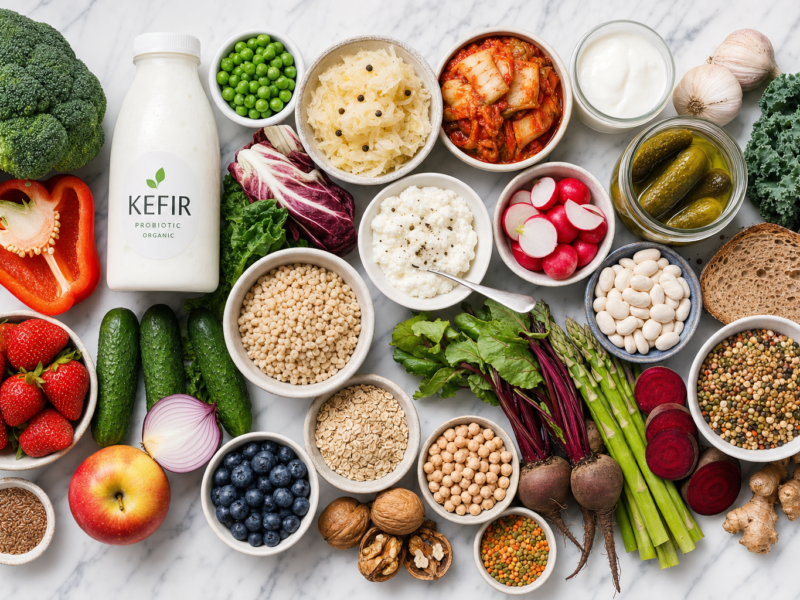
 Sarah Mitchell
 James Hargreaves