 Daniel Brooks
Why Constipation Happens
Constipation is defined as having fewer than three bowel movements per week, or bowel movements that are difficult to pass, incomplete, or associated with straining and hard, lumpy stools. It is one of the most common gastrointestinal complaints globally, affecting approximately 20% of adults at any given time and becoming more prevalent with age. While it is usually benign and responsive to lifestyle modification, chronic constipation significantly impairs quality of life and — when left unaddressed — can contribute to haemorrhoids, anal fissures, faecal impaction, and abdominal discomfort from bloating. Understanding the causes is the key to effective treatment. For broader digestive context, see our complete gut health guide.
Common Causes of Constipation
Low Fibre Intake
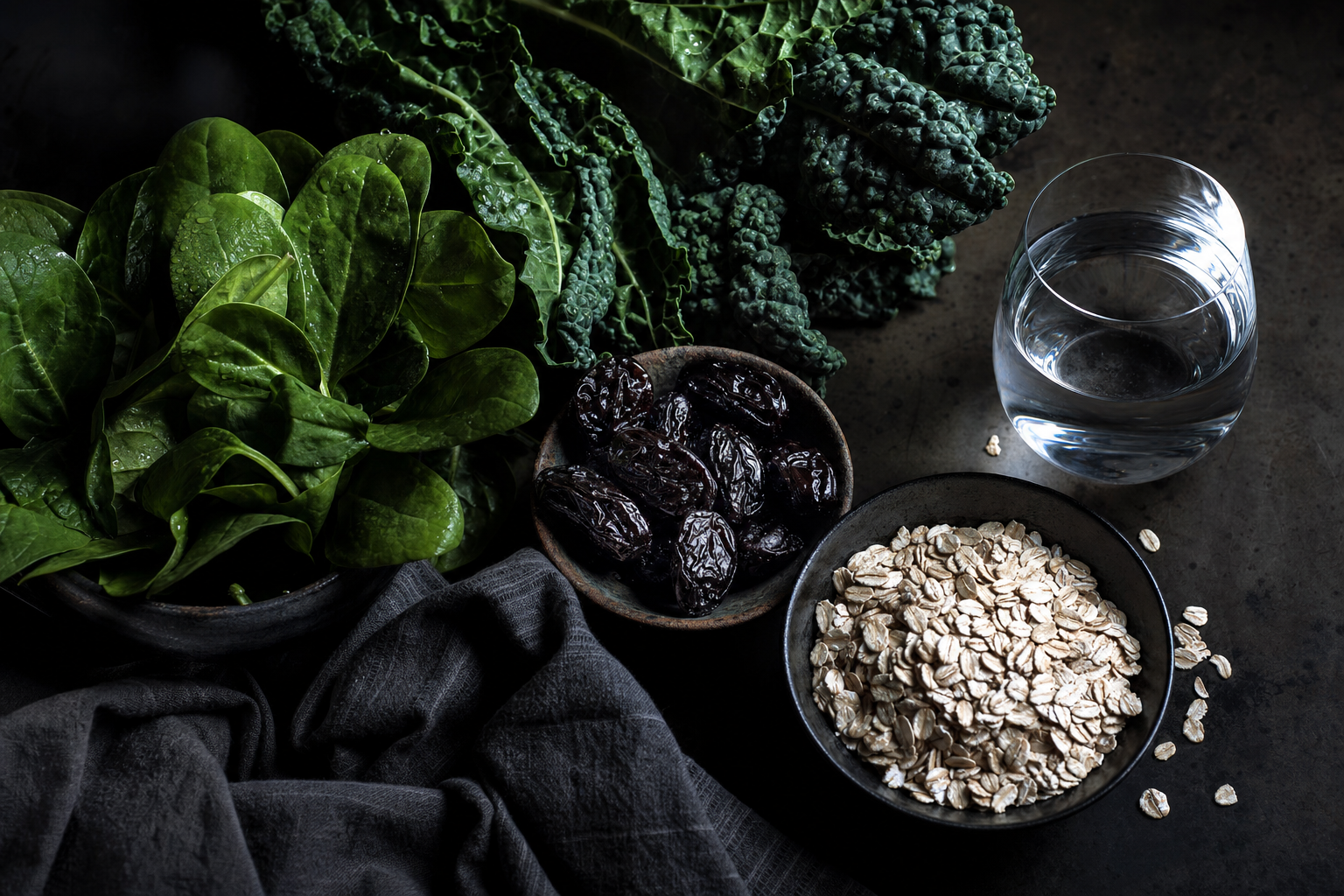
Dietary fibre is the primary driver of stool bulk and transit speed. Insoluble fibre — found in wheat bran, vegetables, and whole grains — adds bulk to stool and speeds transit time. Soluble fibre — found in oats, legumes, and fruits — forms a gel that softens stool. Most adults consume only 15–18g of fibre daily against a recommended 25–38g. This chronic fibre gap is the most common underlying cause of constipation in otherwise healthy adults. Increasing fibre intake gradually (to avoid bloating and gas) alongside adequate fluid intake is the first-line intervention.
Dehydration
The colon absorbs water from stool as it passes through — when the body is dehydrated, the colon absorbs more water, leaving stool dry, hard, and difficult to pass. Adequate fluid intake — approximately 2–2.5 litres daily from all sources — is essential for maintaining stool consistency. Increasing fibre without increasing fluid intake can actually worsen constipation by creating dry, bulky stool that is harder to move.
Physical Inactivity
Physical activity stimulates gut motility — the muscular contractions that propel stool through the colon. Sedentary lifestyles are strongly associated with constipation. Even moderate exercise (a daily 30-minute walk) significantly improves bowel frequency and reduces constipation symptoms. This is the mechanism behind the well-known exacerbation of constipation during extended periods of bed rest or low-activity phases.
Medications
Many commonly used medications cause constipation as a side effect: opioid pain medications (the most potent — they directly inhibit gut motility and are responsible for opioid-induced constipation, a distinct clinical entity), iron supplements, calcium channel blockers, antidepressants (particularly tricyclics), antispasmodics, antihistamines, and aluminium-containing antacids. A medication review is an important part of constipation assessment — switching or reducing problematic medications (where possible) significantly improves symptoms.
Ignoring the Urge
Repeatedly ignoring the urge to defecate — due to busy schedules, discomfort with public facilities, or anxiety — weakens the defecation reflex over time and allows stool to dry out in the rectum. Re-establishing a regular toilet routine, responding to urges promptly, and avoiding straining are important behavioural components of constipation management.
Natural Constipation Relief
Fibre-Rich Foods
The most effective fibre-rich foods for constipation are those providing insoluble fibre: wheat bran, wholegrain bread and cereals, vegetables (particularly leafy greens, broccoli, and carrots), nuts, and seeds. Prunes and prune juice deserve special mention — they contain sorbitol (a natural laxative) and a specific type of fibre that is particularly effective for constipation. Studies show that prunes are more effective than psyllium for increasing stool frequency. See our high fibre foods guide for a complete food list.
Hydration
Drinking sufficient water — particularly first thing in the morning — stimulates the gastrocolic reflex (the movement of the colon triggered by stomach distension) and helps establish a bowel routine. Warm water or warm liquids (including coffee, which has a well-documented laxative effect beyond caffeine) are particularly effective morning gut stimulants.
Exercise
Aerobic exercise — walking, cycling, swimming — is one of the most effective lifestyle interventions for constipation. Even a 10–15 minute walk after meals stimulates gut motility and can significantly improve bowel frequency in people with chronic constipation.
Toilet Position
The squatting position — or approximating it by raising the feet on a footstool while seated on the toilet — straightens the anorectal angle, allowing more complete and effortless defecation. Using a toilet stool (such as a Squatty Potty) reduces straining and time on the toilet in constipated individuals.
When to Use Laxatives
When lifestyle measures are insufficient, laxatives are an appropriate short-term measure. Osmotic laxatives (macrogol/polyethylene glycol, lactulose, milk of magnesia) are the preferred first-line pharmacological option — they work by drawing water into the colon to soften stool and are safe for longer-term use. Stimulant laxatives (senna, bisacodyl) are effective for short-term relief but are not intended for regular daily use. Bulking agents (psyllium, ispaghula husk) are effective when taken with adequate fluid.
When to See a Doctor
Seek medical assessment for: constipation that begins suddenly without obvious cause, blood in stool, unexplained weight loss, constipation alternating with diarrhoea, severe abdominal pain, constipation in someone over 50 without prior history, or constipation that doesn’t respond to lifestyle modification and laxatives. These may indicate underlying colorectal pathology requiring investigation.
FAQ
What is the fastest natural relief for constipation?
Warm liquids (coffee, warm water with lemon) first thing in the morning, prune juice, a brisk walk, and adequate hydration are the fastest natural interventions.
How many times a week should you poop?
Anywhere from 3 times per day to 3 times per week is considered within the normal range for healthy adults. What matters is consistency and comfort of defecation.
Does fibre help constipation?
Yes — particularly insoluble fibre (wheat bran, vegetables) which adds bulk and speeds transit. Increase fibre gradually alongside adequate fluid intake to avoid bloating.
Why do I feel bloated and constipated?
Slow transit time allows bacteria more time to ferment stool contents, producing excess gas. Addressing the constipation with fibre, hydration, and movement typically resolves the associated bloating.
What laxative is safest for long-term use?
Osmotic laxatives — particularly macrogol (PEG) — are the safest for longer-term use when lifestyle measures are insufficient. Always discuss long-term laxative use with a doctor.


 James Hargreaves
 Emma Thornton

 Rachel Summers
 Sarah Mitchell