 James Hargreaves
What Is IBS?
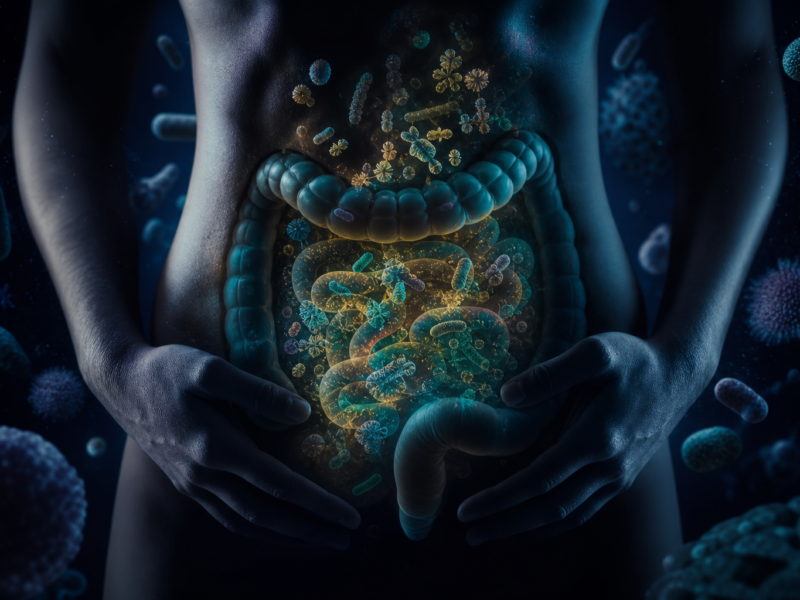
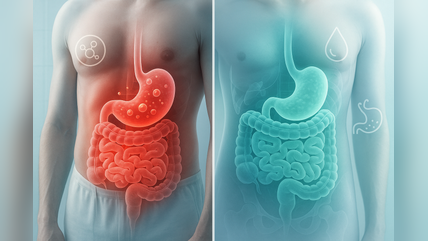
Irritable Bowel Syndrome (IBS) is the most common functional gastrointestinal disorder — affecting approximately 10–15% of people globally. It is characterised by recurring abdominal pain associated with altered bowel habits (diarrhoea, constipation, or both), bloating, and distension — in the absence of structural, inflammatory, or biochemical abnormalities detectable on standard investigations. IBS is a diagnosis of exclusion, meaning other conditions (inflammatory bowel disease, coeliac disease, bowel cancer) must first be ruled out. Despite being classified as “functional” — meaning no structural abnormality is visible — IBS involves genuine alterations in gut-brain communication, gut motility, visceral sensitivity, and often gut microbiome composition. For the broader context of digestive health, see our complete gut health guide.
IBS Symptoms
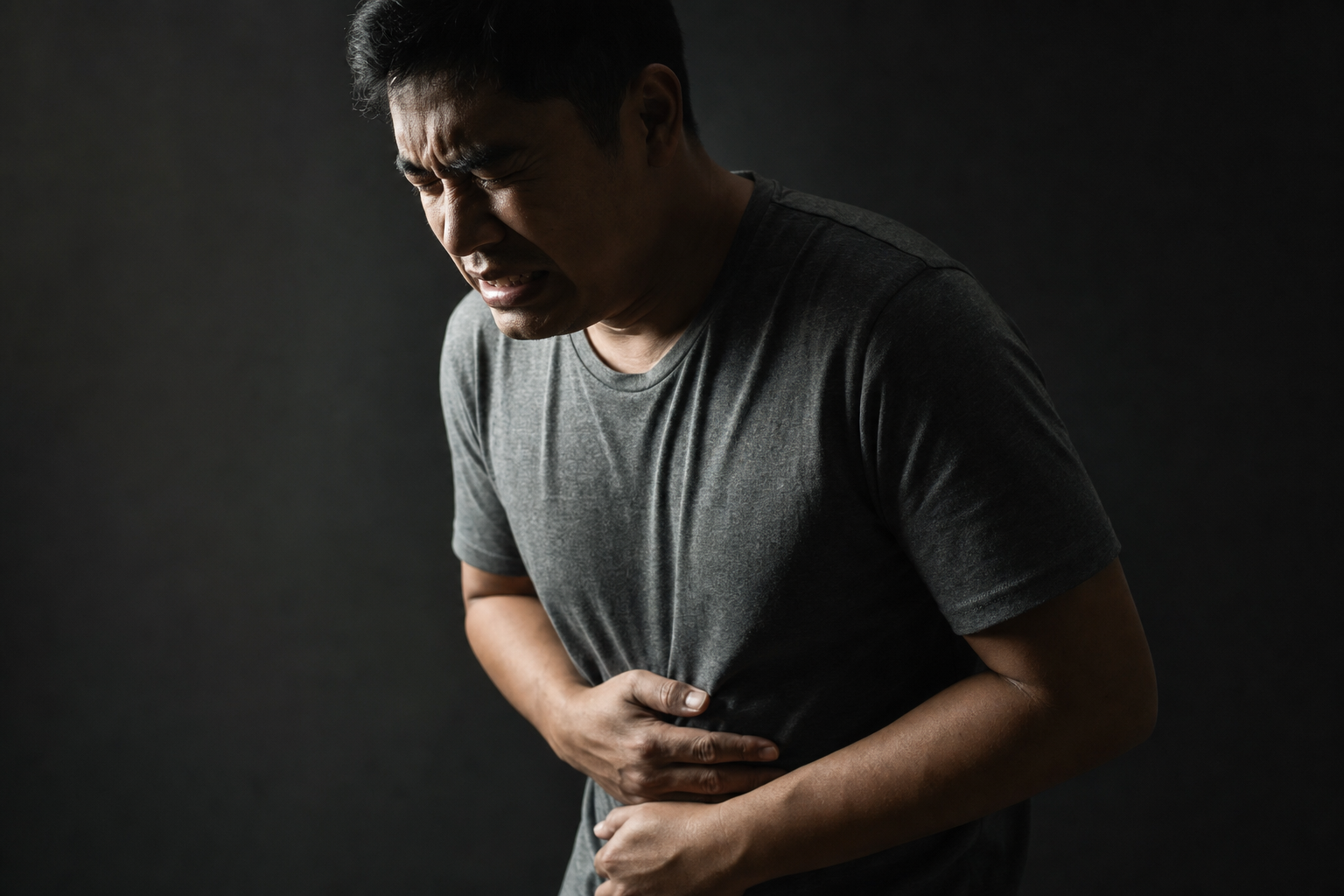
The Rome IV diagnostic criteria for IBS require recurrent abdominal pain, on average at least one day per week in the last three months, associated with at least two of: relation to defecation, change in stool frequency, or change in stool form (appearance). Additional symptoms commonly reported include: bloating and visible abdominal distension, urgency to defecate, feeling of incomplete evacuation, mucus in stool, and symptoms that worsen with eating and improve after defecation.
IBS Types
IBS is categorised by predominant bowel habit: IBS-D (diarrhoea-predominant), IBS-C (constipation-predominant), IBS-M (mixed, with alternating diarrhoea and constipation), and IBS-U (unclassified). The subtype influences both symptom management strategies and dietary approach — the low-FODMAP diet, for example, has evidence across all subtypes, while certain fibre types help IBS-C but may worsen IBS-D.
What Triggers IBS?
Food Triggers
Food is the most commonly reported IBS trigger. FODMAPs are the most evidence-based dietary trigger — a low-FODMAP diet produces significant symptom improvement in 50–75% of IBS patients. Other common food triggers include: gluten (even in the absence of coeliac disease — non-coeliac gluten sensitivity is a real phenomenon), fatty or fried foods (which stimulate the gastrocolic reflex strongly), caffeine, alcohol, and large meal portions. A food and symptom diary followed by structured elimination and reintroduction (ideally guided by a dietitian) identifies individual triggers more accurately than general advice. See our guide to foods that cause bloating for the broader food-gut connection.
Stress and Anxiety
The gut-brain axis — the bidirectional communication network between the central nervous system and the enteric nervous system (the gut’s own nervous system) — means that psychological stress directly alters gut function. Stress accelerates gut motility in some people (causing diarrhoea-predominant symptoms) and slows it in others (causing constipation-predominant symptoms). IBS is significantly more common in people with anxiety and depression, and psychological treatments — particularly cognitive behavioural therapy (CBT) and gut-directed hypnotherapy — have strong evidence for IBS symptom reduction. Stress management is not peripheral to IBS management; it is central.
Previous Gut Infection (Post-Infectious IBS)
IBS can be triggered by acute gastrointestinal infections — bacterial gastroenteritis, traveller’s diarrhoea, or viral gut infections. Post-infectious IBS (PI-IBS) develops in approximately 10% of people following an acute gut infection and may persist for months to years. Risk factors for PI-IBS include the severity of the initial infection, female sex, younger age, and pre-existing anxiety or depression.
Evidence-Based IBS Treatments
The Low-FODMAP Diet
The low-FODMAP diet is a three-phase dietary intervention: elimination (strict low-FODMAP for 4–6 weeks), reintroduction (systematically testing individual FODMAP groups to identify personal triggers), and personalisation (long-term diet based on identified tolerances). It is the most evidence-based dietary intervention for IBS, with 50–75% of patients reporting significant improvement. It should be undertaken with a registered dietitian to ensure nutritional adequacy — the elimination phase is not intended as a permanent diet. See our fiber for IBS guide for fiber management in IBS.
Gut-Directed Hypnotherapy
Gut-directed hypnotherapy — specifically developed for IBS — has some of the strongest long-term evidence of any IBS treatment. Multiple randomised controlled trials show 70–80% response rates, with benefits maintained at 5-year follow-up. It works by reducing gut hypersensitivity, normalising gut motility, and reducing the central sensitisation that amplifies gut-brain pain signals. It is available face-to-face with a trained therapist or through validated digital programmes.
CBT and Mindfulness
Cognitive behavioural therapy adapted for IBS targets the thoughts, behaviours, and avoidance patterns that perpetuate IBS symptoms and reduce quality of life. Multiple clinical trials show significant symptom reduction. Mindfulness-based stress reduction (MBSR) also has evidence for IBS, likely through reducing gut hypersensitivity and the anxiety amplification of gut sensations.
Medication Options
Several medications are used for IBS symptom management depending on subtype: antispasmodics (mebeverine, hyoscine) for abdominal pain and cramps; laxatives for IBS-C; loperamide for IBS-D urgency; low-dose tricyclic antidepressants (amitriptyline) for pain modulation and gut motility; peppermint oil capsules (enteric-coated) for abdominal pain. None address the underlying mechanisms; they are symptomatic treatments. Rifaximin (a gut-specific antibiotic) and linaclotide have specific evidence and are available by prescription in some countries.
When to See a Doctor
Always seek medical assessment before self-diagnosing IBS. Red flag symptoms requiring urgent investigation include: unintentional weight loss, rectal bleeding, persistent fever, symptoms starting after age 50, or a family history of bowel cancer or inflammatory bowel disease. These require exclusion of serious underlying pathology before an IBS diagnosis is appropriate.
FAQ
What is IBS?
IBS (Irritable Bowel Syndrome) is a functional gastrointestinal disorder causing recurring abdominal pain with altered bowel habits — diarrhoea, constipation, or both — and bloating, without structural abnormality.
What triggers IBS flare-ups?
Food (particularly high-FODMAP foods), psychological stress, certain medications, disrupted sleep, and hormonal changes (symptoms often worsen around menstruation in women) are the most common triggers.
Is IBS curable?
IBS is a chronic condition but highly manageable. Many people achieve significant symptom control through dietary modification, stress management, and targeted therapies. Symptoms often improve over time.
What is the best diet for IBS?
The low-FODMAP diet has the strongest evidence for IBS symptom reduction. It should be guided by a dietitian to ensure safety and effectiveness.
Can stress cause IBS?
Stress doesn’t cause IBS but is one of the most potent triggers for IBS flare-ups through direct effects on gut-brain communication, gut motility, and visceral sensitivity.

 Daniel Brooks
 Emma Thornton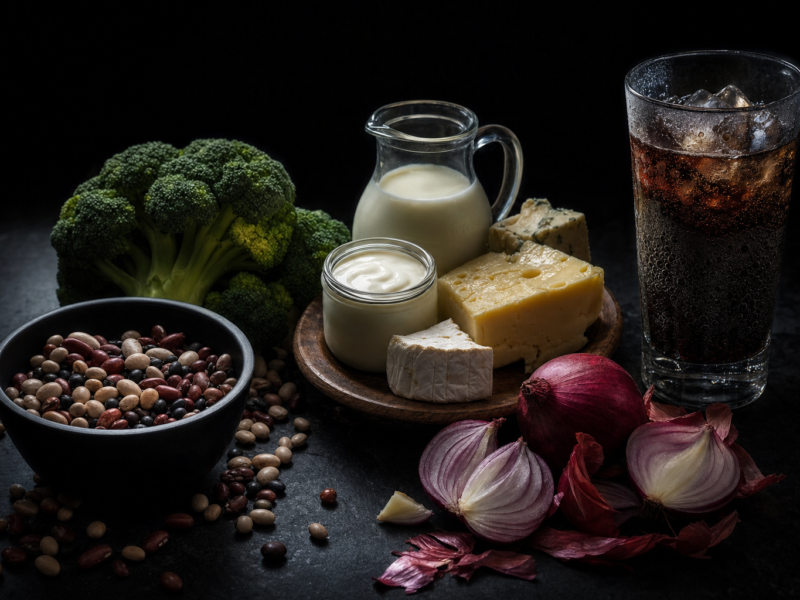
 Sarah Mitchell