 Emma Thornton
SIBO — small intestinal bacterial overgrowth — has become one of the more commonly discussed diagnoses in gut health, partly because it’s genuinely becoming better understood, and partly because it can explain symptoms (bloating, gas, unpredictable bowels, brain fog) that often go undiagnosed for years.
The frustrating thing about SIBO is that it’s highly treatable once correctly identified — but the treatment depends heavily on which type you have, and getting that wrong means the treatment won’t work. A lot of people cycle through antibiotics and restricted diets without lasting results because the underlying type wasn’t properly identified or the root cause was never addressed.
Here’s what the current evidence says about treatment — what works, what doesn’t, and the part most guides skip over entirely.
What Is SIBO and Why Does Treatment Depend on the Type?
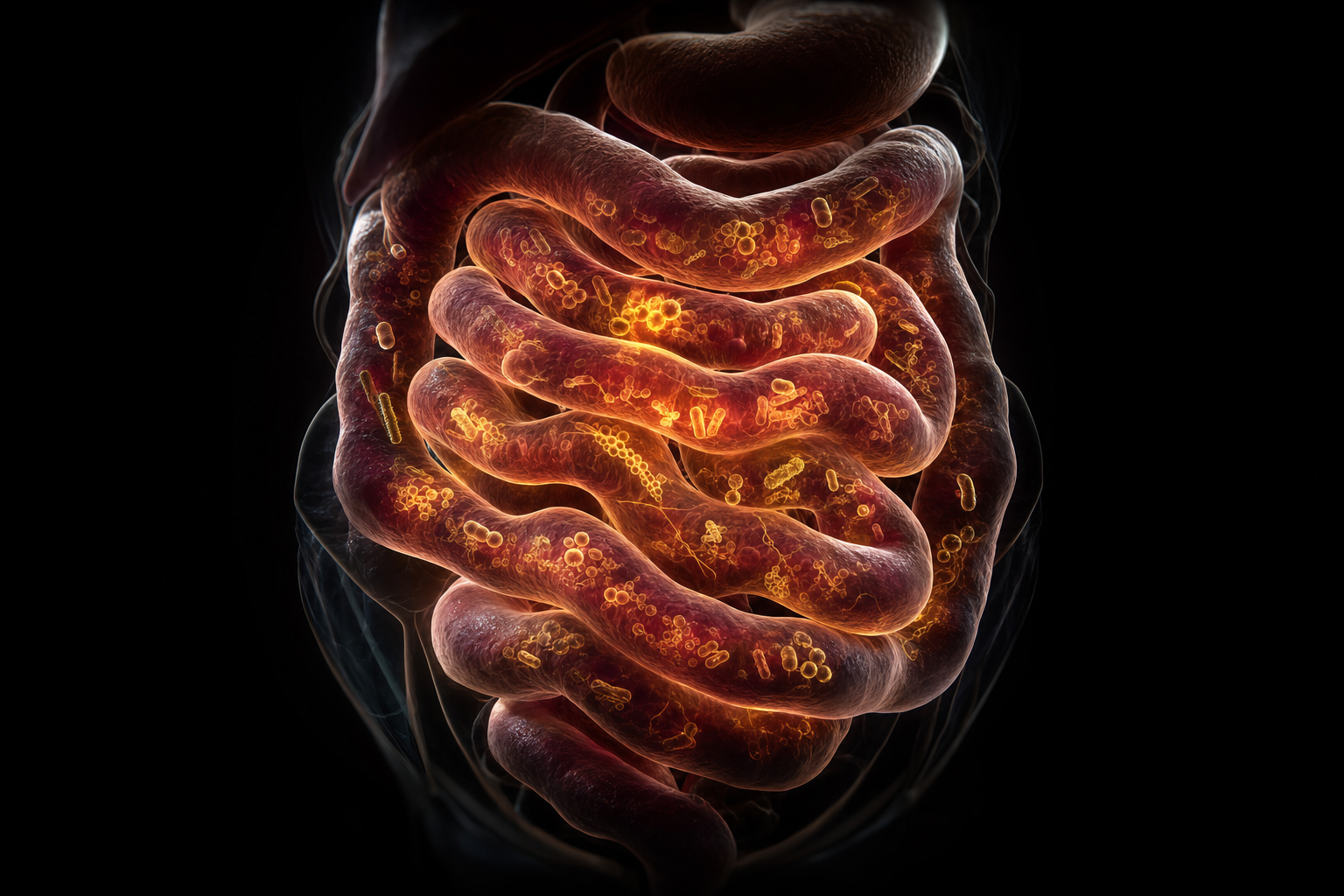
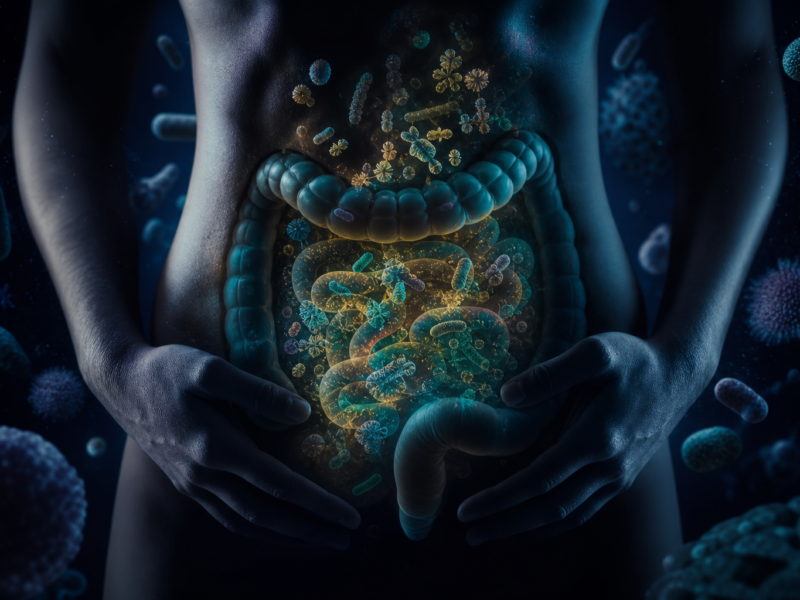
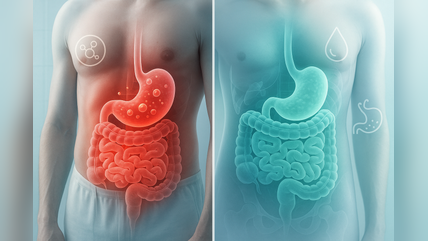
Small intestinal bacterial overgrowth (SIBO) is a condition where bacteria — which normally live in large numbers in the colon — grow excessively in the small intestine. The small intestine isn’t designed for large bacterial populations, so when they’re there, they ferment carbohydrates that should be absorbed further along the gut, producing gas and causing bloating, abdominal pain, diarrhoea, constipation, and nutrient malabsorption.
Treatment depends significantly on which type of SIBO you have, because different organisms produce different gases and respond to different antibiotics. Hydrogen-dominant SIBO (the most common) and methane-dominant SIBO (intestinal methanogen overgrowth, or IMO) are treated differently. Getting the type wrong means the treatment may fail — which is one reason SIBO has a reputation for being hard to treat.
Diagnosing SIBO: Breath Testing
The standard diagnostic test is a hydrogen and methane breath test, which measures the gases your gut bacteria produce after you consume a sugar solution (usually lactulose or glucose). High hydrogen levels suggest bacterial overgrowth producing hydrogen; high methane levels suggest methanogen overgrowth. Some people produce hydrogen sulphide, which requires a different test to detect.
Breath testing isn’t perfect — it has variable sensitivity and specificity depending on the protocol used — but it’s the most practical diagnostic tool available outside of direct small bowel aspiration (which is accurate but invasive and rarely done in clinical practice).
First-Line Treatment: Antibiotics
Hydrogen-Dominant SIBO: Rifaximin
Rifaximin is the first-line antibiotic for hydrogen-dominant SIBO and has the most consistent evidence base. It’s a non-absorbable antibiotic — it stays in the gut and acts locally rather than entering the bloodstream, which means it has minimal systemic side effects and doesn’t disrupt the broader body’s bacterial populations. Meta-analyses confirm it’s more effective than metronidazole for normalising breath tests in SIBO.
The typical course is rifaximin at 550mg three times daily for 10–14 days, though dosing varies by protocol and healthcare provider. Success rates for breath test normalisation vary across studies but are generally in the 50–70% range for hydrogen-predominant cases, which highlights why recurrence and retreatment are common.
Methane-Dominant SIBO (IMO): Rifaximin Plus Neomycin
Methanogens — the archaea that produce methane — are harder to treat than hydrogen-producing bacteria. They don’t respond as well to rifaximin alone. The most commonly used protocol for methane-dominant SIBO combines rifaximin (550mg three times daily) with neomycin (500mg twice daily) for 10–14 days. Neomycin targets the methanogens more effectively than rifaximin alone.
This combination is widely used in clinical practice based on the biological rationale and some controlled trial data, though more research is still needed.
What About Other Antibiotics?
Metronidazole is sometimes used but generally considered less effective than rifaximin for SIBO. Amoxicillin-clavulanate is occasionally used in specific clinical situations. Ciprofloxacin has historically been used but has fallen out of favour for SIBO due to systemic effects and broader spectrum activity. Rifaximin remains the preferred option where available.
Herbal Antimicrobials: An Alternative Worth Knowing About
Several herbal antimicrobial protocols are used in integrative medicine for SIBO, most commonly combinations of berberine, allicin (from garlic), oregano oil, and other botanicals. A small comparative study found herbal antimicrobials achieved similar breath test normalisation rates to rifaximin in some patients, and they’re used by practitioners who prefer to avoid antibiotics or when rifaximin is unavailable or unaffordable.
The evidence base is significantly smaller than for rifaximin and these approaches haven’t been validated in the same way in randomised controlled trials. They can be reasonable in motivated patients under practitioner guidance, but shouldn’t be considered equivalent to antibiotic treatment based on current evidence.
The Elemental Diet
An elemental diet — where all nutrition comes from pre-digested amino acids, simple sugars, and fats that are absorbed in the upper small intestine before bacteria can ferment them — can starve bacteria in the small bowel and effectively treat SIBO. Studies show 2–3 weeks of an elemental diet can normalise breath tests in a significant proportion of patients.
The practical problem is compliance. Elemental formulas taste terrible, cost a lot, and two to three weeks of liquid-only nutrition is difficult for most people to sustain in daily life. It’s most useful in cases where antibiotics have repeatedly failed or in patients who can’t tolerate them.
Diet During and After Treatment
Diet doesn’t cure SIBO — it manages symptoms and may support treatment outcomes. The low-FODMAP diet reduces fermentable carbohydrates that feed bacteria, which typically provides significant bloating and gas relief during treatment. It’s not a cure, but it can make the symptomatic period much more manageable.
The specific carbohydrate diet (SCD) and SIBO-specific food guide are also used and focus on avoiding complex carbohydrates that ferment in the gut. None of these dietary approaches has been proven to resolve SIBO on its own — they’re adjuncts to, not replacements for, antibiotic treatment.
After treatment, gradually reintroducing prebiotic foods and fibre helps restore the colon microbiome without overloading the small intestine. Going too fast with high-FODMAP foods immediately after treatment can cause symptoms to return quickly — even if the SIBO has been cleared.
Why SIBO Comes Back and How to Prevent It
Recurrence is the central challenge in SIBO management. Studies suggest relapse rates of 40–50% within a year after successful treatment. This is because SIBO is usually a symptom of an underlying problem, not a standalone condition. Without addressing the root cause, bacteria will repopulate.
The most common underlying causes of recurrent SIBO include:
- Impaired migrating motor complex (MMC) — the “housekeeping wave” that sweeps bacteria from the small intestine between meals. Anything that slows gut motility (hypothyroidism, diabetes, opioid medications, prior abdominal surgery) impairs the MMC and allows bacteria to accumulate.
- Low stomach acid — acid is a first-line defence against bacterial overgrowth in the upper GI tract. Long-term PPI use significantly reduces stomach acid and is linked to SIBO risk.
- Structural abnormalities — strictures, adhesions from surgery, or diverticula can create pockets where bacteria accumulate.
- Ileocecal valve dysfunction — the valve between the small and large intestine normally prevents backflow of colonic bacteria. Dysfunction can allow bacteria to migrate upward.
- Coeliac disease and Crohn’s disease — both increase SIBO risk and need to be managed alongside it.
Addressing the underlying cause — optimising thyroid function, reviewing PPI use with your doctor, treating motility disorders — is more important for preventing recurrence than the antibiotic protocol used.
Prokinetics: Supporting Gut Motility After Treatment
Prokinetics are medications or supplements that enhance gut motility — specifically the migrating motor complex — to help sweep bacteria out of the small intestine between meals. Low-dose naltrexone, prucalopride, erythromycin (at very low doses), and the herbal supplement iberogast are all used as prokinetics in SIBO management.
Using a prokinetic after antibiotic treatment is considered best practice by many SIBO specialists, particularly in patients who have relapsed before. The evidence base for this approach is building but not yet definitive.
Frequently Asked Questions
What is the best treatment for SIBO?
Rifaximin is the best-supported first-line treatment for hydrogen-dominant SIBO. For methane-dominant SIBO, rifaximin combined with neomycin is the standard approach. Diet alone doesn’t cure SIBO but manages symptoms effectively during and after treatment.
How long does SIBO treatment take?
A standard antibiotic course is 10–14 days. Symptom improvement can begin within days, but full resolution of symptoms may take several weeks as the gut heals and the microbiome restabilises. Some people need more than one course.
Can SIBO be cured permanently?
SIBO can be cleared, but recurrence is common — roughly 40–50% of people relapse within a year. Long-term remission requires identifying and addressing the underlying cause of bacterial overgrowth, whether that’s a motility problem, structural issue, or medication side effect.
What foods should I avoid with SIBO?
A low-FODMAP diet — reducing fermentable carbohydrates like fructans (onions, garlic, wheat), lactose, fructose, and sugar alcohols — is the most evidence-supported dietary approach for symptom management. This reduces the fuel available for bacteria without treating the underlying overgrowth.
Is rifaximin available without prescription?
No — rifaximin requires a prescription. It’s also expensive and not always covered by insurance or public health systems. If cost or access is a barrier, discuss alternatives with your doctor, including other antibiotic options or herbal protocols under practitioner supervision.
Can SIBO cause weight loss?
Yes, in some cases — particularly when SIBO causes malabsorption of fats, proteins, and fat-soluble vitamins. Unexplained weight loss alongside bloating and digestive symptoms warrants investigation, including for SIBO as a possible contributor.
The Bottom Line
SIBO treatment starts with identifying which type you have through breath testing, then treating with the appropriate antibiotic — rifaximin for hydrogen-dominant, rifaximin plus neomycin for methane-dominant. Diet helps manage symptoms but doesn’t replace antibiotic treatment. The key to preventing recurrence is finding and addressing the underlying reason bacteria are accumulating in the small intestine in the first place — without that step, retreatment is likely.

 Sarah Mitchell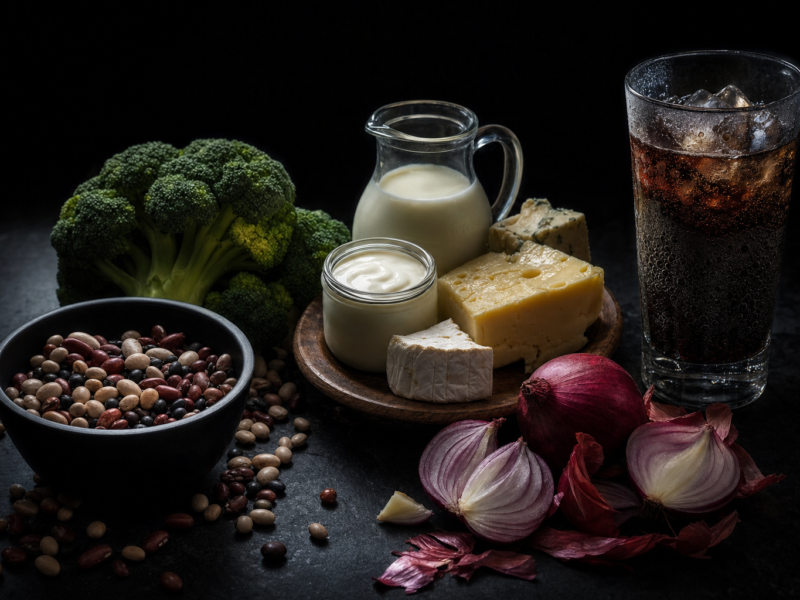
 Emma Thornton
 James Hargreaves
 Rachel Summers